25BalayageHairIdeasforWomenin2026
Table of Contents
Balayage hair remains one of the most requested colours in UK salons. It gives a sun-kissed, lived-in finish that grows out softly and suits almost every length and texture. If you want dimension without the harsh regrowth line of traditional highlights, balayage is the colour to ask for first.
This guide brings together 25 balayage hair ideas for women in 2026, grouped by shade and hair type. It also covers costs, upkeep, and salon colour versus DIY.
Key Takeaways
- Balayage is hand-painted colour that blends darker roots into lighter ends, with no harsh regrowth line.
- Blonde, caramel and bronde balayage suit the widest range of skin tones; ash suits cooler skin and copper suits warmer skin.
- A full balayage in the UK typically costs from around £90 to £250 and takes two to four hours.
- Balayage usually needs a refresh every 12 to 16 weeks, with a toner and purple shampoo in between.
- Salon balayage gives the most natural blend, especially on dark or previously coloured hair.
In This Article
- What Is Balayage?
- Balayage vs Highlights vs Ombre
- Blonde Balayage Ideas
- Brunette Balayage Ideas
- Caramel and Copper Balayage Ideas
- Ash and Cool-Toned Balayage Ideas
- Balayage for Short Hair and Bobs
- Balayage for Curly Hair
- Face-Framing Balayage Ideas
- Which Balayage Shade Suits You?
- UK Cost and Appointment Time
- Upkeep: Grow-Out, Purple Shampoo and Bond Care
- Salon vs DIY Balayage
- Frequently Asked Questions
What Is Balayage?
Balayage comes from the French word for sweeping, and that is exactly how it is applied. Your colourist paints lightener or colour freehand onto the surface of the hair, focusing on the mid-lengths and ends and leaving the roots darker, for a soft blend that mimics the way hair lightens in the sun.
Because the colour is painted rather than wrapped in foils, there is no stripey effect and no obvious line where the colour starts. The darkest part stays near the root, the lightest part sits at the ends, and the transition is deliberately diffused.
Balayage vs Highlights vs Ombre
Traditional highlights are applied in foils from root to tip, in even sections through the whole head. They give uniform, all-over lightness and a more noticeable regrowth line, so they usually need touching up every six to eight weeks.
Ombre is a two-tone look with a clear shift from dark roots to light ends. The change is more dramatic and more defined than balayage, with less blending through the mid-lengths, and it is less forgiving as it grows out.
Balayage sits between the two: softer than ombre and more natural than foils, with colour placed where the sun would hit it, around the face, through the top layers and at the ends. For more colour inspiration, browse our auburn hair colour ideas to see how warm tones can be blended in a similar soft way.
Blonde Balayage Ideas
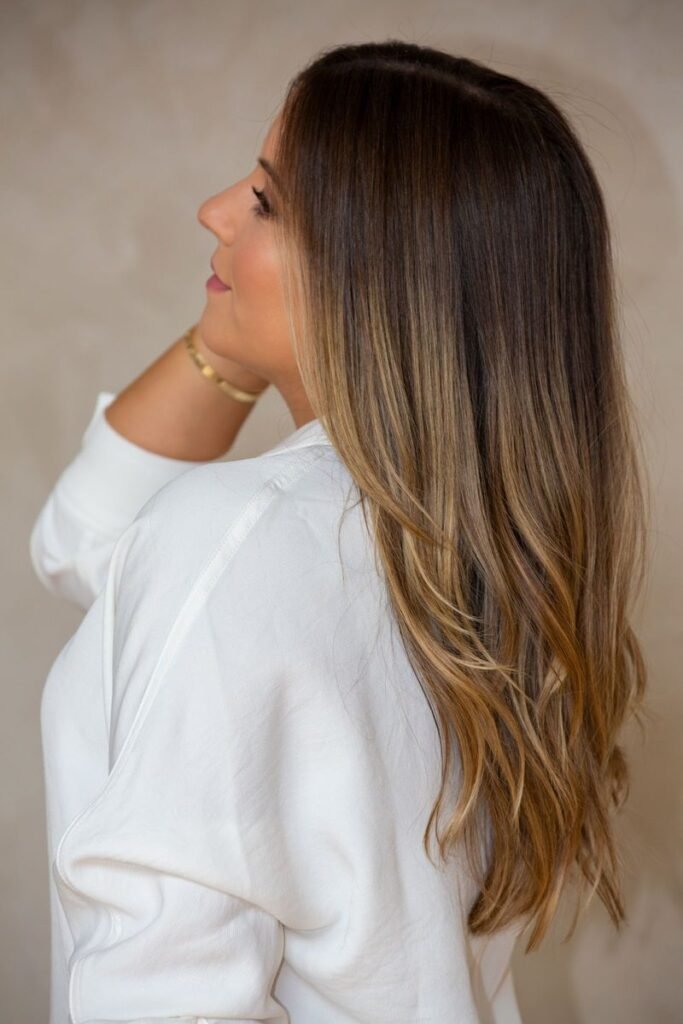
1. Classic Blonde Balayage
Dark blonde or light brown roots melt into honey blonde ends, with soft ribbons through the top layers. It suits most skin tones and is the easiest blonde balayage to maintain.
2. Golden Blonde Balayage
Warm, buttery blonde through the mid-lengths gives a sunny glow without looking brassy. It is a lovely choice for warm skin tones and medium blonde hair.
3. Platinum Blonde Balayage
Platinum pieces concentrated at the ends and around the face, kept soft at the root, give a brighter finish. It needs purple shampoo and regular toning, but the contrast is beautiful on fair to medium skin.
4. Bronde Balayage
Bronde blends brown and blonde, ideal if you want lightness without going fully blonde. Soft blonde ribbons over a light brown base give dimension and shine, and the grow-out is almost invisible.
5. Sandy Blonde Balayage
A muted, beige-blonde tone between golden and ash, sandy balayage looks natural in daylight. It suits neutral skin tones and pairs beautifully with loose waves and a centre parting.
Brunette Balayage Ideas
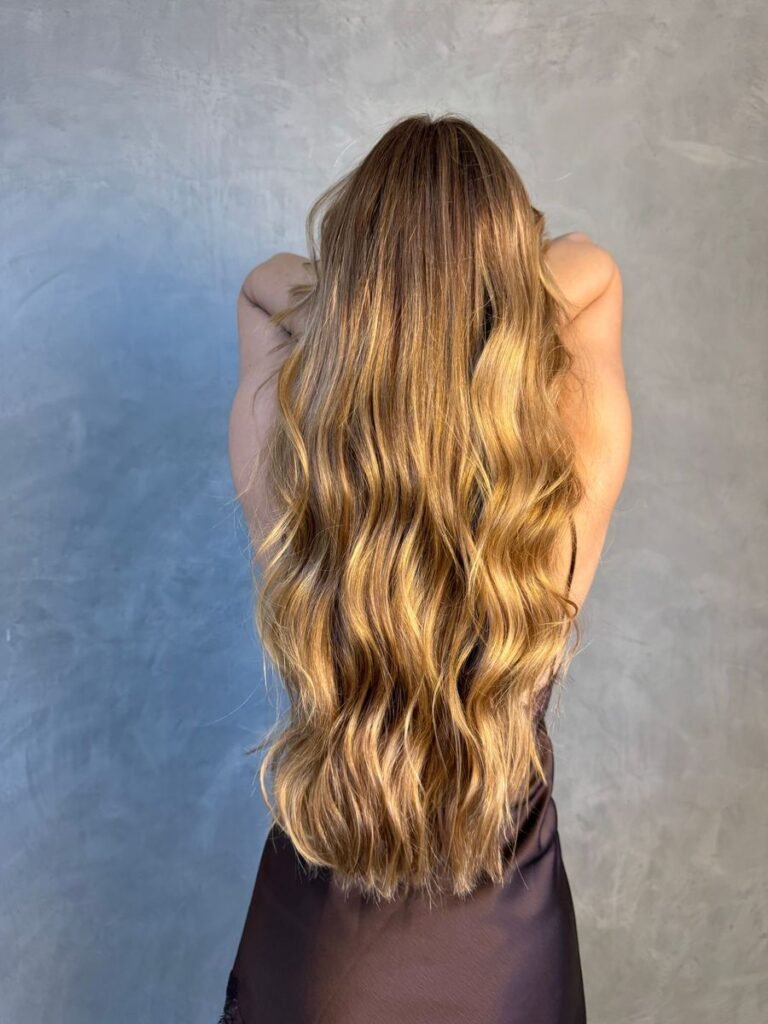
6. Chocolate Brunette Balayage
Rich chocolate roots blended into milk chocolate ends add warmth and movement to dark hair. It is subtle enough for work, yet gives flat brown hair instant depth and shine.
7. Espresso Balayage
Keep the base deep espresso and add just a touch of lighter brown through the ends. This low-contrast option is perfect for a first balayage and for very dark hair.
8. Mocha Balayage
Cool mocha tones lift dark brown hair without warmth or brassiness. Ask for a cool-toned gloss after lightening to keep the result smooth, especially if your hair tends to turn orange.
9. Brunette Balayage with Honey Ribbons
Thin honey ribbons woven through dark brown hair catch the light as you move. Place them mainly around the face and through the top layer to frame your features.
10. Dark Brown to Light Brown Balayage
A gentle two-shade lift from dark brown to light brown is one of the most natural-looking balayage ideas. It adds shape to long hair, defines layers, and needs very little upkeep.
Caramel and Copper Balayage Ideas
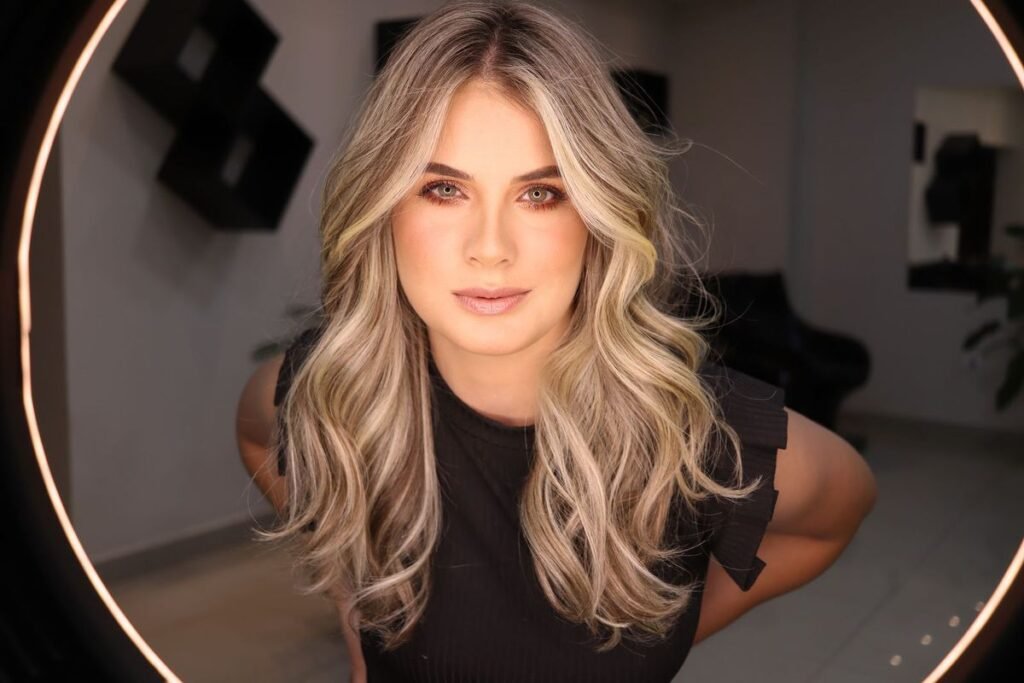
11. Caramel Balayage
Caramel is the warm, golden-brown shade that suits almost everyone. Painted over a brunette base, it gives a rich, glossy finish that looks especially good in autumn and winter light.
12. Toffee Balayage
Toffee is slightly deeper and richer than caramel, with a warm amber glow. It works well on medium brown hair and on warm or olive skin tones.
13. Copper Balayage
Copper brings a vibrant, autumnal warmth to brown and dark blonde hair. Soft copper ribbons through the ends add glow to the complexion and pair well with a deep lip colour.
14. Auburn Balayage
Auburn balayage blends deep red-brown with copper ends for a rich, dimensional result. It suits fair skin with warm undertones and green or hazel eyes, and looks striking on long, wavy hair.
15. Rose Gold Balayage
A soft rose gold wash over blonde or light brown balayage gives a pretty, modern finish. It is a fashion shade, so expect it to fade faster than natural tones.
Related: if you love warm, dimensional colour, see our auburn hair colour ideas for more red and copper inspiration.
Ash and Cool-Toned Balayage Ideas
16. Ash Blonde Balayage
Ash blonde balayage uses cool, smoky blonde tones over a dark blonde or light brown base. It suits cool skin tones, but needs purple shampoo and regular toning to stay ash rather than yellow.
17. Ash Brown Balayage
For brunettes who want cool dimension without going blonde, ash brown is the answer. Soft taupe and mushroom tones lift dark hair subtly and look very polished on straight hair.
18. Silver Balayage
Silver and icy blonde pieces painted through the ends give a cool, editorial finish. This works best on naturally light hair or hair that has already been lightened.
Balayage for Short Hair and Bobs
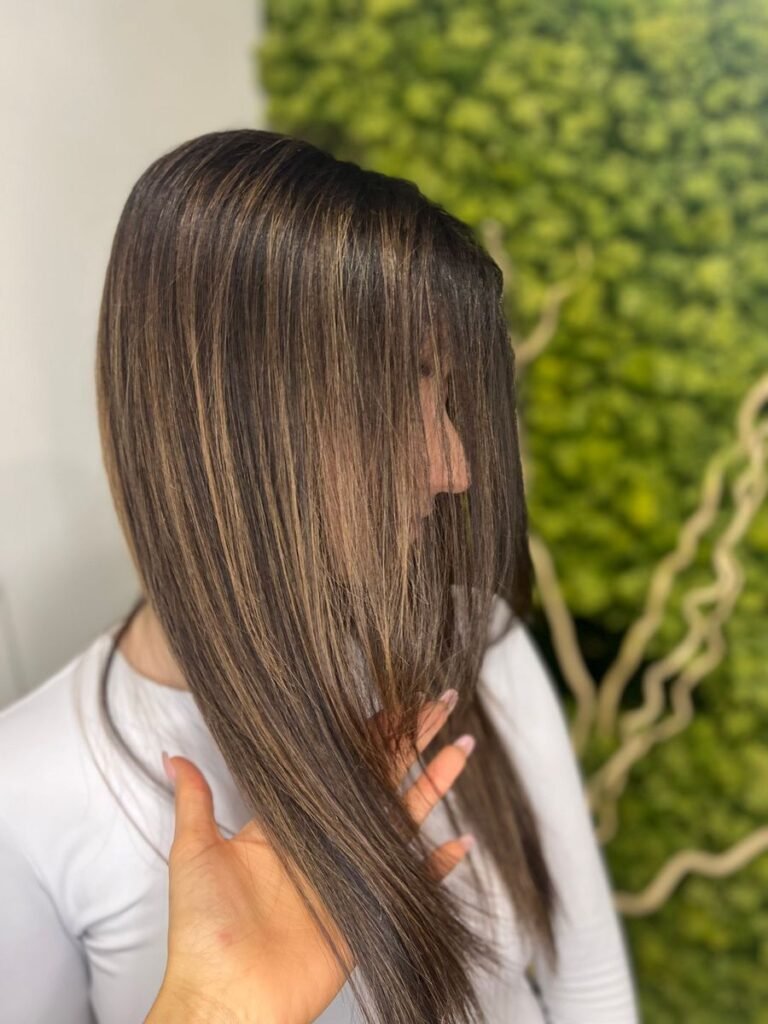
19. Balayage Bob
A chin-length bob with balayage looks fuller and more textured than a solid colour. Keep the lightest pieces at the ends and around the face, and add soft waves to show off the dimension. See our short hairstyles for women for bob lengths and styling ideas that pair well with this colour.
20. Blunt Bob with Balayage
On a blunt bob, balayage adds movement without losing the sharp edge of the cut. Ask for a subtle blend with just a shade of lift at the ends.
21. Balayage Lob
The long bob, or lob, is one of the best lengths for balayage because there is enough length to show the gradient. A lob with blonde or caramel balayage and loose waves is a classic, low-maintenance look for 2026.
Balayage for Curly Hair
22. Curly Hair Balayage
On curly hair, balayage should be painted onto individual curls so the lightness follows the natural curl pattern. The result is dimension that moves with the curls, rather than stripes that disappear when the hair springs up.
23. Balayage for Wavy Hair
Soft waves show balayage at its best, because each wave catches a different tone. Caramel and honey ribbons through wavy hair give a beachy, sun-kissed finish that needs very little styling.
Face-Framing Balayage Ideas
24. Face-Framing Balayage
Also called a money piece, this places the lightest colour in the front sections around the face. It brightens the complexion instantly and makes eyes stand out. Pair it with curtain bangs styling ideas to frame the face even more softly.
25. Balayage with Curtain Bangs and Layers
Combine face-framing balayage with long layers and curtain bangs for a soft, 1970s-inspired finish. The lightness around the face blends into the layers, giving movement and a flattering frame. For a bolder layered cut, look at our wolf cut hairstyles for inspiration on texture and shape.
Which Balayage Shade Suits You?
The best shade depends on your skin tone and natural base colour. Fair skin with cool undertones usually suits ash blonde, ash brown, platinum and silver balayage. Fair skin with warm undertones suits golden blonde, honey, caramel and copper. Medium skin suits almost every shade, but bronde, caramel and toffee are particularly flattering. Olive skin looks beautiful with caramel, toffee, copper and golden blonde, while deep skin tones glow with caramel, honey, copper and rich chocolate balayage.
Your base colour matters too: dark brown and black hair lifts most naturally to caramel, chocolate and copper, while light brown and dark blonde hair lifts easily to blonde, bronde and honey. For a broader look at blonde and brunette shades, the balayage hair colour ideas from The Hairstyle Edit show how the same technique can be adapted to different base colours.
UK Cost and Appointment Time
A partial balayage, usually focused on the face-framing sections and top layers, typically costs from around £70 to £150. A full-head balayage typically costs from around £90 to £250, with longer or thicker hair at the higher end.
Toner, cut and blow-dry may be extra, so ask for the full price at booking. Allow two to four hours for a full balayage, including consultation, application, processing, toning and styling. A partial balayage usually takes one and a half to two and a half hours.
Expect a patch test at least 48 hours before your first appointment at a new salon.
Upkeep: Grow-Out, Purple Shampoo and Bond Care
Balayage grows out gracefully because the roots stay dark, with no harsh line, and most women can wait 12 to 16 weeks between full appointments. A toner refresh every six to eight weeks can keep the shade fresh in between, especially for blonde and ash tones.
Use a purple shampoo once a week if your balayage is blonde, ash or silver, to neutralise yellow tones. Our guide to purple shampoo explains how often to use it and how to avoid over-toning. A purple shampoo from Boots or Superdrug is an easy, affordable starting point. Bond care matters after lightening too: a weekly treatment such as Olaplex No.3 helps to repair lightened hair, and a colour-safe shampoo such as Redken Color Extend Magnetics can help the tone last longer.
Salon vs DIY Balayage
Salon balayage gives the most natural, even result, especially on dark hair, previously coloured hair, or hair that needs a big lift. A colourist can judge how your hair will lift, place the colour to suit your face shape and cut, and tone it correctly afterwards.
DIY kits can work for a subtle change on light to medium brown hair, particularly if you only want a shade or two of lift around the face and ends. Choose a kit designed for balayage, follow the timing exactly, and do a strand test first. Avoid DIY lightening if your hair is very dark, damaged, or has been coloured with henna or box dye, as the result can be uneven or brassy. For more shade examples, browse the balayage hair colours from The Right Hairstyles to compare blonde, brunette and copper options side by side.
Frequently Asked Questions
How much does balayage cost in the UK?
A partial balayage typically costs from around £70 to £150, and a full-head balayage typically costs from around £90 to £250. Prices depend on hair length, thickness, salon location and the colourist’s experience.
How long does a balayage appointment take?
Allow two to four hours for a full balayage, including consultation, application, processing, toning and styling. A partial balayage usually takes one and a half to two and a half hours.
Does balayage suit short hair?
Yes. Balayage suits bobs, lobs and pixie cuts, as long as the colour is placed carefully. Keep the lightest pieces at the ends and around the face, and ask for a soft blend rather than high contrast.
How often do I need to refresh balayage?
Most women refresh a full balayage every 12 to 16 weeks. A toner refresh every six to eight weeks can keep blonde, ash and copper shades fresh, and purple shampoo once a week helps to prevent brassiness.
Is balayage better than highlights?
Balayage is better if you want a soft, natural, low-maintenance result with no harsh regrowth line. Highlights are better if you want uniform, all-over lightness from root to tip.
Can I get balayage on dark brown or black hair?
Yes, but expect a warmer result such as caramel, chocolate or copper unless your hair is lightened in stages. Very dark hair may need two sessions to reach a light blonde safely.
Does balayage damage hair?
Balayage uses lightener, so it can dry the hair if it is not cared for afterwards. A bond treatment such as Olaplex No.3 and a colour-safe shampoo will help to keep it strong.
Can I do balayage at home?
You can try a DIY kit for a subtle lift on light to medium brown hair, but salon colour gives a more natural blend, especially on dark or previously coloured hair. For a big change or a light blonde result, book a salon appointment.
Written by the Business Outstanders editorial team. We research current hair colour trends and UK salon guidance to create practical, easy-to-follow beauty guides for our readers.