PurpleShampooGuide:HowtoUseItforBlondeHairin2026
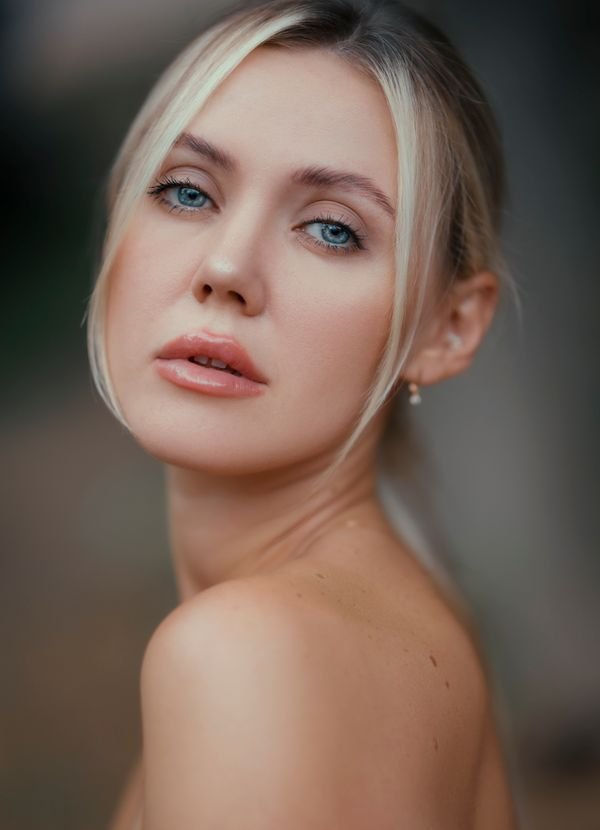
Table of Contents
Few hair products cause as much confusion as purple shampoo. It looks alarming in the bottle, stains towels and shower grout if you are not careful, and yet is the one product almost every blonde swears by. Used correctly, it is a simple, inexpensive way to keep blonde, balayage and grey hair looking cool and salon-fresh between appointments. Used incorrectly, it can leave hair dull, dry or faintly lilac.
This guide explains exactly what purple shampoo does, how to use it step by step, how often to reach for it, and how the routine changes for blondes, brunettes with highlights, balayage and grey hair — plus the most common mistakes, realistic price ranges, and a weekly care routine that protects your colour.
Key Takeaways
- Purple shampoo works through colour theory: violet pigment neutralises yellow and brassy tones in lightened hair.
- Use it once or twice a week in place of your regular shampoo, not as an extra wash, leaving it on for 2–5 minutes.
- Apply it only to the lightened sections of your hair; brunettes with balayage should keep it off their natural dark lengths.
- Overuse is the biggest mistake — too much purple shampoo can leave hair dull, dry or with a grey-lilac cast.
- Always follow with conditioner or a hydrating mask, because toning shampoos can be drying on bleached hair.
In This Article
- What Is Purple Shampoo?
- How Does Purple Shampoo Work?
- How to Use Purple Shampoo: Step by Step
- How Often Should You Use Purple Shampoo?
- Purple Shampoo for Blonde Hair
- Purple Shampoo for Brunettes, Balayage and Grey Hair
- Mistakes to Avoid with Purple Shampoo
- Choosing a Purple Shampoo: Types and Price Ranges
- Your Weekly Purple Shampoo Care Routine
- Frequently Asked Questions
What Is Purple Shampoo?
Purple shampoo is a toning shampoo made with violet pigments. Unlike a regular shampoo, whose main job is to cleanse, it deposits a small amount of purple pigment onto the hair shaft while you wash. That pigment cancels out unwanted warm tones, leaving blonde, silver and grey hair cooler and brighter.
It is also widely known as silver shampoo; the two names describe the same product. A purple shampoo is not a hair dye, and it will not lighten your hair or change your base colour. It only adjusts the tone of hair that is already light — which is why it works on blonde, bleached, highlighted and grey hair, but does very little on untouched dark hair.
Most purple shampoos are sold at Boots and Superdrug, and at online beauty retailers such as Lookfantastic. You will find everything from budget high-street bottles to salon-strength formulas, differing mainly in pigment intensity, conditioning ingredients and price. A deeply pigmented formula tones more strongly but carries a higher over-toning risk, so beginners are better off starting gentler.
How Does Purple Shampoo Work?
The science is straightforward colour theory. Purple sits directly opposite yellow on the colour wheel, so the two colours neutralise each other. When blonde hair turns brassy, warm yellow and gold undertones are showing through as toner fades, or sun, hard water, heat styling and pollution have added warm deposits. A wash with purple shampoo lays a sheer veil of violet pigment over those yellow tones, and the result reads as a cooler, ashier blonde.
Timing controls the result. A quick lather and rinse gives a subtle refresh, while leaving the shampoo on for several minutes deposits more pigment and a stronger cooling effect. Porous hair — bleached more than once, or dry and damaged — absorbs pigment faster, so it tones more quickly and can pick up a lilac tinge if left on too long. Healthy, less porous hair needs a little more time.
How to Use Purple Shampoo: Step by Step
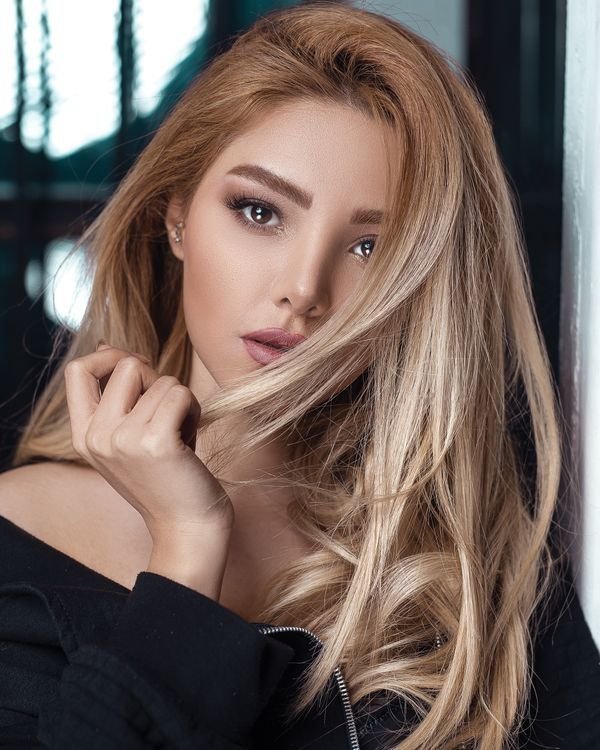
Using purple shampoo is simple once you know the order of steps. Always read the instructions on your own bottle first, because pigment strength varies between brands.
1. Wet your hair thoroughly
Start with fully wet hair, as you would for a normal wash. Warm water helps the cuticle open slightly so pigment distributes evenly. If your hair is thick or long, section it loosely to reach the underneath layers, where brassiness often hides.
2. Apply evenly, roots first if needed
Use a coin-sized amount for short hair, or a little more for long hair, and work it through from roots to ends. If your roots look more yellow than your ends, apply there first and give them a minute or two head start. For balayage or ombre hair, apply only to the lightened sections.
3. Leave it on for 2–5 minutes
For a gentle refresh, 1–2 minutes is enough; for noticeable brassiness, 3–5 minutes. Set a timer rather than guessing — an extra five minutes can be the difference between cool blonde and a grey cast. Very brassy hair may tolerate up to 10 minutes, but only with a formula you already know, never on a first use.
4. Rinse thoroughly and condition
Rinse with lukewarm or cool water until the water runs clear, then follow with conditioner or a mask. This step matters, because purple shampoos can be drying and lightened hair needs moisture to stay soft. If your hair feels dry after toning, use a deep mask on purple shampoo days.
5. Dry and check the tone in daylight
Check the result in natural light once your hair is dry, because wet hair always looks darker and cooler than it really is. If the tone is still warm, repeat the process at your next wash or leave the shampoo on a minute longer next time. If it looks slightly lilac, do not panic — one or two washes with a regular shampoo will usually soften it.
How Often Should You Use Purple Shampoo?
Most people do best with purple shampoo once a week, or twice a week if their blonde turns brassy quickly. Start with once a week, alternating with a colour-protecting or hydrating shampoo on your other wash days.
Daily use is rarely a good idea. Used every wash, purple shampoo can build up pigment until blonde looks dull or greyish, and some formulas can dry out lightened hair. If your blonde still looks warm after a week of once-weekly use, increase to twice a week before increasing the leave-on time. If hair starts to look ashy or violet, drop back to once a fortnight.
Season and lifestyle change the equation too. Summer sun, swimming pools and hard water all push blonde warmer faster, so you may need purple shampoo more often in July and August than in winter. If you wash your hair daily, choose a gentler formula and keep the leave-on time short.
Purple Shampoo for Blonde Hair
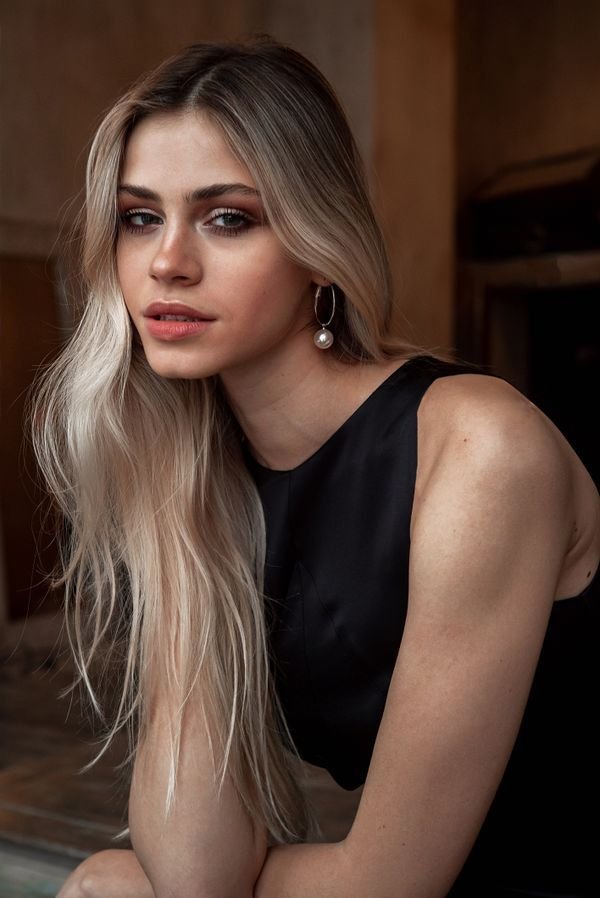
Blonde hair is where purple shampoo earns its reputation. Whether your blonde is natural, highlighted, bleached or platinum, warm tones creep in as toner fades — usually first around the crown and face-framing pieces, which get the most sun and heat exposure. A weekly wash keeps those sections in line with the rest of your colour.
Platinum and very light blondes should use a lighter hand than golden blondes. On near-white hair, even a minute or two of a strong formula can shift the tone dramatically, so start short and check the result before going longer. Golden or honey blondes can usually leave it on for the full 3–5 minutes and may need twice-weekly use. If you are deciding between blonde shades, our guide to stone blonde hair colour explains one of the coolest, most low-maintenance options for 2026.
Extensions need the same care as your own hair, but with extra caution. Blonde human hair extensions turn yellow faster than natural hair and absorb pigment quickly, so tone them separately with a short leave-on time. Synthetic extensions should not be treated with purple shampoo unless the manufacturer says otherwise. For seasonal styling once your colour is sorted, winter hairstyles offer plenty of ways to show off a freshly toned blonde.
Purple Shampoo for Brunettes, Balayage and Grey Hair
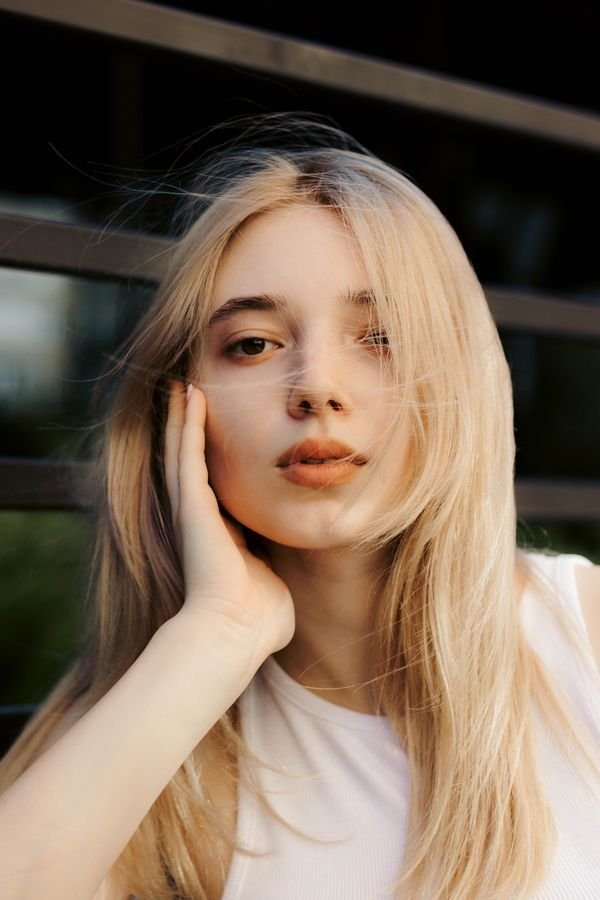
Brunettes often assume purple shampoo is not for them, but it can be useful — with one limit. On untouched dark brown hair it will do almost nothing, because there is no light base for the violet pigment to show on. Where it helps is on lighter pieces: highlights, balayage and face-framing sections that have turned warm or golden. Apply only to those sections, never to your natural dark lengths.
Balayage is the classic case. The hand-painted lighter ends fade warmer over time, while the darker roots stay cool. A purple shampoo wash every week or two on the ends only brings the balayage back into balance without touching the base colour. If you are considering a warmer brunette base with cooler ends, our guide to espresso brunette hair colour is a good starting point, while smoky brunette hair colour shows how cool tones work on darker hair.
Grey and silver hair benefits just as much as blonde. Natural grey and white hair picks up yellow tones from sun, smoke, hard water and styling products, and purple shampoo is one of the simplest ways to keep it bright and silver rather than yellowed. Grey hair is often coarser and more porous, so start with a short leave-on time and a hydrating conditioner, and tone once a week or once a fortnight.
Related: copper hair colour ideas — if warm tones are what you actually want, a copper shade may suit you better than fighting brassiness.
Mistakes to Avoid with Purple Shampoo
The most common mistake is using purple shampoo every day. It is tempting when you love the freshly toned result, but daily use builds up pigment and dries out lightened hair, and the dull, greyish finish is harder to fix than the original brassiness. Stick to once or twice a week.
The second mistake is leaving it on far too long on a first use. Every formula is different and hair porosity varies, so a 10-minute soak that works for one person can leave another with lilac hair. Always start short with a new product — 2–3 minutes — and only extend the time once you know how your hair responds.
Other mistakes are easy to avoid. Do not apply purple shampoo to dry hair unless the bottle instructs it, because dry hair absorbs pigment unevenly and can end up patchy. Do not skip conditioner afterwards, and wear an old towel, because the pigment stains fabric and grout. If deep, rich colour is more your style than cool blonde, deep plum hair colour shows how violet tones can be worn as a full colour rather than just a toner.
Choosing a Purple Shampoo: Types and Price Ranges
Purple shampoos fall into three broad groups, and the best choice depends on your hair type and budget rather than price alone. High-street formulas, widely available at Boots and Superdrug, typically cost around £5–£10 and suit most blondes for weekly maintenance. They tend to be gentler, which makes them forgiving for beginners, though very brassy hair may need a longer leave-on time.
Mid-range formulas, roughly £10–£20 from retailers such as Lookfantastic, offer stronger pigment and better conditioning ingredients — a good step up if your blonde turns brassy quickly. Salon ranges, typically £20–£35, are the most concentrated and often pair with a matching purple mask. They suit platinum, silver and heavily bleached hair, but demand careful timing.
Beyond shampoo, there are purple conditioners, masks and toning drops. A purple mask, usually £15–£30, tones and conditions in one step and suits dry or damaged blonde hair. Whatever you choose, look for sulphate-free formulas if your hair is colour-treated, and favour hydrating ingredients such as glycerin or panthenol. Beauty editors at Vogue regularly cover hair colour trends, including which blonde tones are currently in demand.
Your Weekly Purple Shampoo Care Routine
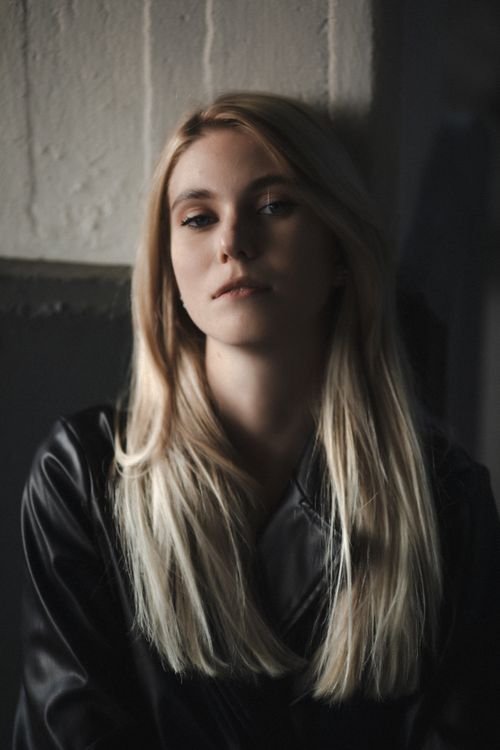
A simple weekly routine keeps blonde, balayage and grey hair in its best condition without over-toning. On your purple shampoo day, wash with the toning shampoo, leave it on for 2–5 minutes, rinse, and follow with a hydrating mask rather than a light conditioner. Let the mask sit for 3–5 minutes, then rinse with cool water to seal the cuticle and boost shine.
On your other wash days, use a gentle, colour-safe shampoo and conditioner, and keep heat styling to a minimum. Always use a heat protectant before straighteners or curling tools, because heat accelerates fading and brassiness. A weekly deep-conditioning mask and a UV-protecting spray in summer help your colour last longer, so you need purple shampoo less often.
Frequently Asked Questions
How often should I use purple shampoo?
Once a week suits most people, rising to twice a week if your blonde turns brassy quickly. Use it in place of your regular shampoo, not as an extra wash. If hair looks dull or greyish, cut back to once a fortnight.
How long should I leave purple shampoo on?
For a subtle refresh, 1–2 minutes is enough. For noticeable brassiness, 3–5 minutes. Very brassy or platinum hair may tolerate up to 10 minutes, but only with a formula you already know. Start short on a first use and check the result in daylight once dry.
Can brunettes use purple shampoo?
Yes, but only on lightened sections such as highlights or balayage. It does very little on untouched dark hair and will not fix orange tones — that needs a blue shampoo. Apply it to the lighter pieces only.
Does purple shampoo damage hair?
It does not damage hair by itself, but some formulas can be drying, especially on bleached hair. Always follow with conditioner or a mask, limit use to once or twice a week, and choose a hydrating or sulphate-free formula if your hair feels dry.
How much does purple shampoo cost in the UK?
High-street bottles at Boots and Superdrug cost around £5–£10. Mid-range formulas cost roughly £10–£20, salon ranges around £20–£35, and purple masks usually £15–£30.
Will purple shampoo turn my hair purple?
It can, if overused or left on too long, particularly on platinum, grey or very porous hair. The lilac cast is usually temporary and fades after one or two washes with a regular shampoo.
Can I use purple shampoo on grey or silver hair?
Yes. Grey and silver hair picks up yellow tones from sun, hard water and styling products, and purple shampoo keeps it bright rather than yellowed. Use it once a week or once a fortnight with a hydrating conditioner.
Should I use purple shampoo or blue shampoo?
Choose purple shampoo for yellow and gold brassiness in blonde, silver and grey hair. Choose blue shampoo for orange brassiness in medium brown or dark blonde hair. In natural light, yellow means purple and orange means blue.
Business Outstanders is a UK fashion and lifestyle publication. Our editorial team researches current trends, high-street collections and seasonal hair care to create practical beauty guides for women in the UK, US and Canada. Every guide is written in-house and updated to reflect the latest styles and products.