25WolfCutHairstylesforWomentoTryin2026

Table of Contents
The wolf cut is the haircut that refuses to sit still. Part shag, part mullet, it pairs short, choppy layers at the crown with longer lengths through the back, giving you volume on top and movement at the ends. It first went viral on TikTok and Instagram, worn by celebrities including Miley Cyrus and Billie Eilish, but the 2026 version is softer and more wearable than the early, extreme takes.
What makes wolf cut hairstyles so popular is that the cut does much of the styling for you. The layers create shape even when you air-dry, the face-framing pieces flatter most face shapes, and the style grows out gracefully. Whether your hair is curly, wavy, straight, fine or thick, there is a variation below to suit it, plus styling steps, maintenance advice and answers to the questions women ask most before booking the chop.
Key Takeaways
- A wolf cut combines shag-style layers with a mullet-inspired shape: volume at the crown, tapered, textured ends and face-framing pieces.
- It suits most hair types, but layering must be adapted — shorter, choppier layers for thick hair, longer and softer layers for fine hair.
- Daily styling takes 5–15 minutes: texturising spray or mousse, scrunching or a quick blow-dry, and finger-combing rather than brushing.
- Expect a salon cut to cost roughly £40–£90 in the UK, with a trim every 6–8 weeks to keep the shape.
- Bring reference photos and agree on the fringe length and shortest layer before any cutting begins.
In This Article
- Classic Wolf Cut Hairstyles
- Wolf Cut Hairstyles by Hair Texture
- Wolf Cut Hairstyles by Length
- Wolf Cut Hairstyles with Colour
- Wolf Cut Hairstyles for Occasions and Ages
- How to Style and Maintain a Wolf Cut
- Wolf Cut Mistakes to Avoid
- Frequently Asked Questions
Classic Wolf Cut Hairstyles
1. The Classic Shaggy Wolf Cut
The original and still the best starting point. Short, piecey layers through the crown blend into longer, flicked-out ends, with a feathered fringe opening up the face. Ask for disconnected layers and texturised ends, and style with a salt spray such as Bumble and bumble Surf Spray, scrunched into damp hair.
2. The Soft Wolf Cut with Curtain Bangs
If the full rock-chick version feels too much, this softer take is the answer. Curtain bangs part in the middle and sweep to each side, framing the cheekbones, while the layers stay long and blended — the most flattering option for round and square faces. For more fringe styling ideas, see this guide to curtain bangs.
3. The Wolf Cut with Wispy Bangs
Wispy, see-through bangs keep the fringe light and pretty, softening the choppy layers behind them. This suits women who want the wolf cut’s edge without a heavy fringe, and it grows out beautifully between appointments.
4. The Wolf Cut with a Blunt Fringe
A straight, full fringe against choppy layers creates a striking contrast — polished at the front, wild at the back. Keep the fringe just above the brows and straighten only the fringe, leaving layers textured.
5. The Wolf Cut with a Micro Fringe
For the boldest take, pair a short micro fringe with a heavily layered wolf cut. It draws attention to the eyes and cheekbones and looks fantastic with a strong brow and minimal make-up — but it needs trimming every three to four weeks.

Wolf Cut Hairstyles by Hair Texture
6. The Curly Wolf Cut
Curly hair and wolf cuts are a natural match: the layers remove weight and let curls spring up instead of dragging down. The key is cutting curl by curl when dry, so the stylist sees exactly where each curl will sit. Use a curl cream such as Kérastase Curl Manifesto Crème and diffuse on low heat.
7. The Wavy Wolf Cut
Wavy hair needs the least styling of all with a wolf cut: the layers enhance the natural wave, and a quick scrunch with mousse is often enough. Try a pea-sized amount of Moroccanoil Curl Defining Cream through the mid-lengths, then air-dry or diffuse.
8. The Straight Hair Wolf Cut
On straight hair, the wolf cut relies on the layering itself for movement, so cutting technique matters most. Ask for point-cut ends and internal texture, then flick the ends outwards with straighteners. A light texturising spray, such as Oribe Dry Texturizing Spray, stops layers falling flat.
9. The Thick Hair Wolf Cut
Thick hair benefits enormously from a wolf cut: the short crown layers remove bulk while the longer lengths keep the style feeling full. Ask your stylist to thin the interior with texturising shears rather than cutting the overall length short, and use a lightweight leave-in conditioner to keep ends smooth.
10. The Fine Hair Wolf Cut
Fine hair needs a gentler approach: longer, softer layers that create the illusion of volume without removing too much weight. A root-lifting mousse, such as Living Proof Full Thickening Mousse, blown dry with the head tipped upside down, gives the crown its lift. Avoid heavy oils that flatten fine layers.
Wolf Cut Hairstyles by Length
11. The Short Wolf Cut
A jaw-to-neck-length wolf cut is punchy and modern. The crown stays short and full, the nape is tapered, and the fringe can be long or short depending on your face. This length is low-maintenance and perfect for fine hair that needs volume. If you are deciding between a wolf cut and a shorter hybrid, this guide to the bixie cut is a useful comparison.
12. The Medium-Length Wolf Cut
Shoulder-length is the sweet spot for most women: enough length to tie back, enough layering for movement, and the easiest length to style. The layers start around the cheekbones and fall to the shoulders, with the back left a little longer.
13. The Long Wolf Cut
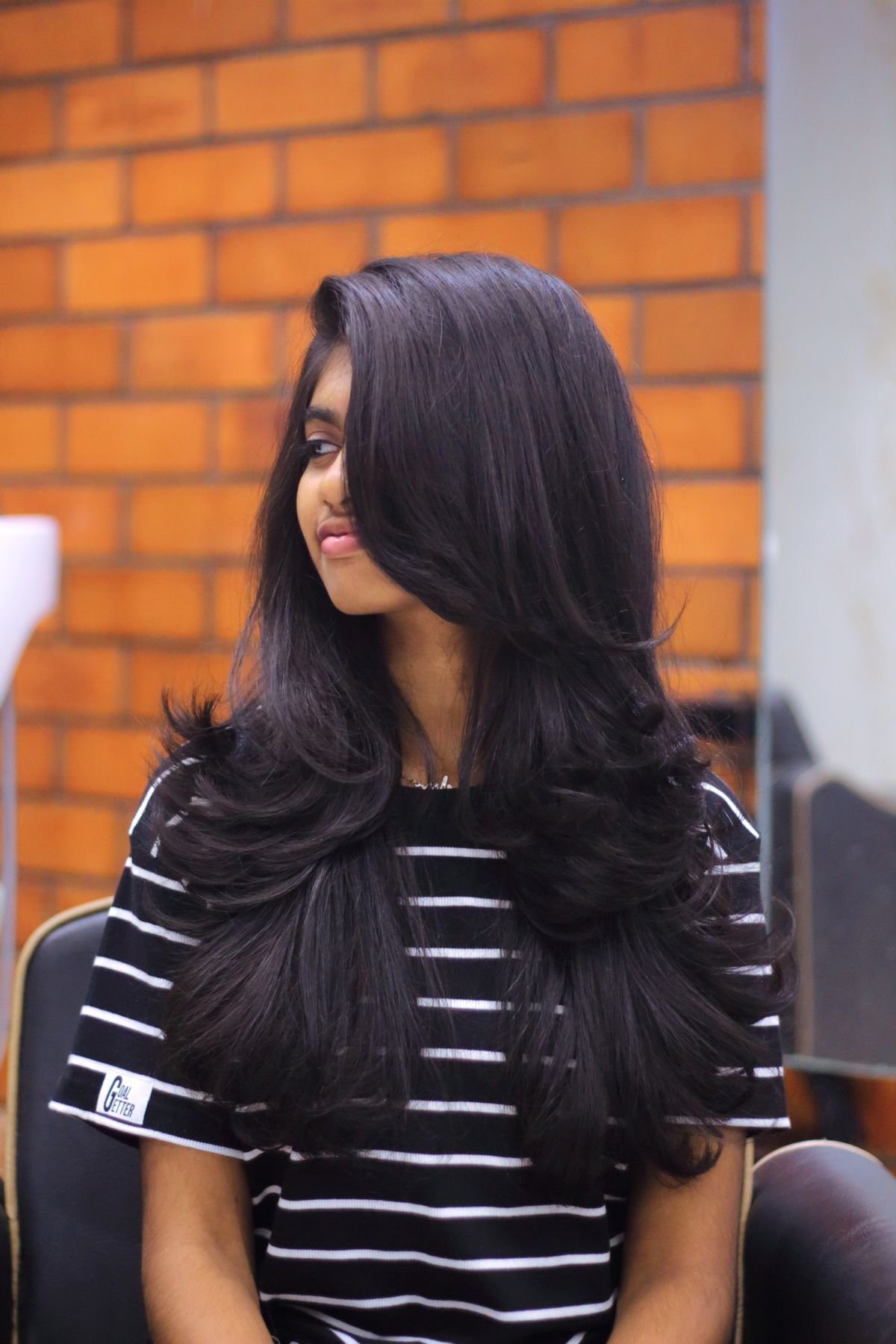
Long hair keeps its length through the back while the top layers create shape — so you get the wolf cut silhouette without sacrificing your lengths. Ask for face-framing layers from the cheekbones down, and keep the very ends lightly texturised rather than thinned out completely.
14. The Wolf Cut with an Undercut
An undercut nape, hidden under longer layers, removes bulk and adds a secret edge. It is ideal for very thick hair and for summer, when the nape stays cool. Wear the top layers down to hide it, or clip them up to reveal it.

Wolf Cut Hairstyles with Colour
15. The Espresso Brunette Wolf Cut
Deep, glossy espresso brown gives a wolf cut a polished, expensive feel and makes the layers look intentional rather than messy. It is the lowest-maintenance colour option for dark hair — roots blend easily. For more brunette colour ideas, see espresso brunette hair colour.
16. The Copper Wolf Cut
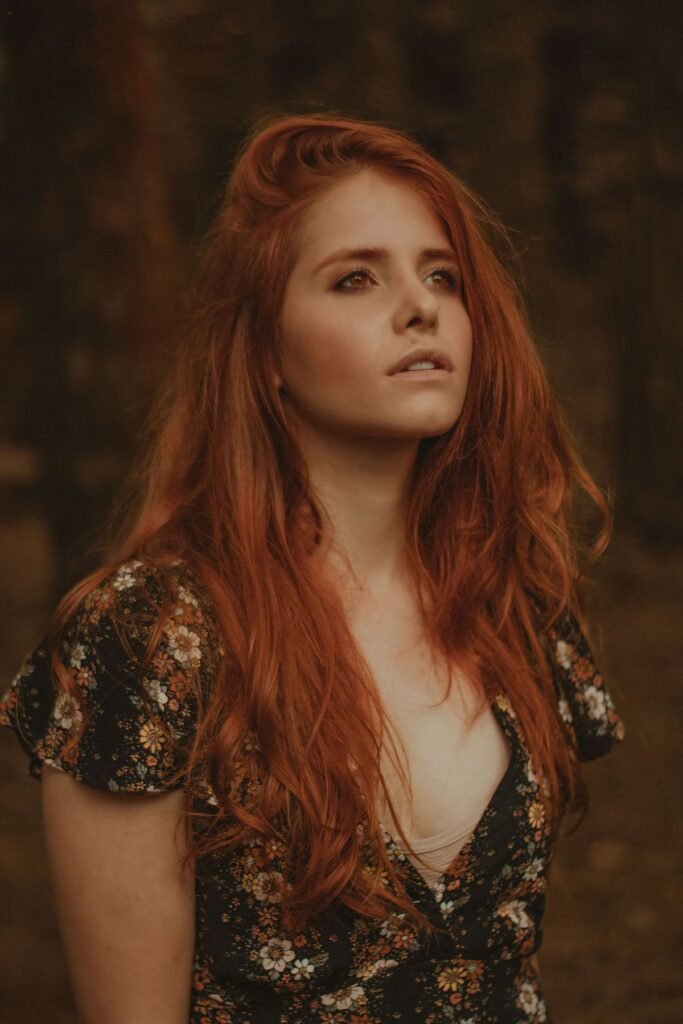
Copper, from soft auburn to vivid ginger, is the colour that shows off wolf cut layers best: the light catches each layer differently. Keep the colour vibrant with a colour-depositing mask every two weeks. See more copper inspiration in these copper hair colour ideas.
17. The Blonde Wolf Cut with Dark Roots
Blonde with darker roots — the lived-in look — suits a wolf cut perfectly, because the layers and the colour both have a grown-out feel. Ask for a root smudge in your natural colour and balayage through the lengths for a low-maintenance result.
18. The Wolf Cut with Face-Framing Highlights
Two lighter pieces framing the face, often called money pieces, draw attention to the eyes and cheekbones and brighten the whole cut. Keep the rest of the hair your natural colour for contrast that is striking without being high-maintenance.
19. The Pastel Wolf Cut
Pastel pink, lilac or peach over a wolf cut is a fun, festival-ready choice. It works best on pre-lightened hair, and a pastel gloss fades gracefully, so the commitment is lower than a vivid colour.
Wolf Cut Hairstyles for Occasions and Ages
20. The Everyday Wolf Cut
For daily wear, keep the layers soft and the fringe long enough to tuck behind the ears. A quick scrunch with texturising spray is usually all the styling needed, and the cut looks better slightly undone.
21. The Wolf Cut for Work
For a smarter setting, blow-dry the layers smooth with a round brush, tuck the front pieces behind the ears, and keep the fringe neat. A wolf cut can look professional when the layers are blended rather than jagged.
22. The Wolf Cut for a Night Out
Add volume at the crown with a volumising powder, curl the ends outwards with a large-barrel tong, and finish with a strong-hold texturising spray. The layers catch the light and move as you do.
23. The Wolf Cut for a Wedding Guest
For a wedding, add soft curls through the lengths, pin one side back with a decorative clip, and leave face-framing pieces loose. It is romantic without losing the cut’s character.
24. The Wolf Cut for Women Over 40
A softer wolf cut — longer layers, a curtain fringe and a medium length — is flattering and modern at any age. The volume at the crown lifts the face, and the face-framing layers soften the jawline. Davines notes that a wolf cut works on most hair types because it is customisable: short layers on top give volume, while longer layers at the back keep length and movement — see their wolf cut guide.
25. The Wolf Cut for Teens and Young Adults
Younger wearers can go bolder: choppier layers, a micro fringe, or a vivid colour. The cut is also forgiving as it grows out, which suits experimenting with length and fringe.
Related: the wolf cut sits between two other popular layered cuts — compare it with the shag haircut and the softer butterfly haircut.
How to Style and Maintain a Wolf Cut
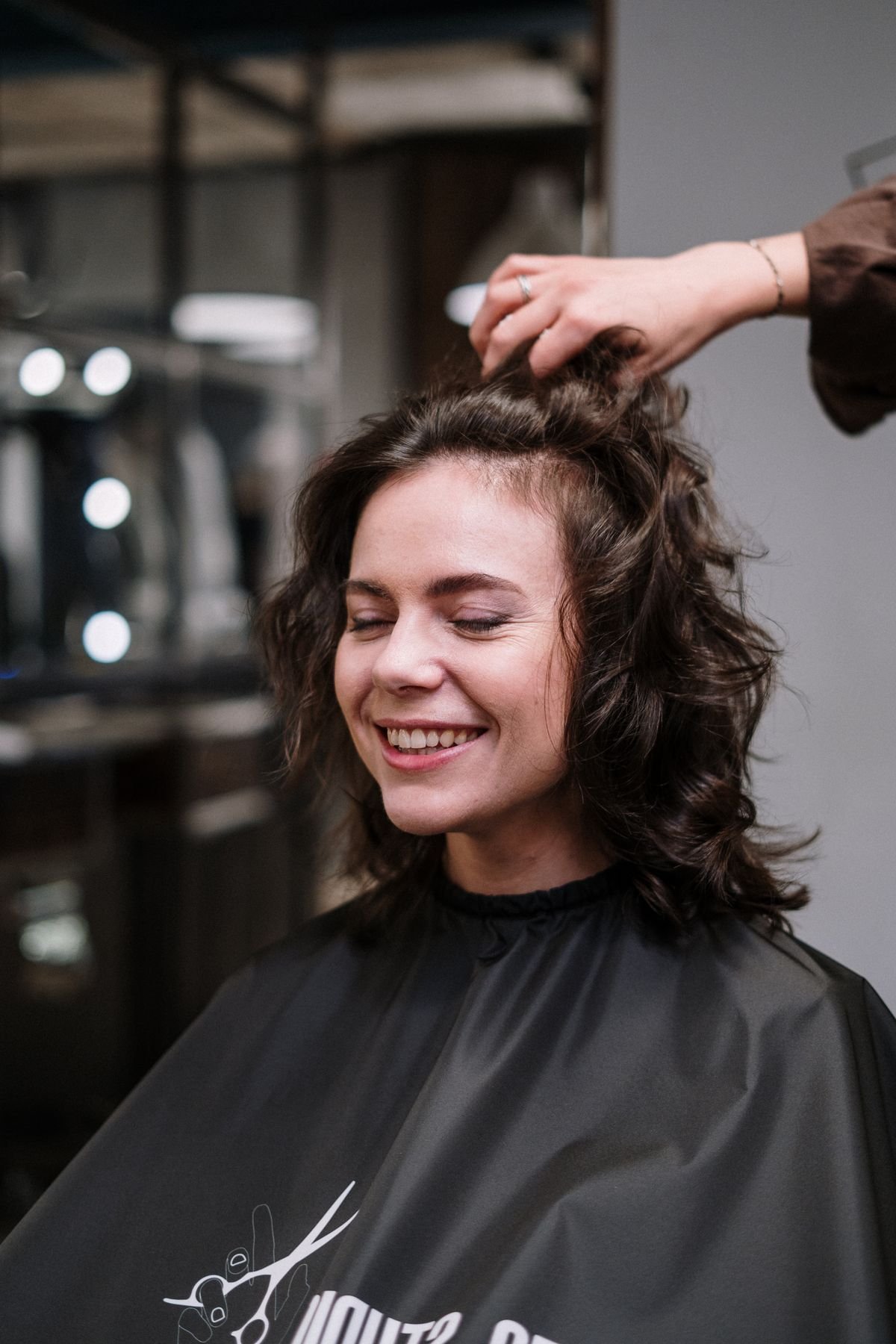
Start with damp hair. Apply mousse or texturising spray from the mid-lengths to the ends, scrunch upwards, and either air-dry or diffuse on low heat. For a smoother finish, blow-dry with a round brush, rolling the crown layers up for volume and flicking the ends outwards.
Finger-comb, never brush, once dry — brushing breaks up the layers and creates frizz. Refresh second-day hair with dry shampoo at the roots and a light mist of texturising spray through the ends. Mane Addicts recommends the same approach: style a wolf cut by working with its natural texture, using a diffuser for curls and waves and a round brush for volume, rather than fighting the layers flat — see its guide on how to style a wolf cut.
Maintenance is straightforward: a trim every 6–8 weeks keeps the shortest layers in place, and a fringe trim every 3–4 weeks stops the fringe growing into the eyes. Use a hydrating mask once a week, especially on coloured or bleached hair, to keep the ends from looking dry.
Wolf Cut Mistakes to Avoid
- Cutting the shortest layer too short on the first appointment — it is easier to go shorter later than to wait for growth.
- Brushing the cut dry, which destroys the piecey texture and creates frizz.
- Using heavy oils or serums through the crown, which flatten the volume the cut is designed to create.
- Skipping trims: a wolf cut loses its shape quickly when the layers grow out unevenly.
- Choosing a very choppy cut for fine hair without telling the stylist you want softness — fine hair needs longer, blended layers.
Frequently Asked Questions
What is a wolf cut?
A wolf cut is a layered haircut that combines shag-style layers with a mullet-inspired shape: short, voluminous layers at the crown and longer, textured lengths through the back, with face-framing pieces at the front.
Does a wolf cut suit curly hair?
Yes. Curly hair works beautifully with a wolf cut, provided it is cut curl by curl when dry, so the stylist can see where each curl will sit. Layers remove weight and let curls spring up.
How much does a wolf cut cost?
In the UK, a salon wolf cut typically costs roughly £40–£90, depending on the salon, the stylist’s experience and whether colour is included. London salons tend to be at the higher end.
How often should I trim a wolf cut?
Trim the layers every 6–8 weeks to keep the shape, and trim the fringe every 3–4 weeks if you have one, so it stays out of your eyes.
Can I style a wolf cut without heat?
Yes. Apply mousse or texturising spray to damp hair, scrunch upwards and air-dry, or diffuse on low heat for curls and waves. Finger-comb once dry rather than brushing.
Will a wolf cut work on fine hair?
Yes, with longer, softer layers that create volume without removing too much weight. Use a root-lifting mousse and avoid heavy oils that flatten fine layers.
How do I ask my stylist for a wolf cut?
Bring reference photos, agree on the fringe length and the shortest layer first, and explain whether you want a soft or choppy finish. Ask for texturised, point-cut ends rather than a blunt cut.
Does a wolf cut grow out well?
Yes, one of its advantages is that it grows out gracefully. The layers blend as they lengthen, and a trim every couple of months keeps the shape tidy without a dramatic change.
About Business Outstanders
Business Outstanders is a UK-based fashion and lifestyle publication. Our editors research current trends and test styling ideas to produce practical, accurate guides for everyday dressing and beauty.