HowtoApplyBronzerin2026:ACompleteGuide
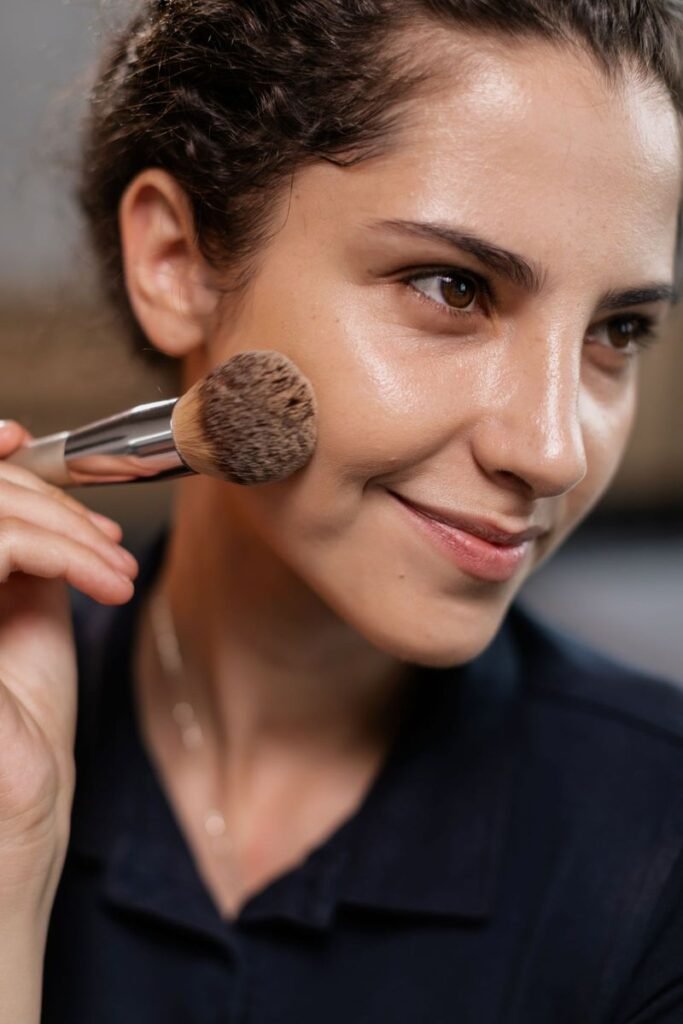
Table of Contents
Bronzer is the fastest way to look healthy, rested and sun-kissed without any sun at all — when it is applied well. When it is applied badly, it is the fastest way to look orange, muddy or striped. The difference is almost never the product: it is the shade, the brush and the placement. This guide covers how to apply bronzer step by step, how to choose the right shade for your skin tone, and the mistakes that give bronzer a bad name.
The golden rule of bronzer is restraint. Bronzer should look like warmth, not colour, and it belongs only where the sun would naturally hit your face: the forehead, the cheekbones, the nose and the jawline. Below is everything you need, from choosing your first bronzer to blending it so well that nobody can tell you are wearing it.
Key Takeaways
- Choose a bronzer only one to two shades darker than your skin tone, with a warm undertone that matches your skin — never orange.
- Matte bronzer is best for contouring and everyday warmth; shimmer bronzer is best for evenings and a glow, not for all-over use.
- Apply bronzer only where the sun hits: forehead, cheekbones, nose bridge and jawline, using a large, fluffy brush.
- Blend in light layers and build slowly: it is easy to add more bronzer, but very hard to remove too much.
- Cream bronzer suits dry skin and gives a natural finish; powder bronzer suits oily skin and lasts longer in heat.
In This Article
- Choosing the Right Bronzer for Your Skin Tone
- How to Apply Bronzer Step by Step
- Blending Bronzer for a Natural Finish
- Bronzer for Different Face Shapes
- Common Bronzer Mistakes to Avoid
- Frequently Asked Questions
Choosing the Right Bronzer for Your Skin Tone
Fair Skin: Light, Cool-Warm Tones
If you have fair skin, choose a light bronzer with a soft warm or neutral undertone — never a deep, orange shade, which will look muddy on pale skin. A light taupe-warm bronzer from Benefit (Hoola Lite), Charlotte Tilbury or Rimmel adds warmth without colour. Test the shade on your jawline in daylight, not under shop lighting, and choose the lightest option that still shows up.
Light to Medium Skin: Warm Honey Tones
Light to medium skin suits warm honey and golden bronzers, such as Benefit’s original Hoola, NARS Laguna or Physicians Formula Butter Bronzer. These shades add a believable sun-kissed warmth and work for both everyday and evening looks. If your skin tans easily, you can go one shade deeper in summer.
Medium to Tan Skin: Rich Golden and Caramel Tones
Medium and tan skin needs a richer bronzer — golden caramel, warm bronze or terracotta — or a light bronzer will simply disappear. Look for shades from Fenty Beauty, Huda Beauty or Too Faced, which offer deeper ranges with warm undertones. A bronzer with a slight shimmer also works beautifully on tan skin for evenings.
Deep Skin: Deep Bronze and Mahogany Tones
Deep skin suits deep bronze, mahogany and espresso-warm bronzers that add warmth and dimension rather than trying to darken the skin. Brands like Fenty Beauty, Pat McGrath and Black Radiance make bronzers specifically for deep tones. Avoid bronzers that look grey or ashy on your skin — the undertone should be warm, not cool.
Matte vs Shimmer Bronzer
Matte bronzer is the everyday workhorse: it warms the skin without adding shine, so it suits all skin types and all occasions. Shimmer bronzer adds glow and is best used lightly on the high points of the face for evenings, or mixed with a matte bronzer for a soft radiance. If you have oily skin or visible pores, stick to matte — shimmer emphasises texture. For a full beauty routine, see our concealer tips. To complete a polished look, pair your glow with a seasonal manicure from our autumn nails guide.
How to Apply Bronzer Step by Step
Step 1: Start with a Good Base
Apply your usual moisturiser, primer and foundation first, and set your T-zone lightly with powder if you have oily skin. Bronzer sits best on a smooth, even base — applying it on bare, uneven skin makes patchiness far more likely.
Step 2: Choose the Right Brush
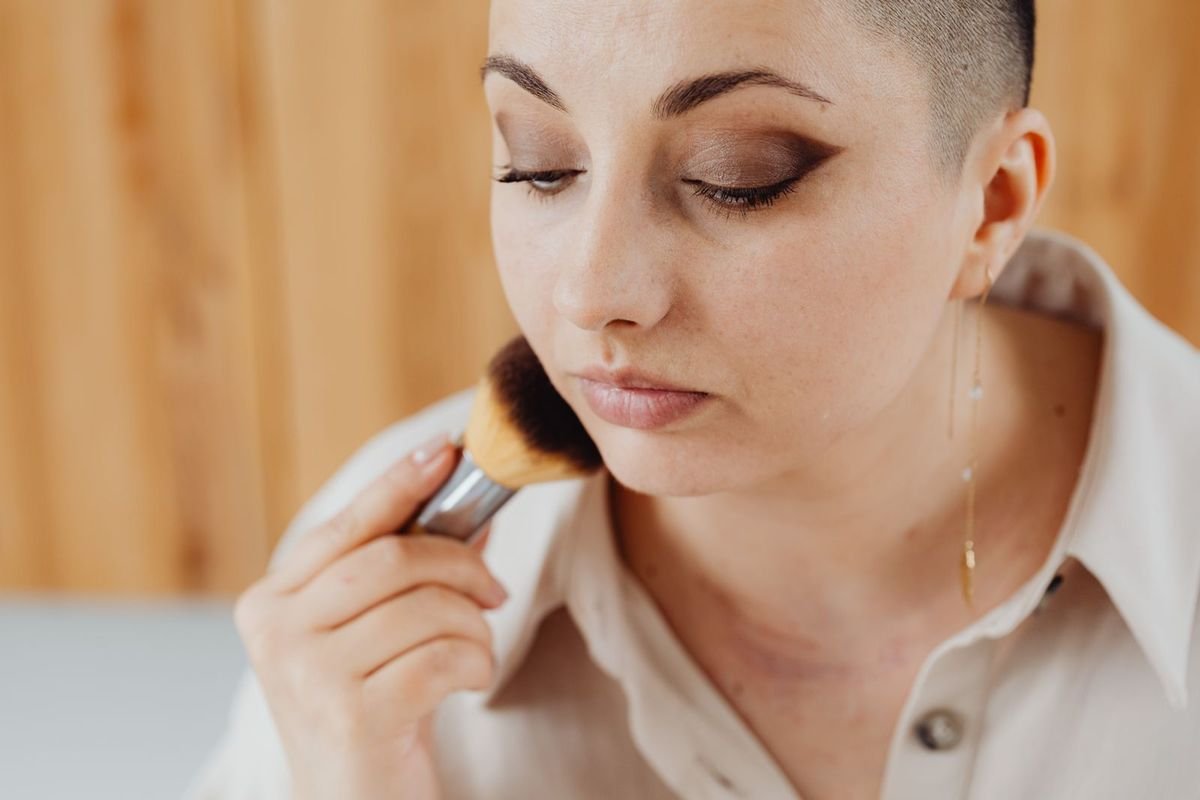
Use a large, fluffy powder brush for powder bronzer, or a dense stippling brush or damp sponge for cream bronzer. A brush that is too small concentrates the product in one spot and creates stripes; a big fluffy brush diffuses it naturally. Tap off excess product before it touches your face — most bronzer mistakes start with too much product on the brush.
Step 3: Apply in a “3” Shape
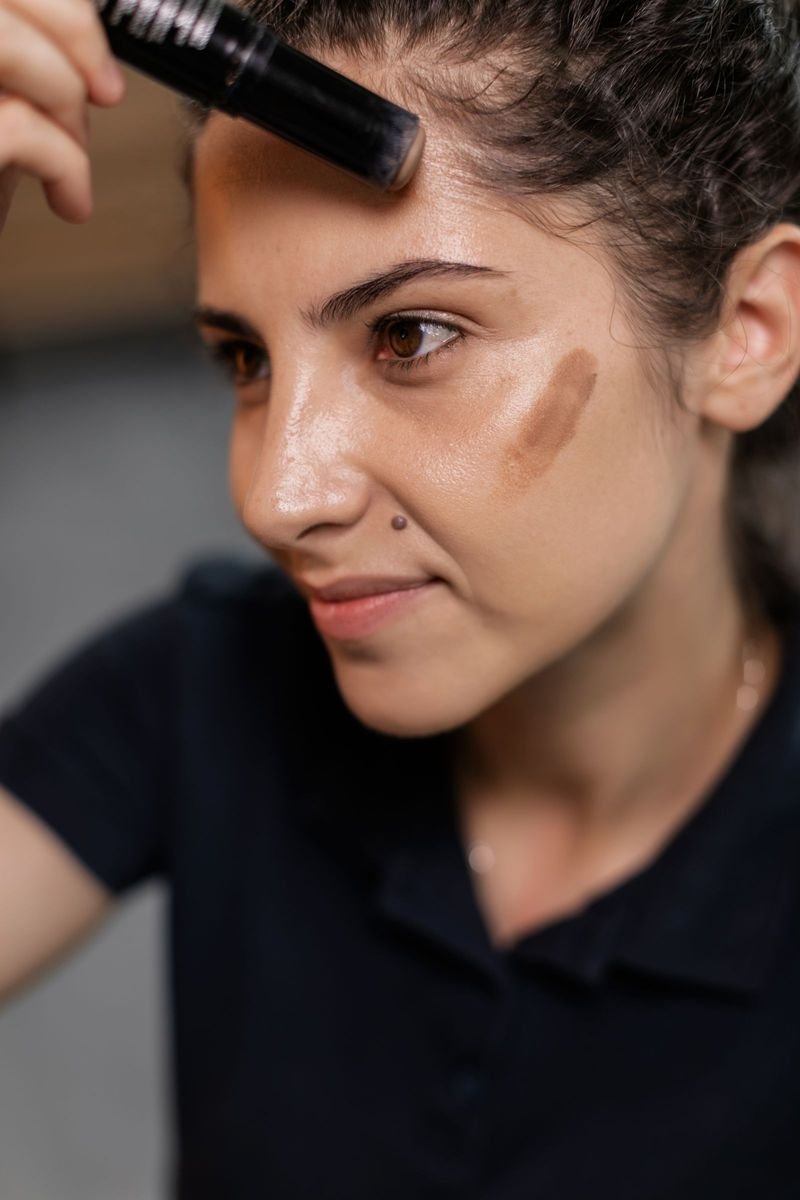
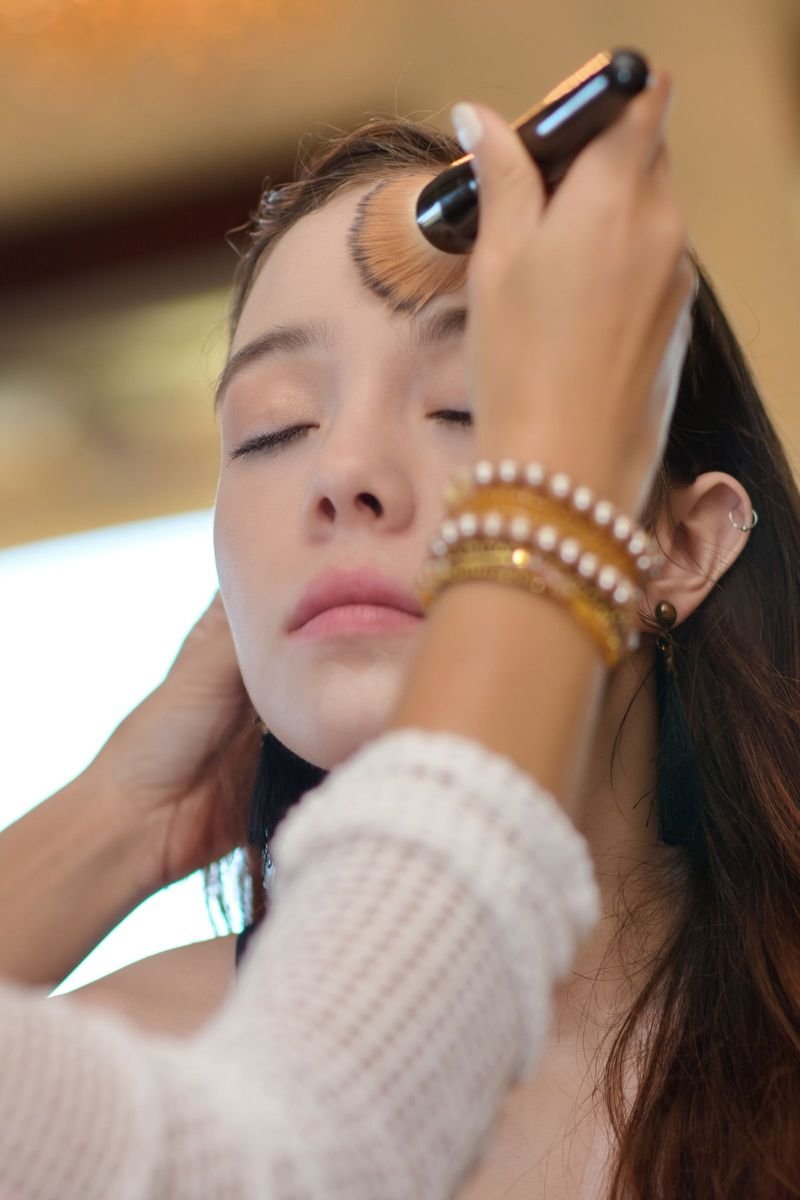
The classic technique is the “3” shape: sweep bronzer along your forehead near the hairline, down along your cheekbone, and along your jawline, drawing a 3 on each side of your face. Use light, sweeping strokes rather than pressing hard, and keep the colour away from the centre of your face.
Step 4: Add a Touch to the Nose and Chin
Lightly dust the bridge of your nose and a tiny amount on your chin with whatever is left on the brush — never reload the brush for these spots. This mimics where the sun naturally catches and ties the whole face together.
Step 5: Blend, Then Blend Again
Blend the edges with a clean fluffy brush or sponge until there are no visible lines. Step back from the mirror and check in daylight if you can: bathroom lighting hides harsh bronzer lines that daylight reveals instantly.
Step 6: Finish with Blush and Highlighter (Optional)
If you wear blush, apply it to the apples of your cheeks after bronzer, so the two do not muddy together. A touch of highlighter on the tops of your cheekbones, after bronzer, adds a glow that looks like healthy skin rather than makeup. For lip colour to complete the look, see our lip gloss guide.
Blending Bronzer for a Natural Finish
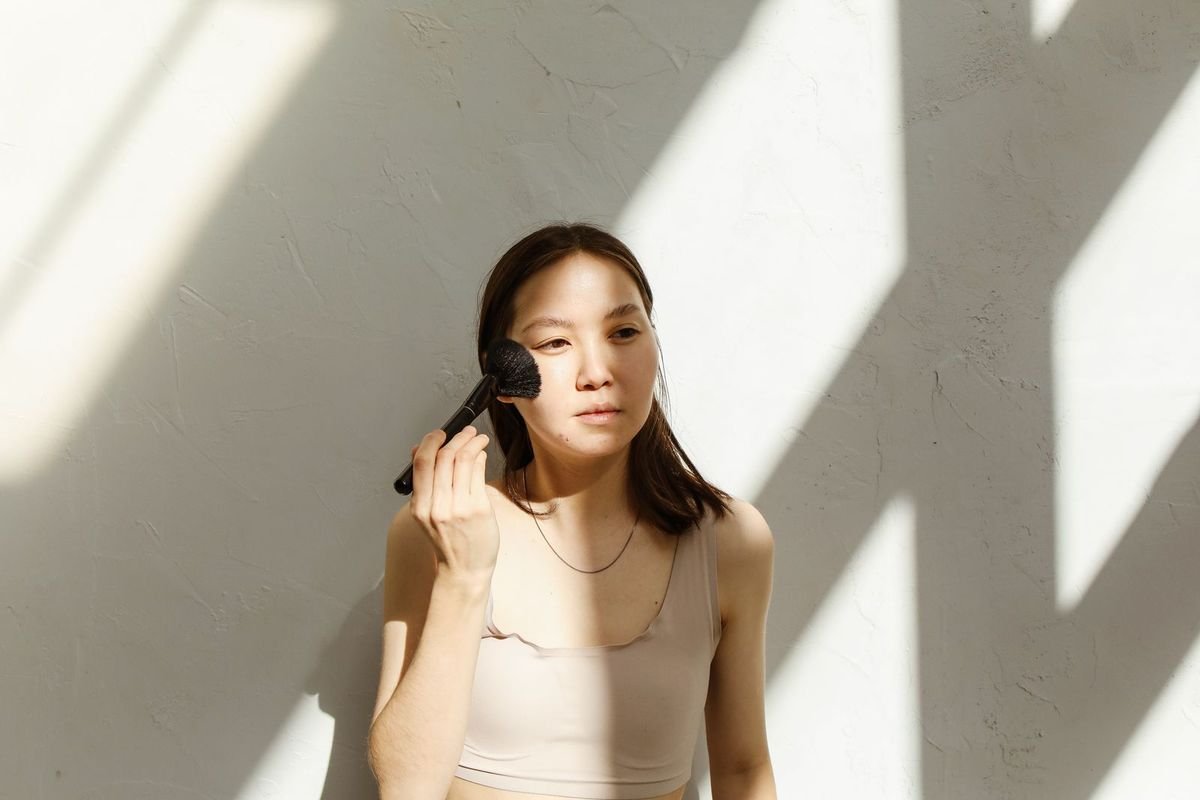
Blending is what separates good bronzer from obvious bronzer. Always use less product than you think you need, and build in two light layers rather than one heavy one. Blend upwards and outwards, never downwards onto the centre of your cheeks, which drags the face down. If you have applied too much, do not panic: buff over it with a clean brush, or press a little translucent powder or foundation over the area to soften it — never add more bronzer to fix bronzer.
For cream bronzer, blend with your fingers, a sponge or a dense brush while the product is still slightly damp, and set lightly with powder only if you need lasting power. For powder bronzer, a fluffy brush and circular motions give the most natural result. The test of good blending is simple: you should not be able to see where the bronzer starts or ends, only that your skin looks warmer and healthier. Allure regularly covers bronzer and glow techniques in its beauty coverage.
Bronzer for Different Face Shapes
The right hairstyle frames bronzer beautifully, so choose a cut that opens up your face — see these short hairstyles for women for ideas that pair well with a bronzed glow.
Round Faces
Apply bronzer along the temples, under the cheekbones and along the jawline to add definition. Keep the centre of the face — forehead centre, nose and chin — free of bronzer, which slims the face visually.
Oval Faces
Oval faces suit the classic “3” technique with no special adjustments: forehead, cheekbones and jawline, blended well. This is the most forgiving face shape for bronzer, so focus on shade and blending rather than placement tricks.
Square Faces
Soften a strong jawline by applying bronzer to the corners of the forehead and jaw, and blending thoroughly. Avoid harsh lines at the jaw — soft, diffused bronzer suits a square face far better than sharp contouring.
Heart-Shaped Faces
Balance a wider forehead and narrower chin by bronzing the temples and forehead lightly, and keeping the jawline almost free of bronzer. A touch on the chin adds balance without heaviness.
Long Faces
Shorten a long face visually by applying bronzer across the forehead near the hairline and lightly under the chin, rather than down the sides of the face. Horizontal placement, not vertical, is the key.
Related: for hair colour that complements a bronzed glow, see our auburn hair colour ideas.
Common Bronzer Mistakes to Avoid
The most common mistake is choosing a shade that is too dark or too orange — bronzer should be one to two shades darker than your skin, never five. The second is applying bronzer all over the face like foundation, which flattens your features instead of warming them; bronzer belongs only on the high points. Third, using a small, dense brush creates stripes, so always use a large fluffy brush for powder. Fourth, skipping blending leaves visible edges that look like dirt in daylight. Finally, applying bronzer over an unmoisturised or flaky base makes it patchy — prep your skin first, every time.
Bronzer typically costs £5–£12 for high-street options (Rimmel, Revolution, Physicians Formula), £20–£35 for mid-range brands (Benefit, NARS, Too Faced), and £35–£55 for luxury bronzers (Charlotte Tilbury, Tom Ford, Pat McGrath). A good high-street bronzer in the right shade beats an expensive one in the wrong shade every time, so spend your effort on shade matching, not price.
Frequently Asked Questions
What is the difference between bronzer and contour?
Bronzer adds warmth where the sun hits and is usually warm-toned; contour adds shadow to sculpt the face and is usually cool-toned and matte. Bronzer is for a healthy glow, contour is for definition, and they are not interchangeable.
Should bronzer go on before or after blush?
Bronzer goes first, then blush on the apples of the cheeks. This order stops the two products muddying together and keeps the blush colour true.
Can you wear bronzer without foundation?
Yes. Apply moisturiser and a little primer, then bronzer lightly on the high points of your face. This gives a natural, no-makeup glow and is ideal for holidays and weekends.
Is cream or powder bronzer better?
Cream bronzer suits dry and mature skin and gives a dewy, natural finish; powder bronzer suits oily and combination skin and lasts longer in heat. Many people use cream in winter and powder in summer.
How do I choose a bronzer shade?
Choose one to two shades darker than your natural skin tone, with a warm undertone that matches your skin. Test it on your jawline in daylight, and if it looks orange, it is too warm or too dark.
How much does a good bronzer cost?
High-street bronzers cost £5–£12, mid-range brands £20–£35, and luxury bronzers £35–£55. Shade match matters far more than price, so a well-chosen high-street bronzer is an excellent choice.
Can bronzer be used as eyeshadow?
Yes, in a pinch. A matte bronzer swept through the crease of the eyelid adds warmth and definition, and it is a classic trick for a quick, coordinated makeup look.
Does bronzer work on deep skin tones?
Yes, absolutely. Choose a deep bronze or mahogany shade with a warm undertone from a brand with a proper deep range, such as Fenty Beauty or Pat McGrath, and apply it to the high points of the face for warmth and glow.
Business Outstanders is a UK fashion editorial team covering women’s style, beauty and occasion dressing. Our guides are researched from current beauty collections and updated each season.