20ConcealerTipsforFlawlessSkinin2026
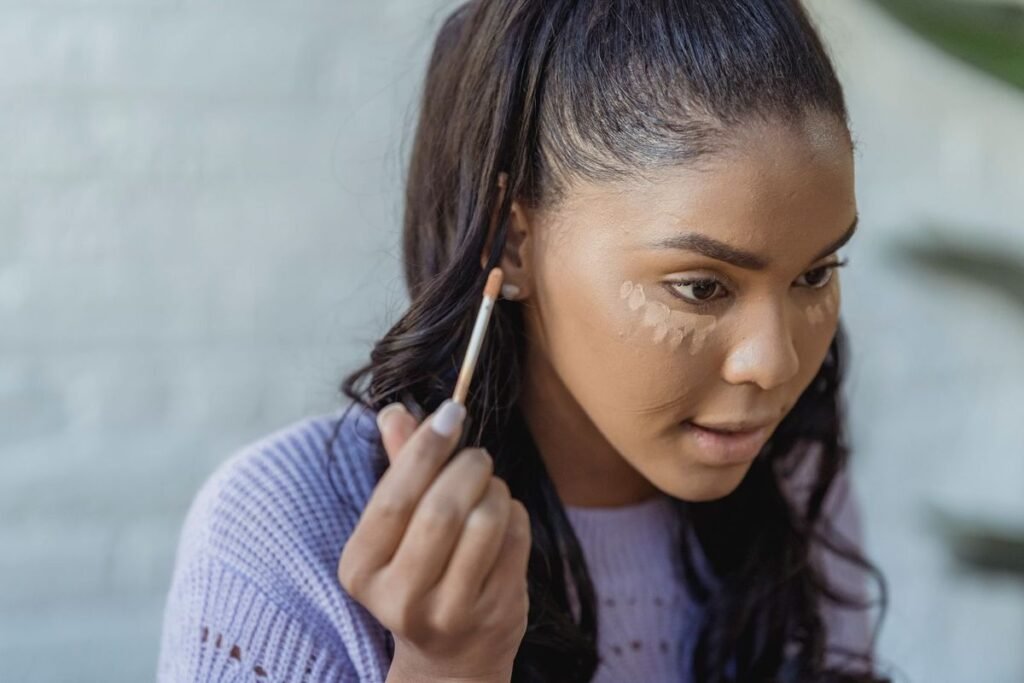
Table of Contents
Concealer is one of the most useful products in any makeup bag, and one of the easiest to get wrong. Used well, it brightens tired eyes, evens out redness, covers blemishes and makes the whole face look rested. Used badly, it settles into fine lines, looks cakey, or draws attention to exactly the area you wanted to hide.
The good news is that flawless concealer is mostly about technique, not expensive products. Shade choice, skin preparation, the right tool and a light hand matter far more than the brand name. This guide brings together 20 practical tips for 2026, covering under-eyes, blemishes, redness, mature skin and long-lasting wear, so you can get a natural, skin-like finish every time.
Key Takeaways
- Prep skin first: moisturiser and eye cream, left to sink in for a few minutes, prevent concealer from looking dry or cakey.
- For under-eyes, choose a shade one tone lighter than your foundation and with a peach or pink undertone to counteract darkness.
- For blemishes, match your foundation shade exactly and apply with a small brush, not a wide sponge.
- Less is more: build concealer in thin layers and blend the edges, rather than applying one thick layer.
- Set lightly with a small amount of translucent powder only where needed, to keep the finish natural.
In This Article
- Choosing the Right Concealer Shade and Formula
- 20 Concealer Tips for Flawless Skin
- Concealer for Under-Eyes, Blemishes and Redness
- Long-Lasting Concealer That Does Not Crease
- Common Concealer Mistakes to Avoid
- Frequently Asked Questions
Choosing the Right Concealer Shade and Formula
Shade is the foundation of good concealer. For under-eyes, choose a shade one tone lighter than your skin with a warm undertone: peach for medium skin, pink for fair skin, and orange or deep peach for deeper skin tones. These undertones cancel out blue and purple darkness far better than a pale, neutral shade, which can look grey.
For blemishes and redness, match your foundation shade exactly. A lighter shade on a spot will highlight it, not hide it. If you are unsure, test the concealer on your jawline in natural daylight, not under shop lighting, and wait a minute for it to settle before judging the colour.
Formula matters too. Liquid concealers are the most versatile and suit most skin types. Cream concealers offer fuller coverage for blemishes and are good for normal to dry skin. Stick concealers are convenient for travel but can drag on delicate under-eye skin. For mature skin, choose a lightweight, hydrating liquid and avoid very matte, full-coverage formulas that settle into fine lines.
Popular 2026 options include hydrating concealers from Maybelline, e.l.f., NARS, Charlotte Tilbury and Boots No7, with prices from around £6 for high street favourites to £25 and above for premium formulas. The right formula for your skin type matters more than the price tag.
20 Concealer Tips for Flawless Skin
Preparation Tips
- Moisturise first, always. Apply moisturiser and eye cream, then wait three to five minutes before makeup. Concealer applied to dry skin will cling to texture and look patchy, while concealer on properly hydrated skin blends smoothly.
- Prime only where needed. A light primer on the T-zone or under the eyes can help concealer last longer, but heavy primer all over the face can make concealer slide. Use a pea-sized amount and focus on areas that get oily.
- Apply foundation before concealer. Foundation evens out most of the face, so you need far less concealer afterwards. Applying concealer first usually means you use too much and end up with a heavy finish. For a full natural base routine, see natural makeup looks for women.
- Warm the product on your hand. Dot concealer on the back of your hand first, then pick it up with a brush or fingertip. Warming it slightly makes it blend more easily and prevents thick dots sitting on the skin.
Under-Eye Tips
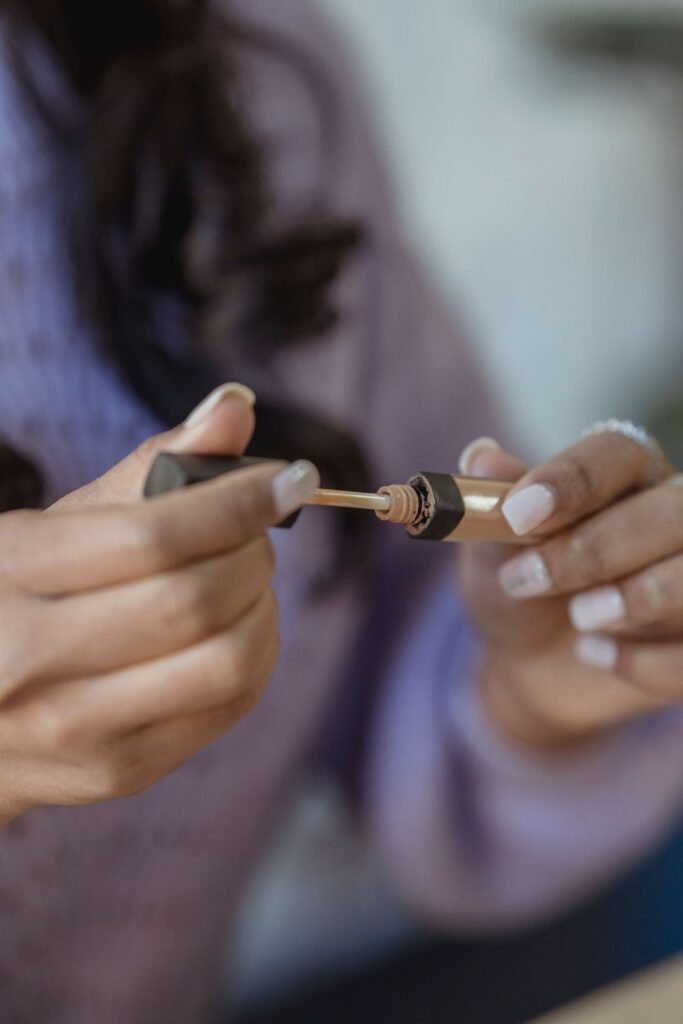
- Use the triangle method lightly. Apply concealer in a small triangle under the eye, with the point towards the cheek, rather than a thick crescent directly under the lashes. Blend downwards and outwards so the brightening looks natural, not like a mask.
- Colour-correct before concealing dark circles. If your dark circles are very blue or purple, apply a tiny amount of peach corrector first, blend it, then apply your normal concealer on top. This two-step approach needs less product overall and looks more natural than one thick layer of light concealer.
- Do not go too light. A concealer two or three shades lighter than your skin will look grey or ashy, especially in photographs. One shade lighter is enough for brightening; let the undertone do the colour-correcting work.
- Blend with a damp sponge or fingertip. A damp beauty sponge presses concealer into the skin for a natural finish. Your ring finger also works well under the eyes because it applies the least pressure to delicate skin. Avoid dragging the skin downwards.
- Set under-eyes immediately but lightly. After blending, press a tiny amount of translucent powder under the eye with a small brush or sponge. This prevents creasing without making the area look dry. Bake only if you need very long wear, and brush off excess powder after two to three minutes.
Blemish and Redness Tips
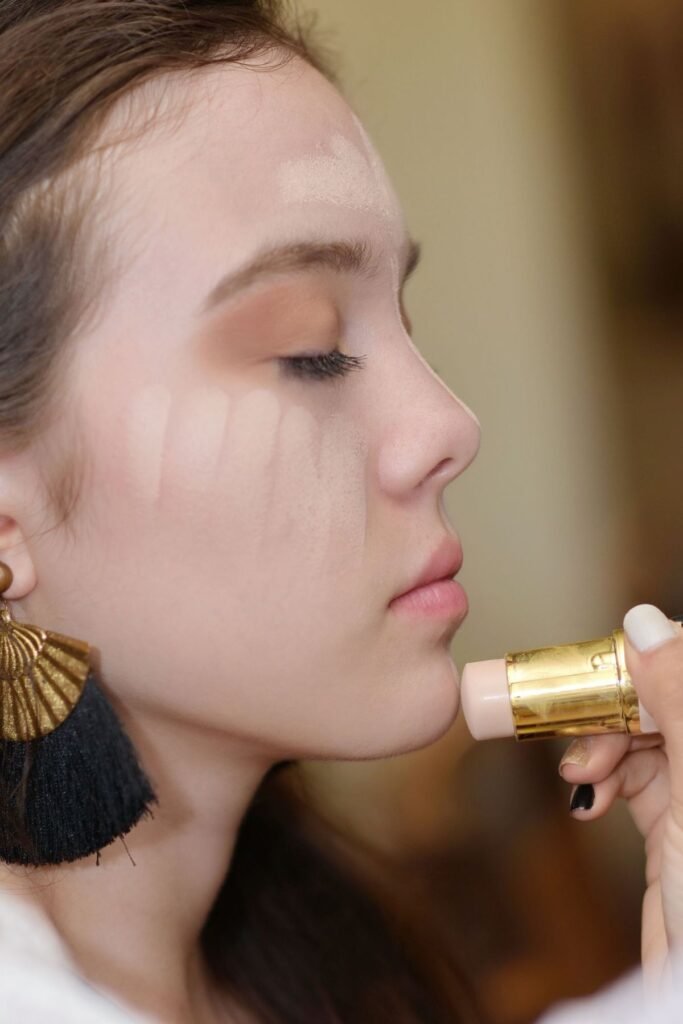
- Match, do not lighten, blemishes. Use a concealer that matches your skin exactly for spots. Apply a small dot directly on the blemish with a precise brush, wait 30 seconds for it to set slightly, then gently tap the edges to blend without removing the centre.
- Layer thinly for stubborn spots. Two thin layers with a few seconds between them cover better than one thick layer. Let the first layer set before adding the second, and avoid rubbing, which removes coverage.
- Use green corrector sparingly for redness. A tiny amount of green corrector can neutralise redness around the nose or on angry spots, but too much will look grey. Blend thoroughly and follow with a skin-toned concealer on top.
- Conceal redness around the nose carefully. The creases around the nose are prone to product build-up. Use a small brush, a minimal amount of product, and set very lightly to avoid a cakey line by midday.
Texture, Mature Skin and Long Wear
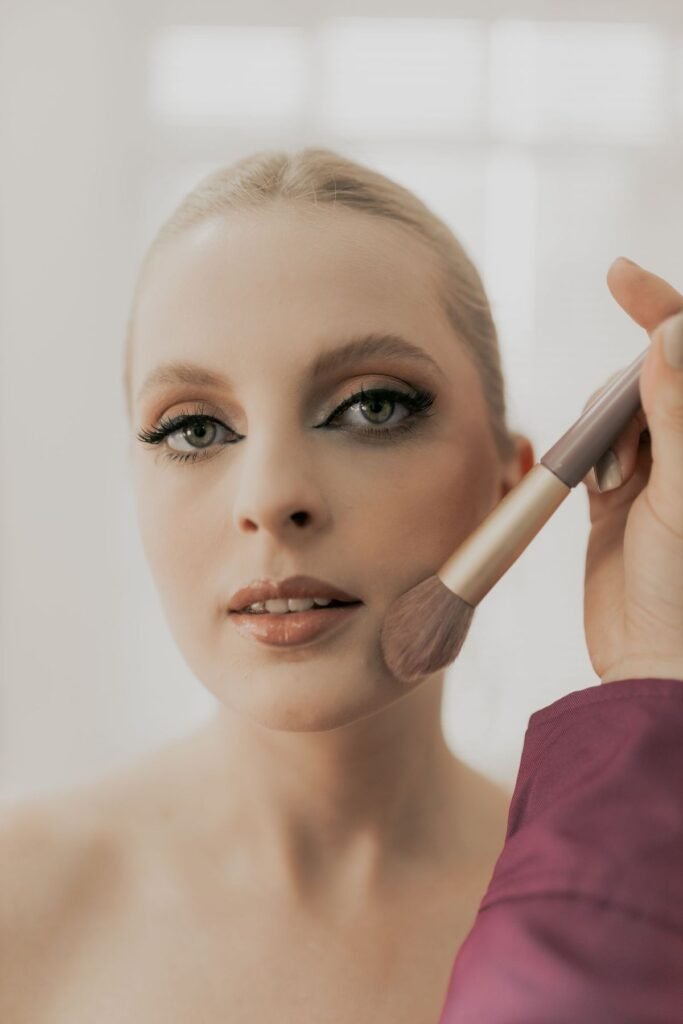
- Choose hydrating formulas for dry or mature skin. Matte, full-coverage concealers can emphasise fine lines and dry patches. A hydrating liquid with light to medium coverage looks more like skin and ages better through the day. For soft, age-friendly glamour, explore soft glam makeup looks.
- Avoid over-powdering. Powder is the main cause of cakey concealer. Use a small, fluffy brush and the smallest amount that stops transfer. If your skin is dry, you may only need powder under the eyes and on the T-zone.
- Mist to melt everything together. A light facial mist or setting spray after powder helps concealer melt into the skin and removes any powdery finish. Hold the spray at arm’s length and let it dry naturally.
- Touch up, do not reapply heavily. For midday touch-ups, blot oil first with blotting paper, then tap a tiny amount of concealer only where needed. Adding a full new layer over old makeup creates thickness and texture.
Occasion and Finish Tips
- For party makeup, build coverage gradually. Evening and party looks can handle fuller coverage, but still build in thin layers. A full-coverage base that looks good in photographs needs careful blending at the jawline and hairline. Party-ready inspiration is in party makeup looks for women.
- For bridal makeup, test in advance. Brides should trial their concealer in daylight and in photographs at least two weeks before the wedding. Long-wear, transfer-resistant formulas suit wedding days, but they still need proper skin prep to avoid creasing. See bridal makeup looks for full wedding-day guidance.
- Match concealer to your overall look. A natural daytime look needs a light, skin-like concealer, while a smokey eye evening look can handle slightly brighter under-eyes to balance the dark eye makeup. Keep the rest of the face balanced: if the eyes are bold, the concealer should be flawless but not heavy. For dramatic eye pairings, see smokey eye makeup ideas.
Related: naked nails for a polished, natural finish
Concealer for Under-Eyes, Blemishes and Redness
Each area needs a slightly different approach. Under-eyes need brightness, hydration and a warm undertone. Blemishes need exact shade matching and a precise application that stays put. Redness needs gentle neutralising and a light touch so the skin still looks like skin.
A useful routine is to apply foundation, then under-eye concealer, then spot concealer last. This order means you only conceal what foundation has not already covered, which keeps the total amount of product low. Finish with powder only where you need it, and check your makeup in natural light before leaving the house, as indoor lighting can hide both colour mismatches and excess powder.
For more on shade matching and undertone, Byrdie beauty guides offer clear, beginner-friendly explanations of colour correction and concealer formulas.
Long-Lasting Concealer That Does Not Crease
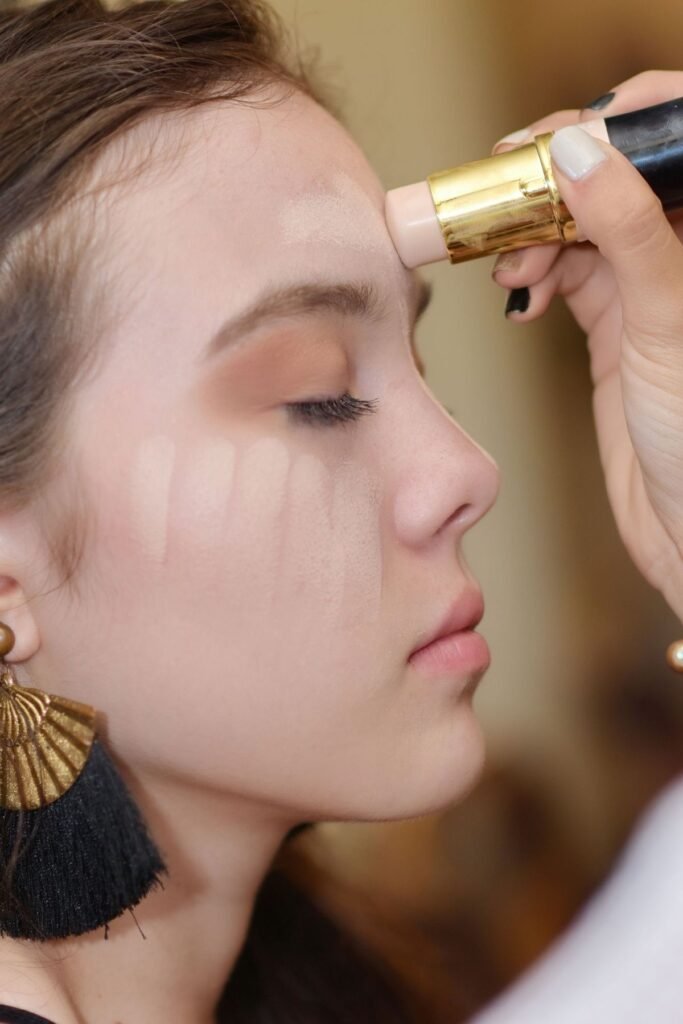
Long wear starts with skin prep and ends with setting. Hydrated skin, a thin application, and a light powder set will last far longer than a thick application on dry skin with heavy powder. If your concealer creases by midday, the usual cause is too much product, not the wrong brand.
Try this test: apply half the amount you normally use, blend thoroughly, and set lightly. Most people find the lighter application lasts longer and looks better in photographs. If you need extra staying power for a wedding or a long event, use a long-wear formula and a setting spray, but keep the layers thin.
Oil control also helps. Blot the T-zone before makeup if your skin is oily, and carry blotting papers rather than adding more powder through the day. Powder layered over oil and old makeup is what creates the thick, textured finish everyone wants to avoid.
Common Concealer Mistakes to Avoid
The biggest mistake is using one shade for everything. Under-eyes need a brighter, warmer shade, while blemishes need an exact match. Using the same light concealer on spots will make them stand out, not disappear.
Another mistake is applying concealer with a heavy hand. Thick dots, unblended edges and heavy powder all make concealer more visible, not less. Blend the edges until you cannot see where concealer ends and skin begins.
Finally, avoid concealing skin that does not need it. Freckles, moles and natural skin texture are not flaws to erase. A flawless finish in 2026 means even, rested-looking skin, not a completely flat mask. Leave some natural skin showing and focus coverage only where it genuinely helps.
Beauty editors at Allure consistently recommend this skin-first approach: prep well, use less product, and let natural texture show through for the most modern finish.
Frequently Asked Questions
What shade of concealer should I use for dark circles?
Choose a shade one tone lighter than your foundation with a peach or pink undertone. Peach suits medium skin, pink suits fair skin, and deeper peach or orange suits deeper skin tones. This cancels darkness without looking grey.
Should I apply concealer before or after foundation?
After foundation. Foundation evens out most of the face, so you need less concealer afterwards and the finish looks lighter and more natural.
How do I stop concealer creasing under my eyes?
Use a hydrating formula, apply thinly, blend well, and set lightly with a small amount of translucent powder immediately after blending. Avoid heavy powder and very matte formulas, which crease more easily.
How much does a good concealer cost?
High street concealers cost around £6 to £12 and perform very well for everyday use. Premium concealers cost £20 to £30 and often offer more shades and longer wear. Choose based on your skin type and shade match, not price alone.
Can I use concealer without foundation?
Yes. Apply a skin-matching concealer only on blemishes and redness, and a brightening concealer under the eyes, then blend well and set lightly. This creates a natural, no-makeup look with minimal product.
How long does concealer last on the skin?
With good prep and light setting, concealer typically lasts 6 to 8 hours. Long-wear formulas and setting spray can extend this to 10 hours or more. Blot oil during the day rather than adding heavy layers.
Is concealer bad for mature skin?
No, if you choose the right formula. Lightweight, hydrating concealers suit mature skin well. Avoid very matte, full-coverage products and heavy powder, which can settle into fine lines.
What is the best way to apply concealer for beginners?
Use a liquid concealer, dot a small amount where needed, blend with a damp sponge or your ring finger, and set lightly with powder. Start with less product than you think you need and build up only where necessary.
Business Outstanders editorial team: Our editors cover women’s beauty, makeup and skincare for readers in the UK, US and Canada. We research current products and real techniques so every guide reflects methods you can actually use at home.