NaturalMakeupLooks:Fresh,GlowingIdeasforEveryDay
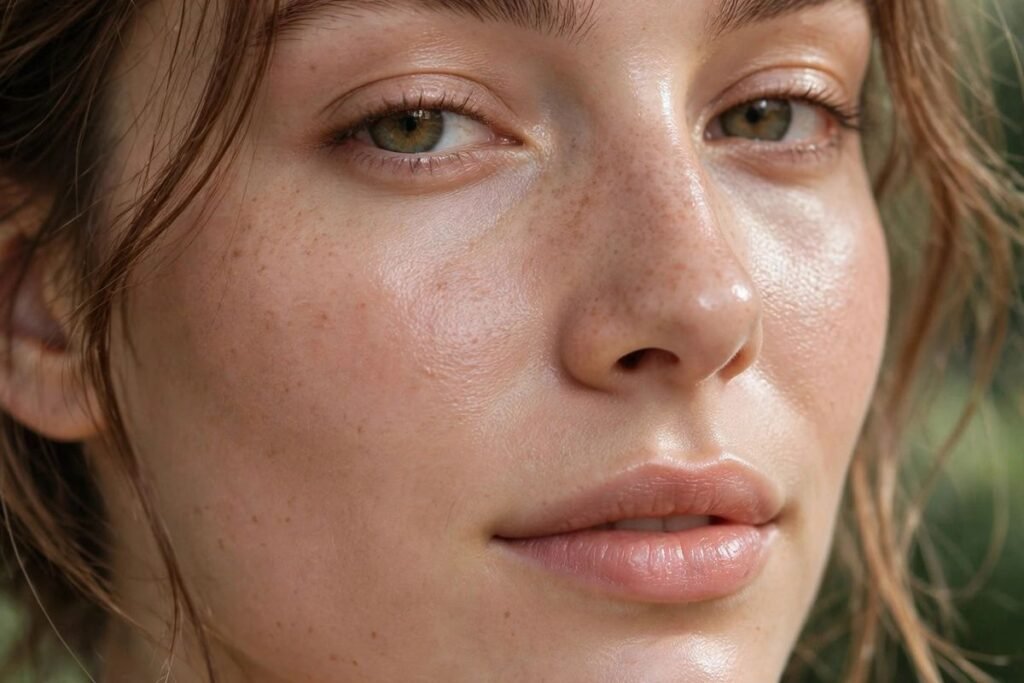
Table of Contents
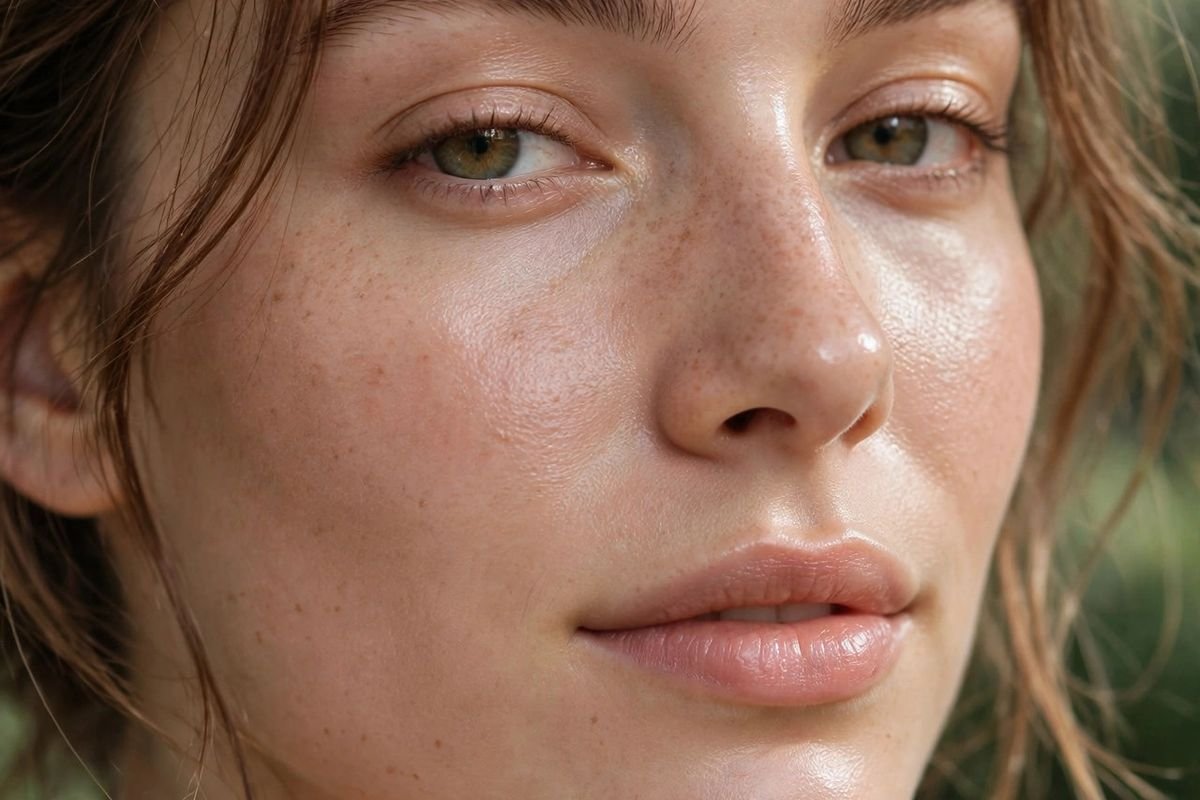
Natural makeup looks are about enhancing what you already have, not covering it up. The best versions look like you on a very good day: even skin, softly defined eyes, a hint of colour on the cheeks and lips that still look like lips. They work for the office, school run, weekends and video calls, and they are far quicker than they appear once you have a simple routine.
The secret is preparation and restraint. Healthy-looking skin comes first, then sheer, well-blended colour in the right places. Heavy foundation, harsh lines and too many competing features are what make makeup look less natural, so this guide focuses on techniques that keep everything soft, blended and wearable.
What makes makeup look natural?
Natural makeup is sheer rather than full coverage, matte in some places and luminous in others, and blended until there are no visible edges. Skin should still show some texture, brows should look groomed rather than drawn, and lips should be tinted rather than heavily lined. Colour choices matter too: warm neutrals, soft pinks, peaches and browns tend to read as natural, while very cool or very bright shades can look more dramatic.
The five-minute everyday routine
- Moisturise and apply SPF, then let it settle for a minute.
- Use a sheer tinted moisturiser or light foundation only where needed.
- Dot concealer on blemishes and under the eyes, then blend with a fingertip.
- Brush brows upwards and fill only sparse areas with light strokes.
- Add cream blush to the apples of the cheeks and blend outwards.
- Curl lashes and apply one coat of brown or black mascara.
- Finish with a tinted lip balm or a nude lipstick blotted with a finger.
Skin first: the base that does the work
Start with clean, hydrated skin. A lightweight moisturiser, a primer only where you need it, and a sheer base will do more for a natural look than a heavy foundation ever will. Apply base with your fingers or a damp sponge, pressing it in rather than rubbing, and build coverage only on areas that need it, such as redness around the nose or occasional breakouts.
Concealer should match your skin tone for blemishes and be one shade lighter for under the eyes, at most. Blend the edges carefully and set only the T-zone with a light dusting of translucent powder if you tend to shine. Leaving the cheeks and outer face unpowdered keeps the skin looking alive. For staying power in changeable weather, British Vogue’s guide to weatherproofing your make-up explains how thin layers and long-wearing products help makeup last without looking heavy.
Natural makeup looks for different occasions
The no-makeup makeup look
This is the lightest version: tinted moisturiser, a touch of concealer, groomed brows, curled lashes and a lip tint. It is ideal for everyday wear, warm weather and anyone who wants to look polished without feeling made up. The key is blending — step back from the mirror and check in natural light before you leave.
Soft glam for work and evenings
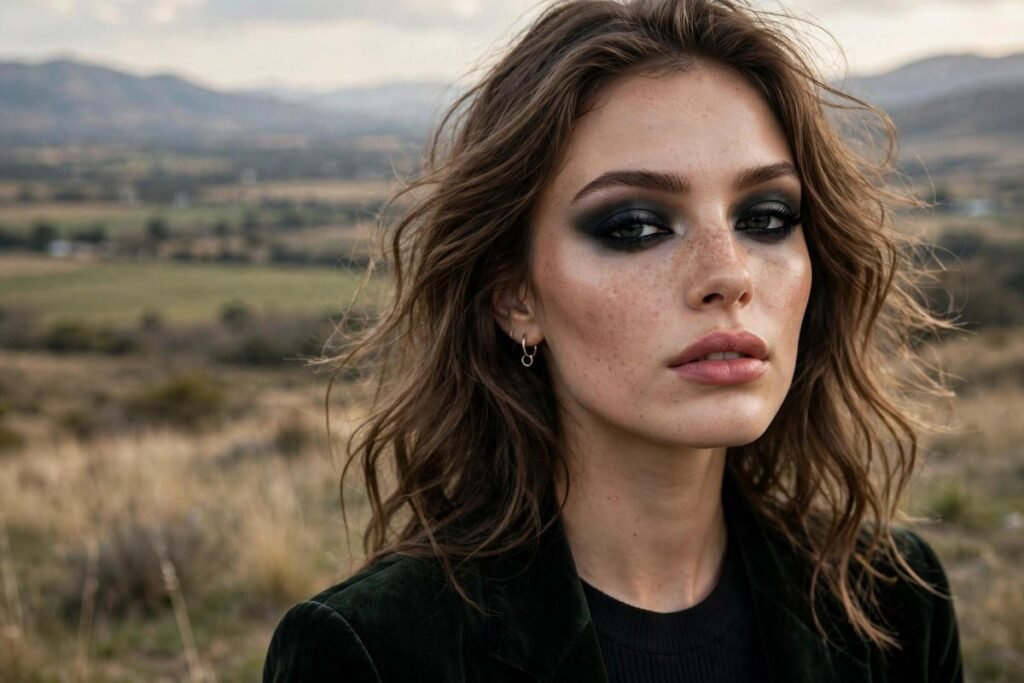
Soft glam keeps the same natural base but adds a little more definition: a soft brown eyeshadow in the crease, a thin line of eyeliner smudged along the lashes, a touch of highlighter on the cheekbones and a slightly deeper lip colour. It photographs beautifully and transitions easily from day to evening. If you like this direction, our soft glam makeup guide goes deeper into building that polished, still-natural finish.
Natural makeup for mature skin
For mature skin, cream products are usually more flattering than heavy powders. A hydrating base, cream blush and a satin-finish lipstick will sit more comfortably and look fresher. Avoid very matte foundations, which can settle into fine lines, and keep shimmer subtle — a little on the cheekbones and brow bone is enough.
Natural makeup for oily or combination skin
If you shine quickly, use a mattifying primer on the T-zone, a light oil-free base and a setting spray rather than layers of powder. Blotting papers during the day will refresh your makeup without adding thickness. Cream blush can still work, but set it lightly with a matching powder blush if you need extra staying power.
Eyes, brows and lips: keeping them soft
For eyes, choose one or two neutral shadows and blend well. A matte shade slightly deeper than your skin tone in the crease, plus a light shimmer on the lid, is enough for most days. Brown eyeliner smudged with a brush looks softer than black liquid liner, and one or two coats of mascara, applied from root to tip, open the eyes without clumping.
Brows frame the whole look, so brush them up, trim only stray hairs and fill gaps with short, hair-like strokes. A clear or tinted brow gel will keep them in place. For lips, exfoliate gently, apply balm, then choose a shade close to your natural lip colour. Blot once and reapply lightly for a stain-like finish that lasts.
When you want to turn a natural look up a notch for a night out, keep the base the same and add just one stronger feature — a deeper lip, a soft smoky eye or a little more blush. That restraint is what keeps the look elegant. Our party makeup looks show how to add that extra polish without losing the natural feel, and British Vogue’s wider beauty news and features section is a useful source of current makeup trends.
Common mistakes to avoid
The most common mistake is using too much product in an attempt to look flawless. Thick foundation, unblended concealer and overly drawn brows all have the opposite effect. Other pitfalls include choosing a foundation shade that is too light or too dark, skipping moisturiser, and applying powder all over the face, which can flatten the skin. Always check your makeup in daylight, blend downwards at the jawline, and remember that less product, well blended, almost always looks better.
Frequently asked questions
What is the difference between natural makeup and no-makeup makeup?
They are very similar. No-makeup makeup is the lightest form of natural makeup, using the fewest products to create a barely-there finish.
How can I make natural makeup last all day?
Prep hydrated skin, use thin layers, set the T-zone lightly and finish with setting spray. Blot rather than adding more powder during the day.
Which foundation is best for a natural look?
A sheer tinted moisturiser or light, skin-like foundation that matches your undertone and lets some natural texture show through.
Can natural makeup suit all skin tones?
Yes. The principles are the same; simply choose shades that match your undertone and depth, from soft neutrals to deeper browns and berries.
Final thoughts
Natural makeup looks are not about hiding; they are about balance, blending and choosing products that work with your skin. Start light, build only where you need to, and let your features do most of the talking. With a little practice, a fresh, glowing look becomes a five-minute habit you can rely on every day.
Keep your kit simple too: a tinted moisturiser, one concealer, a cream blush, a neutral eyeshadow, a brow gel, a mascara and a lip tint will cover almost every natural look. Store brushes clean and dry, replace mascara every few months, and test new shades on your jawline in daylight. With a small, well-chosen kit, you will spend less time deciding and more time enjoying a fresh, confident finish.