25MismatchedBridesmaidDressesIdeasfor2026
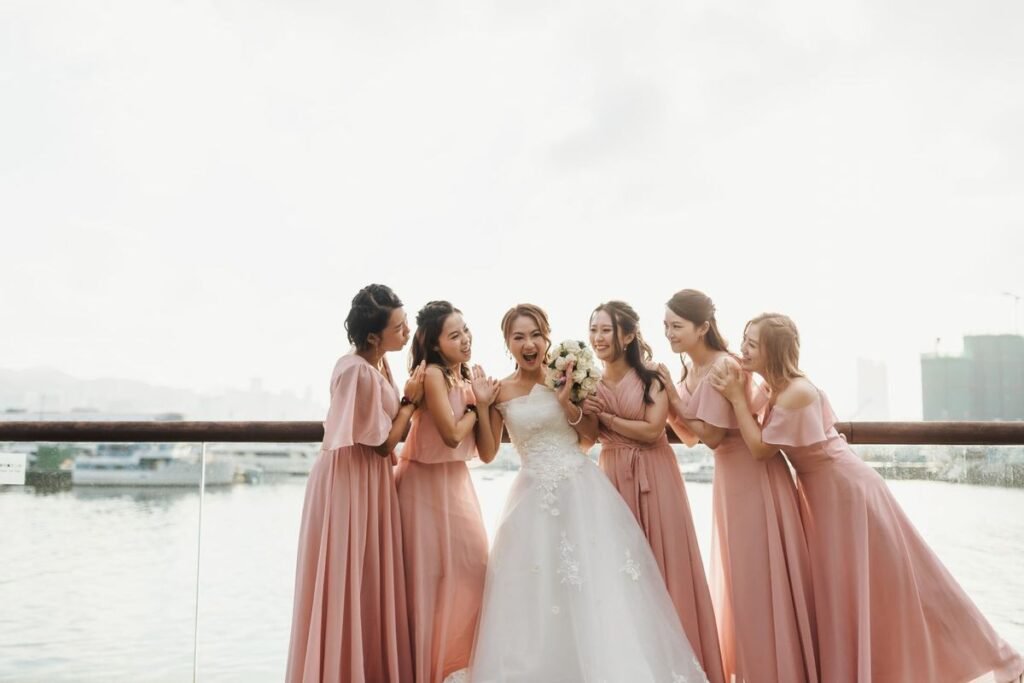
Table of Contents
Matching bridesmaid dresses had a good run — but for 2026, the defining bridal-party trend is coordinating rather than matching. Mismatched bridesmaid dresses let each woman wear a style that suits her, while a shared colour, fabric or palette keeps the group looking intentional in photographs. Done well, the result is softer, more modern and far more flattering than five identical gowns.
The secret is the one-fixed-element rule: fix one thing — the colour, the fabric family or the palette — and let everything else vary. Below are 25 mismatched bridesmaid dresses ideas for 2026, covering the four main approaches, tonal and jewel-tone palettes, mixed necklines, winter evenings and the ordering practicalities that make it all work.
Key Takeaways
- Mismatched bridesmaid dresses are 2026’s defining bridal-party trend — coordinating, not matching, flatters every body shape and skin tone.
- The four approaches are: the same colour in different styles; tonal shades of one colour; different colours in one palette; and prints mixed with solids.
- Fix one element — the colour, the fabric family or the palette — and let the rest vary; that is what keeps the look cohesive.
- Limit the palette to three or four colours, order fabric swatches before committing, and keep shoes in silver or pale gold.
- Winter evenings suit emerald, sapphire, deep plum, burgundy and gold, while dusty rose and mauve suit spring and summer weddings.
In This Article
- The Four Approaches to Mismatched Bridesmaid Dresses
- Tonal and Ombre Palettes
- Jewel-Tone Duos
- Two-Tone Pairings
- Mix-and-Match Necklines in One Fabric
- Seasonal Palettes: Winter Evening
- Dusty Rose and Mauve
- Ordering Practicalities
- How to Keep a Mismatched Bridal Party Cohesive
- Frequently Asked Questions
The Four Approaches to Mismatched Bridesmaid Dresses
Every mismatched bridal party uses one of four approaches, and choosing yours first makes every later decision easier. A good overview of mismatched bridesmaid dresses shows how the same ideas work across different wedding styles, from country garden ceremonies to city evening receptions.
1. Same Colour, Different Styles
Everyone wears the same colour — dusty blue, sage or burgundy — but each bridesmaid chooses her own neckline and silhouette. One might wear a strapless gown, another a cap sleeve, a third a halter neck. Our guide to bridesmaid dresses outfits shows how a single colour can still look varied. This is the safest approach and the easiest to photograph.
2. Tonal Shades of One Colour
Choose one colour family and dress each bridesmaid in a different shade of it — blush, petal pink, dusty rose and mauve, for example. The gradient effect is beautiful in photographs and suits mixed skin tones, since each woman wears the depth that flatters her most. Order swatches together so the shades sit evenly across the group.
3. Different Colours in One Palette
Pick a palette — say, muted pastels or soft jewel tones — and give each bridesmaid a different colour from within it. Sage, dusty blue and blush sit beautifully together, as do terracotta, rust and dusty rose. The palette is the fixed element here, so keep every shade at a similar depth and saturation.
4. Prints Mixed with Solids
One or two bridesmaids wear a floral or patterned dress while the rest wear solid colours pulled from the print. A floral with blush, sage and cream, for instance, pairs with solid blush and sage dresses. Keep the print to one or two dresses — more than that, and the group starts to look busy rather than coordinated.
Tonal and Ombre Palettes
Tonal palettes are the most popular way to do mismatched bridesmaid dresses in 2026, because they are forgiving: shades that are close together rarely clash. If you need help choosing shades, a guide to bridesmaid dress colour combinations is a useful starting point before you order swatches.
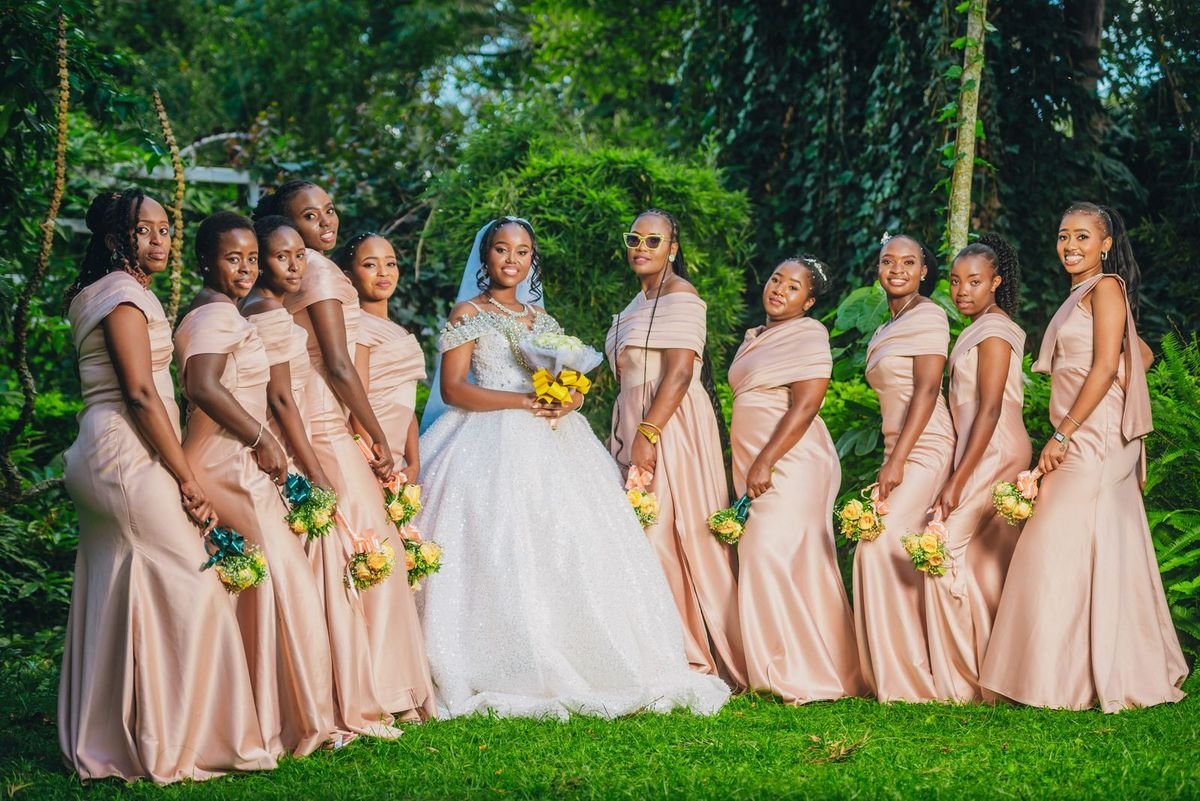
5. The Blush Gradient
Line the bridesmaids up from palest blush to deepest dusty rose for a gentle ombre across the group. The palest shade goes to the bridesmaid who wants the lightest look, the deepest to whoever suits a stronger colour. Pale gold shoes and small white bouquets keep the palette clean.
6. Dusty Rose and Mauve
Dusty rose and mauve are close enough to read as one family but different enough to give each dress its own character. Add a grey-mauve shade for a third option. This pairing suits spring and summer weddings and photographs beautifully in natural light.
7. The Terracotta Ombre
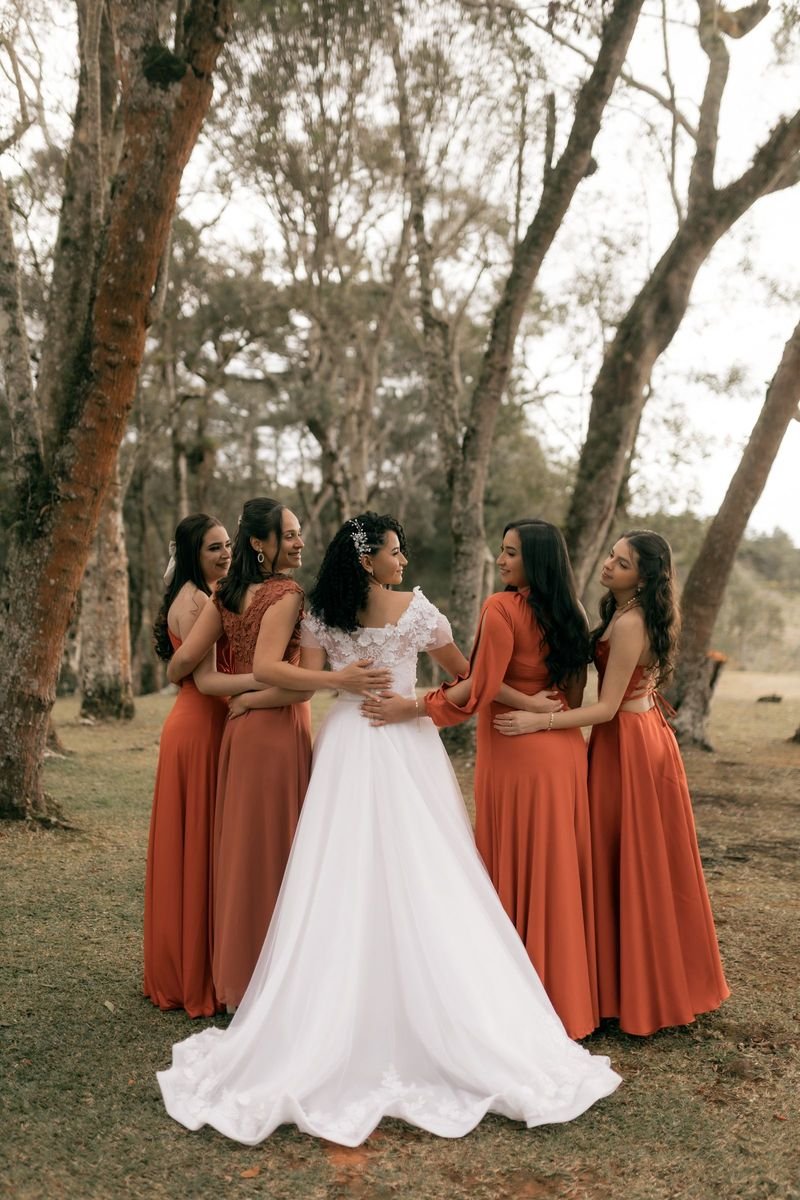
Terracotta, rust and clay form a warm autumnal gradient that suits barn and countryside weddings. Keep the fabric the same — chiffon or crepe — so the colour does the varying. Gold jewellery and cream bouquets warm the palette further.
8. Burgundy to Blush
For the boldest tonal look, run the full range from deep burgundy to pale blush. The contrast is dramatic but the shared pink undertone holds it together. This works especially well for autumn weddings, and the deepest shade photographs beautifully against a cream bridal gown.
Jewel-Tone Duos
Jewel tones are made for mismatched bridesmaid dresses: the colours are rich enough to stand apart, yet they share a depth that keeps the group unified. They suit autumn and winter weddings best, and they flatter most skin tones.
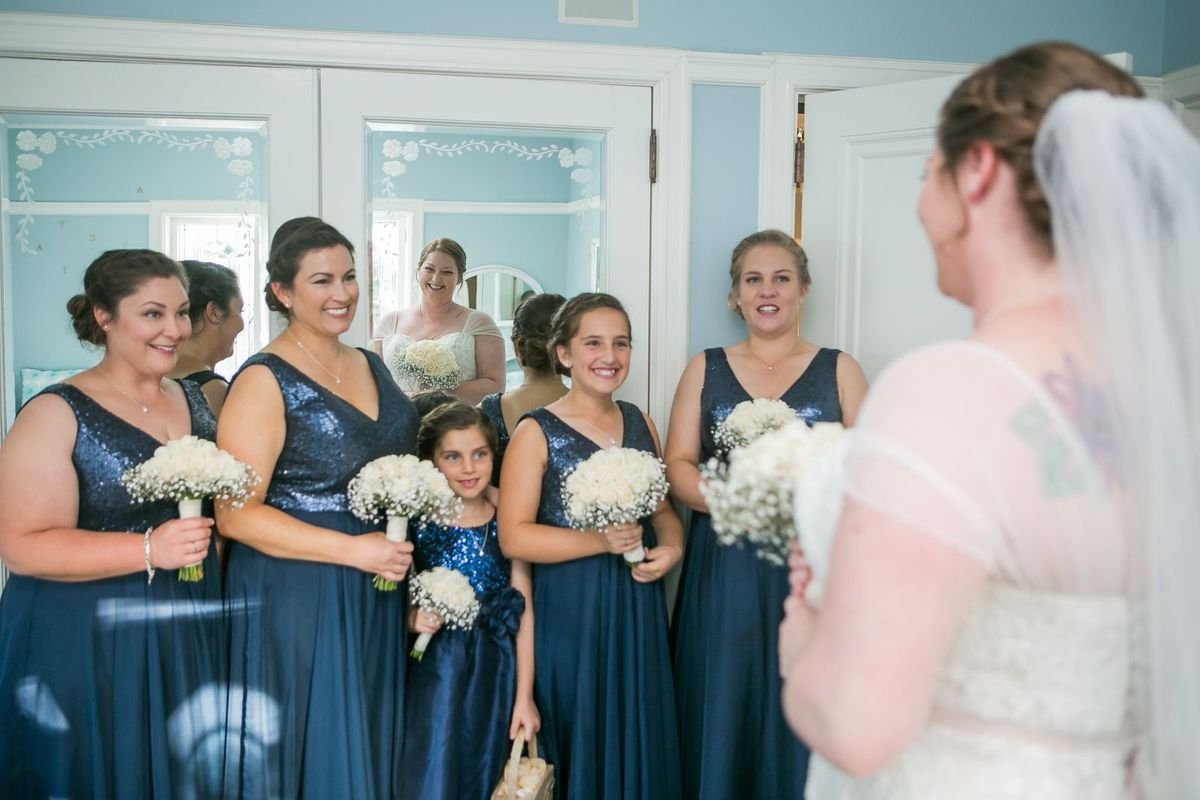
9. Emerald and Sapphire
Emerald and sapphire side by side is the most striking jewel-tone pairing there is. Alternate the two colours down the line, or give the maid of honour one shade and the rest the other. Our green bridesmaid dresses guide has more emerald inspiration. Silver shoes keep the look cool and evening-ready.
10. Plum and Burgundy
Plum and burgundy are close cousins, which makes them one of the easiest duos to wear: the group reads as tonal, but each dress keeps its own character. This pairing suits autumn weddings and works beautifully with gold jewellery and cream or blush bouquets.
11. Emerald and Gold
Emerald dresses with one or two gold metallic dresses in the mix make a glamorous evening statement. Keep the gold to a single bridesmaid — the maid of honour, for instance — so it reads as a highlight rather than a competing colour. Gold shoes tie the whole group together.
12. Sapphire and Silver
Sapphire dresses with silver metallic accents suit winter and evening weddings perfectly. A silver dress on one bridesmaid, sapphire on the rest, with silver shoes across the group, gives a cool, polished finish. White bouquets keep the palette crisp.
Two-Tone Pairings
Two colours is often all a bridal party needs. With only two shades, the look stays clean and easy to photograph, and each bridesmaid simply wears the shade that suits her best.
13. Sage and Ivory
Sage and ivory is the softest two-tone pairing and a favourite for garden and countryside weddings. Ivory dresses read almost bridal, so give ivory to one or two bridesmaids and sage to the rest — the bride stays clearly distinct in her own gown. Greenery bouquets complete the look.
14. Dusty Blue and Blush
Dusty blue and blush is the classic spring pairing: cool and warm in perfect balance. Add deeper teal accents in the bouquets or shoes for contrast — our teal bridesmaid dresses show how the deeper shade works. Pale gold shoes suit both colours.
15. Champagne and Dusty Rose
Champagne and dusty rose is warm, romantic and flattering on almost everyone. Champagne dresses catch the light beautifully in evening photographs. See our champagne bridesmaid dresses for styling ideas, and keep jewellery to soft gold.
Mix-and-Match Necklines in One Fabric
Keeping one fabric across the whole party while varying the necklines is the subtlest way to mismatch. The dresses read as a set from a distance, but each bridesmaid wears the cut that suits her — the best of both worlds.
16. Same Fabric, Different Necklines
Choose one fabric — chiffon, crepe or satin — in one colour, then let each bridesmaid pick her neckline: V-neck, scoop, halter or strapless. Birdy Grey and Azazie both organise their collections by colour family, which makes ordering the same fabric in different cuts straightforward.
17. Halter and Strapless
A halter neckline suits bridesmaids who want more support, while a strapless cut suits those who prefer a classic look. In the same fabric and colour, the two read as a deliberate pair rather than a compromise. Keep the skirt length the same across both styles.
18. One-Shoulder and Sweetheart
One-shoulder and sweetheart necklines are both romantic, but they suit different figures — which is exactly why mixing them works. The asymmetry of a one-shoulder dress photographs beautifully next to a sweetheart neckline, especially in satin or velvet.
Related: For a softer take on the trend, see our butter yellow bridesmaid dresses.
Seasonal Palettes: Winter Evening
Winter weddings call for depth. Rich colours, heavier fabrics and a little sparkle suit candlelit venues and evening receptions, and mismatched bridesmaid dresses let you use the full winter palette without the group looking heavy.
19. The Winter Evening Palette
Emerald, sapphire, deep plum, burgundy and gold together make the definitive winter evening palette. Give each bridesmaid one of the five colours and keep the fabric the same — velvet or heavy crepe — so the group holds together. Our winter bridesmaid dresses guide has more cold-weather ideas.
20. Velvet for Winter
Velvet is the winter bridesmaid fabric: warm, rich and made for evening light. Dress the party in velvet in two or three shades — burgundy, plum and forest green, for instance — and the texture alone unifies the group. Keep bouquets simple so the fabric stays the focus.
21. Metallics and Gold Accents
A gold metallic dress on one bridesmaid, with the rest in deep jewel tones, is the most glamorous winter option. Gold shoes across the whole party tie it together, and warm white bouquets stop the palette feeling cold. This is the version to choose for a New Year or December wedding.
Dusty Rose and Mauve
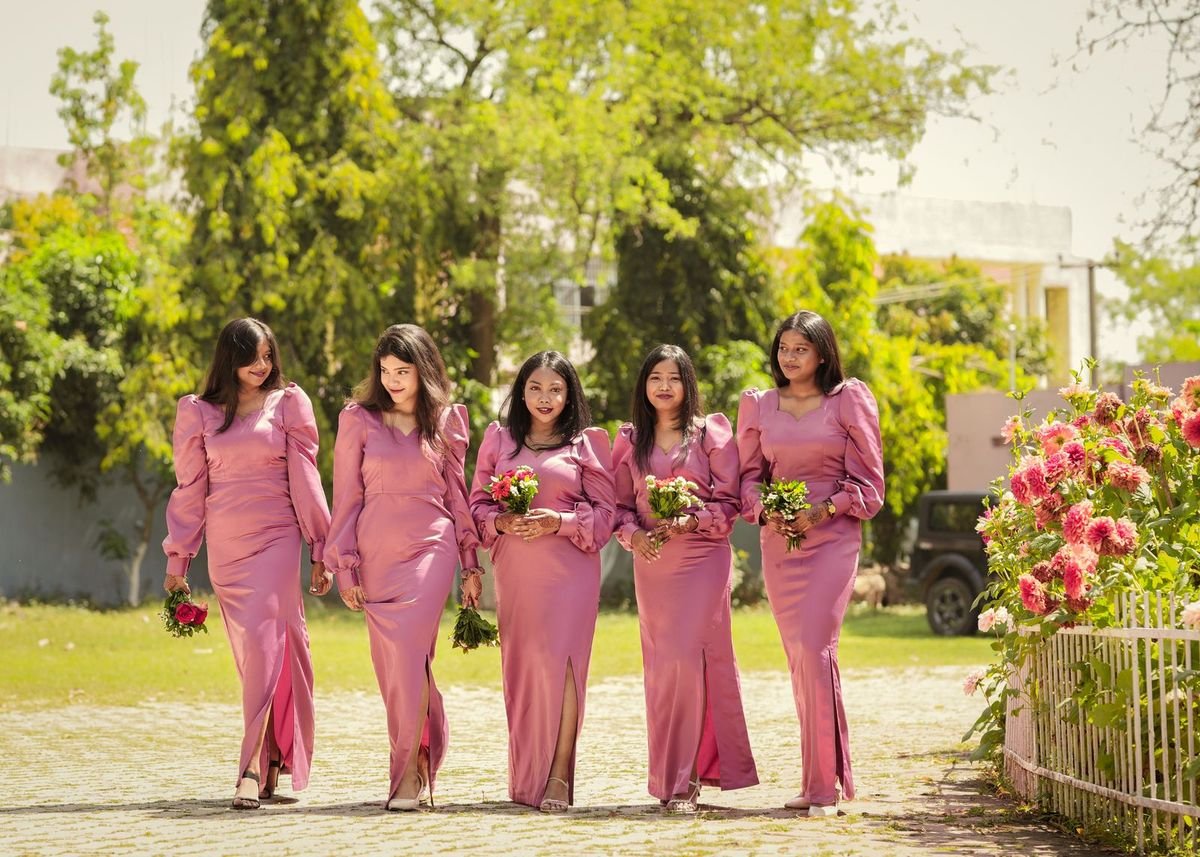
Dusty rose and mauve deserve their own section: they are the most requested mismatched bridesmaid dresses palette of 2026, and they suit almost every venue, season and skin tone.
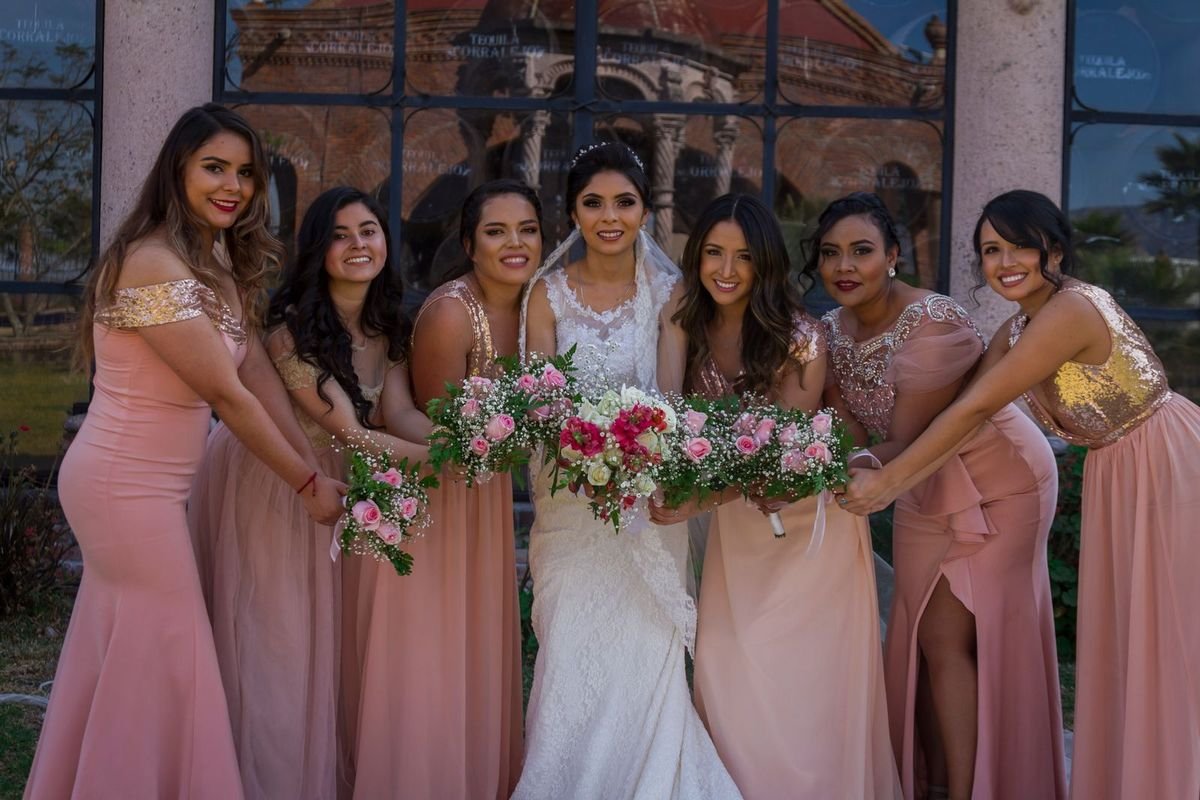
22. Dusty Rose Maids
Dress the whole party in dusty rose, but vary the styles: a slip dress, an A-line, a wrap dress and a halter neck. Azazie’s colour families make it easy to order the same shade in different cuts, while Jenny Yoo’s distinct collections offer the same idea at a higher price point. Pale gold shoes and blush bouquets finish the look.
23. Mauve and Grey
Mauve with a soft grey is cooler and more modern than dusty rose alone, and it suits city weddings beautifully. Give the maid of honour the mauve and the rest the grey, or alternate the two down the line. Silver shoes and white bouquets keep the palette crisp.
Ordering Practicalities
Beautiful mismatched bridesmaid dresses depend on good ordering. Get the practicalities right and the styling takes care of itself.
24. Order Swatches First
Always order fabric swatches before committing — colours look different on screen, and two brands’ dusty rose can be miles apart. Compare swatches against Pantone swatches if you have a specific shade in mind, and keep the palette to three or four colours at most so the group stays cohesive.
25. Shoes in Silver or Pale Gold
Matching shoes are the easiest way to unify mismatched dresses: silver or pale gold works with almost every palette in this guide. Choose one shoe colour for the whole party, agree on a heel height range, and let each bridesmaid pick her own style within it. Comfort matters — they will be standing for hours.
How to Keep a Mismatched Bridal Party Cohesive
Fix one element and hold it. Whether it is the colour, the fabric family or the palette, one fixed element is what stops mismatched bridesmaid dresses looking accidental. Everything else can vary — necklines, lengths, even colours within the palette — as long as that one thread runs through every dress.
Let skin tone guide the shade. One of the great advantages of mismatching is that each bridesmaid can wear the depth that flatters her: deeper jewel tones on deeper skin, softer pastels on fair skin. Within a tonal palette, nobody has to wear a shade that washes her out.
Unify with bouquets and accessories. Matching bouquets, the same shoe colour and similar jewellery pull the group together even when the dresses differ. If the dresses are doing a lot of varying, keep the accessories calm and consistent.
Frequently Asked Questions
How many colours should mismatched bridesmaid dresses use?
Three or four colours at most. Fewer than three can look like a mistake, while more than four starts to look busy in photographs. A tonal palette of three shades is the easiest option to get right.
Who chooses the dresses — the bride or the bridesmaids?
The bride sets the palette, fabric and length, and each bridesmaid chooses her style within those rules. That balance keeps the group cohesive while letting everyone wear a cut she feels confident in.
Do mismatched bridesmaid dresses cost more than matching ones?
Usually not. Most UK bridesmaid dresses cost between £100 and £250 each whether they match or not, and ordering together from one retailer can save on delivery. The extra cost is time: allow longer for swatches and fittings.
How far in advance should we order mismatched bridesmaid dresses?
Order four to six months before the wedding, and order swatches at least six months ahead. Mismatched orders take longer because shades and sizes are checked across several dresses, so build in time for exchanges.
Can the maid of honour wear something different?
Yes — giving the maid of honour a distinct shade, a different neckline or a metallic dress is a lovely way to mark her out. Keep her within the same palette or fabric family so she still belongs to the group.
What if bridesmaids have very different skin tones?
That is exactly where mismatching helps. A tonal or jewel-tone palette lets each bridesmaid wear the depth that flatters her — deeper shades on deeper skin, softer shades on fair skin — while the shared palette keeps the group unified.
What shoes go with mismatched bridesmaid dresses?
Silver or pale gold shoes work with almost every palette in this guide and are the easiest way to unify the group. Choose one shoe colour for the whole party and let each bridesmaid pick her own style and heel height within it.
About Business Outstanders
Business Outstanders is a UK fashion and lifestyle publication. Our editorial team researches seasonal trends, checks retailer availability and tests styling ideas, so readers can shop and dress with confidence.