25TruffleBrunetteHairColourIdeasforWinter2026
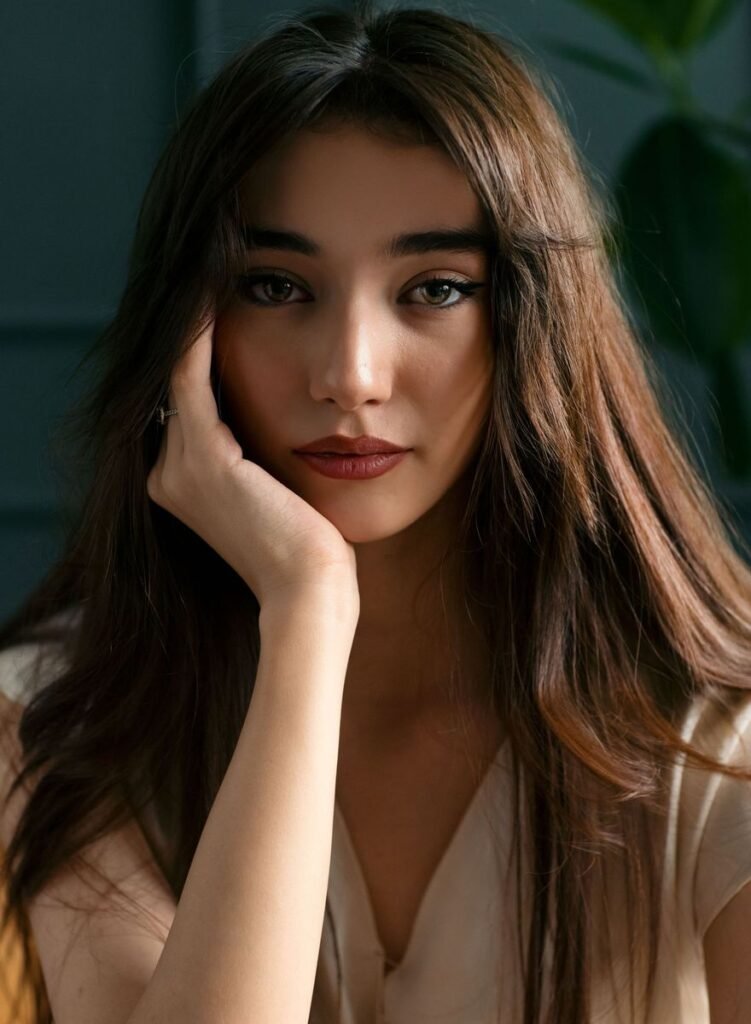
Table of Contents
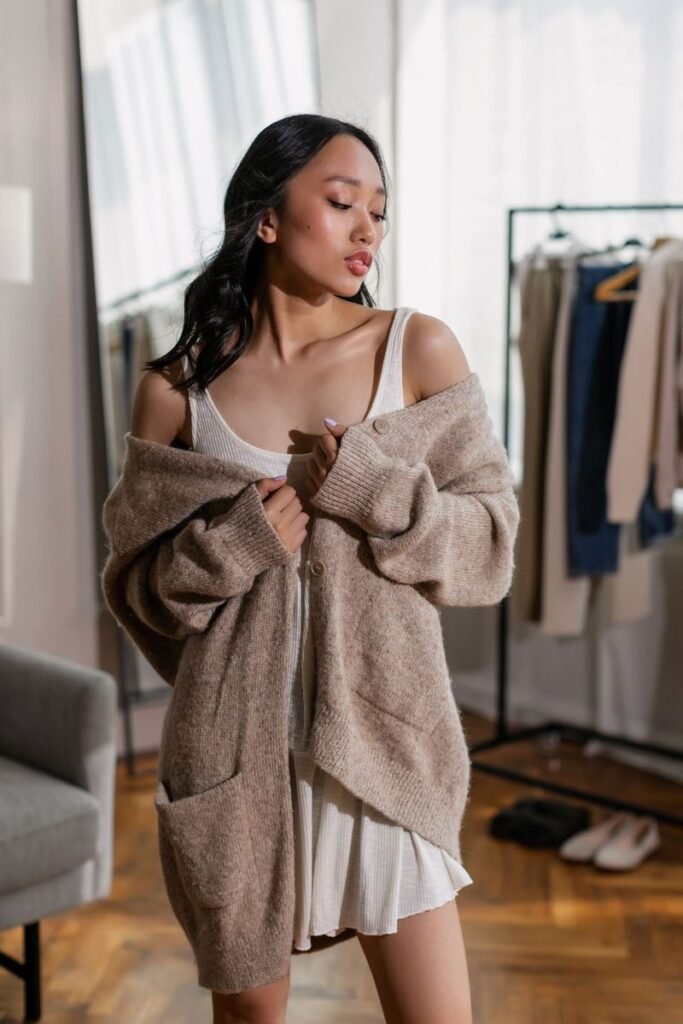
Truffle brunette is the season’s most wearable brown: a soft, multi-tonal brunette named by colourist Melissa Timperley, who blends chocolate, walnut and neutral brown tones so finely that no single highlight shows — like cutting into a chocolate truffle. It is softer and more forgiving than espresso, not as cool as smoky brunette, and it grows out beautifully, which makes it the low-maintenance choice for winter 2026.
Below are 25 truffle brunette hair colour ideas for winter 2026, from warm gold reflections and chocolate-walnut depth to the layered cuts that show the dimension best — plus shine care, grow-out and upkeep, who it suits, and exactly what to ask your colourist.
Key Takeaways
- Truffle brunette is a soft, multi-tonal brown — chocolate, walnut and neutral tones blended so finely that no single highlight shows.
- It is softer and more forgiving than espresso, and warmer than smoky brunette, which makes it the most wearable brown of the season.
- Warm gold and bronze reflections, chocolate-walnut depth and layered cuts are what show the colour’s dimension best.
- Grow-out is low-contrast and low-maintenance: a toner or gloss and a top-up every six to eight weeks is all it needs.
- It suits medium-to-dark brunettes, olive and golden complexions, and anyone growing out balayage.
In This Article
- What Is Truffle Brunette?
- Warm Gold and Bronze Reflections
- Chocolate-Walnut Depth
- Truffle Brunette vs Copper Brunette
- Layered Cuts That Show the Dimension
- Shine and Gloss Care
- Grow-Out and Upkeep
- Who Truffle Brunette Suits
- What to Ask Your Colourist
- Frequently Asked Questions
What Is Truffle Brunette?
Truffle brunette is a soft, multi-tonal brown built from chocolate, walnut and neutral brown tones blended so finely that no single highlight stands out. Colourist Melissa Timperley, who named the shade, describes it as like cutting into a chocolate truffle: layers of brown that melt into one another. The result is a brunette with depth and movement, but without the stripes or contrast of traditional highlights.
1. The Truffle Blend
The blend is the point: fine lowlights and babylights in chocolate, walnut and neutral brown, all within a level or two of your natural colour, so the hair looks multi-tonal rather than highlighted. Ask your colourist for dimension you can feel rather than see — that is the truffle effect. Autumn hair colour round-ups such as Mojeh’s autumn hair colour trends place this kind of soft, blended brunette at the top of the season.
2. Truffle Brunette vs Espresso
Espresso is darker, cooler and more uniform — a deep, almost black brown with a glossy finish. Truffle brunette is lighter, warmer and visibly multi-tonal. If espresso feels too severe on you, truffle is the softer alternative. For a closer look at the darker shade, see our espresso brunette hair colour.
3. Truffle Brunette vs Smoky Brunette
Smoky brunette is cool-toned, with ashy, grey-brown dimension. Truffle brunette is warm-neutral, with chocolate and walnut warmth. Cool complexions often suit smoky; warm and olive complexions usually suit truffle better. See our smoky brunette hair colour to compare the two.
Warm Gold and Bronze Reflections
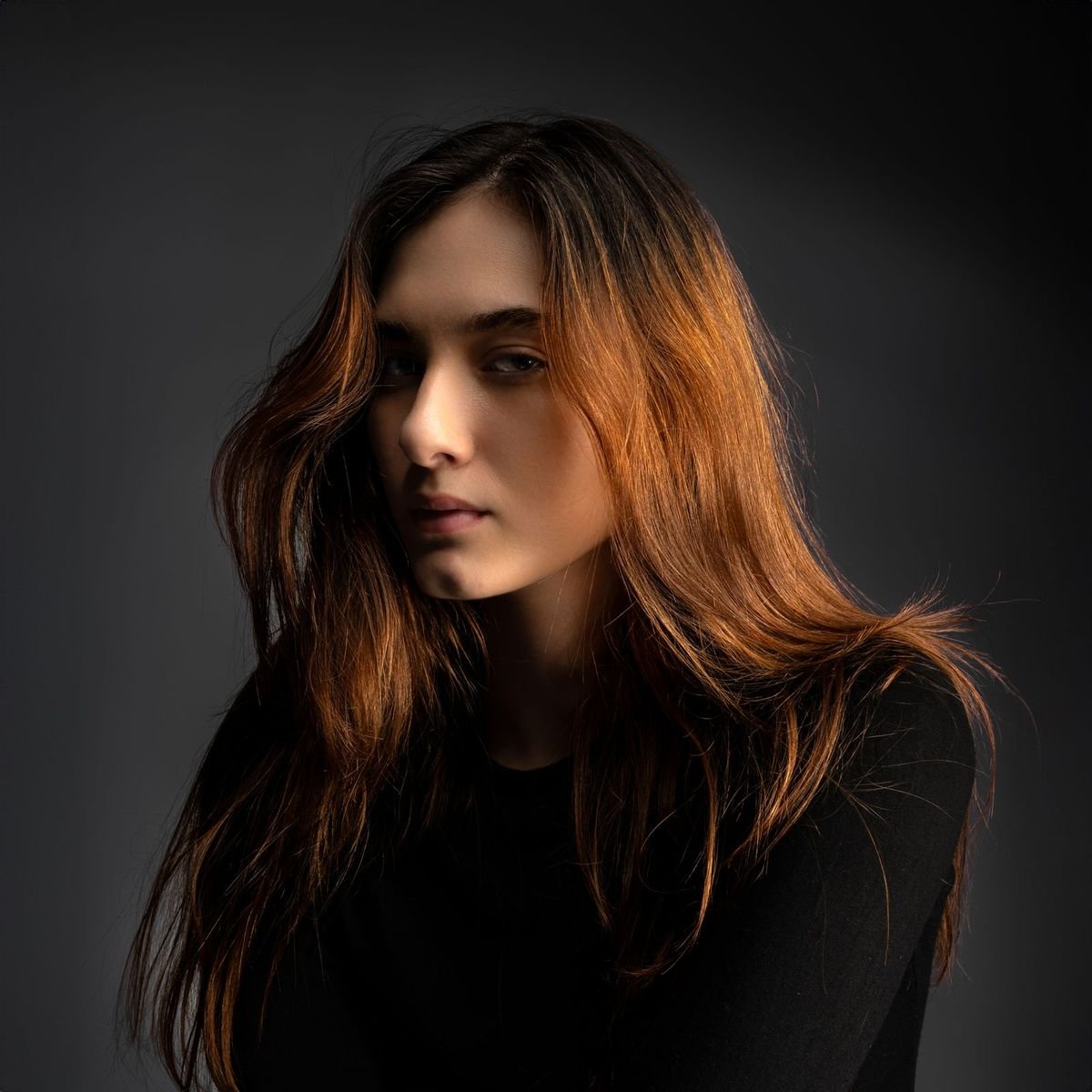
Warm gold and bronze reflections are what stop truffle brunette looking flat. A few fine, warm pieces through the mid-lengths and ends catch the light and give the colour its glow — without turning it blonde.
4. Warm Gold Lights
Fine warm gold lights through the top layers lift the whole colour and flatter golden and olive complexions. Ask for them to be placed where the sun would naturally hit — around the face and through the ends — rather than all over, so the effect stays soft.
5. Bronze Reflections
Bronze is truffle brunette’s richest reflection: a warm, metallic brown that adds depth in low light and glow in bright light. It suits medium-to-dark brunettes best and looks especially good with a bouncy blow-dry, where the movement shows the bronze off.
6. Honeyed Ends
Lightening just the ends with a honey tone gives truffle brunette a sun-kissed finish without a full balayage. The effect is subtle — the ends simply look lighter and warmer than the roots — and it grows out with almost no line at all.
Chocolate-Walnut Depth
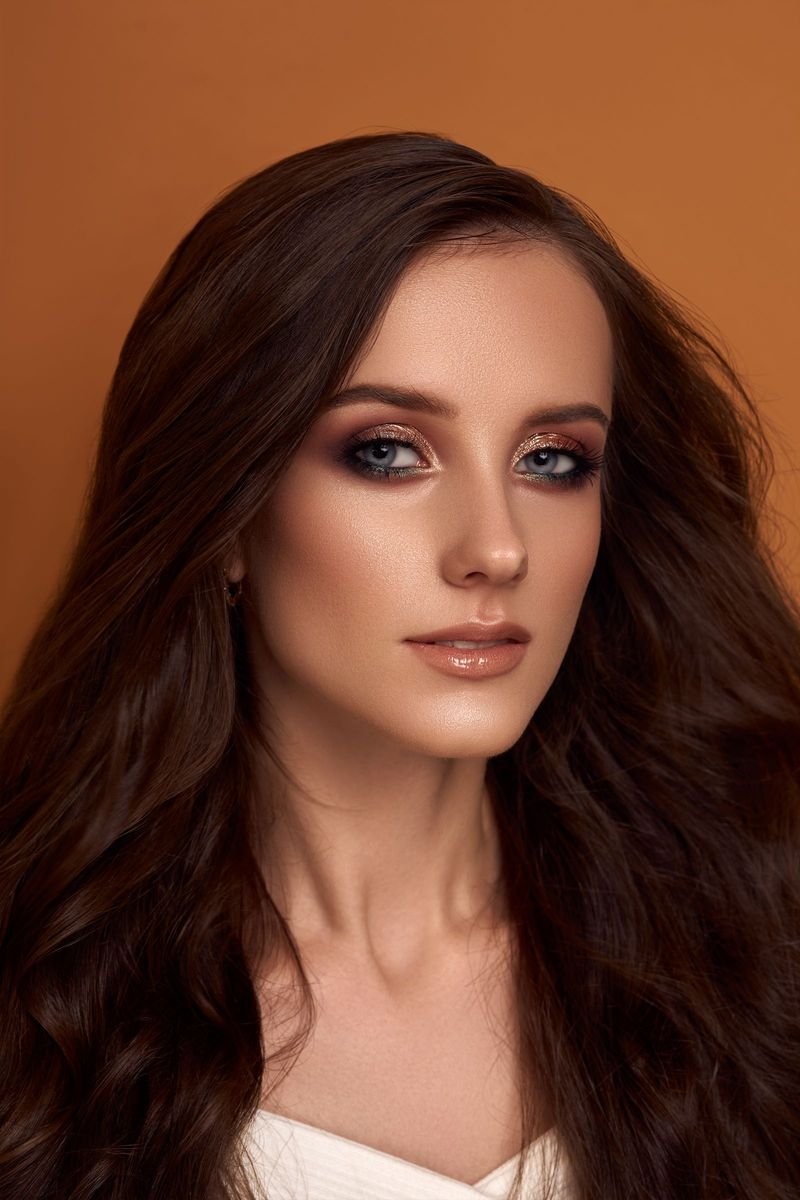
The depth of truffle brunette comes from its base: chocolate and walnut tones layered over a neutral brown, so the hair looks rich in shadow and warm in light. Getting the base right matters more than any highlight — a good truffle starts with a good chocolate-walnut foundation.
7. The Chocolate Base
A chocolate base — a mid-brown with warm undertones — is the foundation of truffle brunette. It should be close to your natural colour, so the grow-out stays soft. For a deeper take on chocolate browns, see our cherry chocolate hair colour.
8. Walnut Lowlights
Fine walnut lowlights woven through the chocolate base create the depth that makes truffle brunette look expensive. Lowlights are darker pieces, not lighter ones, and they give the hair its shadow and dimension. Ask for them to be placed underneath the top layers so the effect is subtle.
9. Neutral Brown Balance
Neutral brown is the balancer: it stops the chocolate from going too warm and the walnut from going too dark. A good colourist will use neutral brown as the in-between tone, so the three shades melt together — that melt is what makes the colour read as truffle rather than highlights.
Truffle Brunette vs Copper Brunette
Copper brunette is truffle’s bolder cousin: the same brunette base, but with copper and auburn tones instead of chocolate and walnut. Both are warm, but they suit different people and different moods.
10. The Copper Contrast
Copper brunette is redder, brighter and more noticeable than truffle brunette. It suits fair skin with warm undertones and anyone who wants their colour to be the first thing people notice. See our copper hair colour ideas for the full range of copper shades.
11. When to Choose Copper Instead
Choose copper if you want warmth with energy — a colour that reads as red-brown in sunlight. Choose truffle if you want warmth with softness — a colour that reads as rich brown in every light. If you are torn, ask your colourist for truffle with a few copper pieces through the front; it is the easiest way to test the warmer direction.
Layered Cuts That Show the Dimension
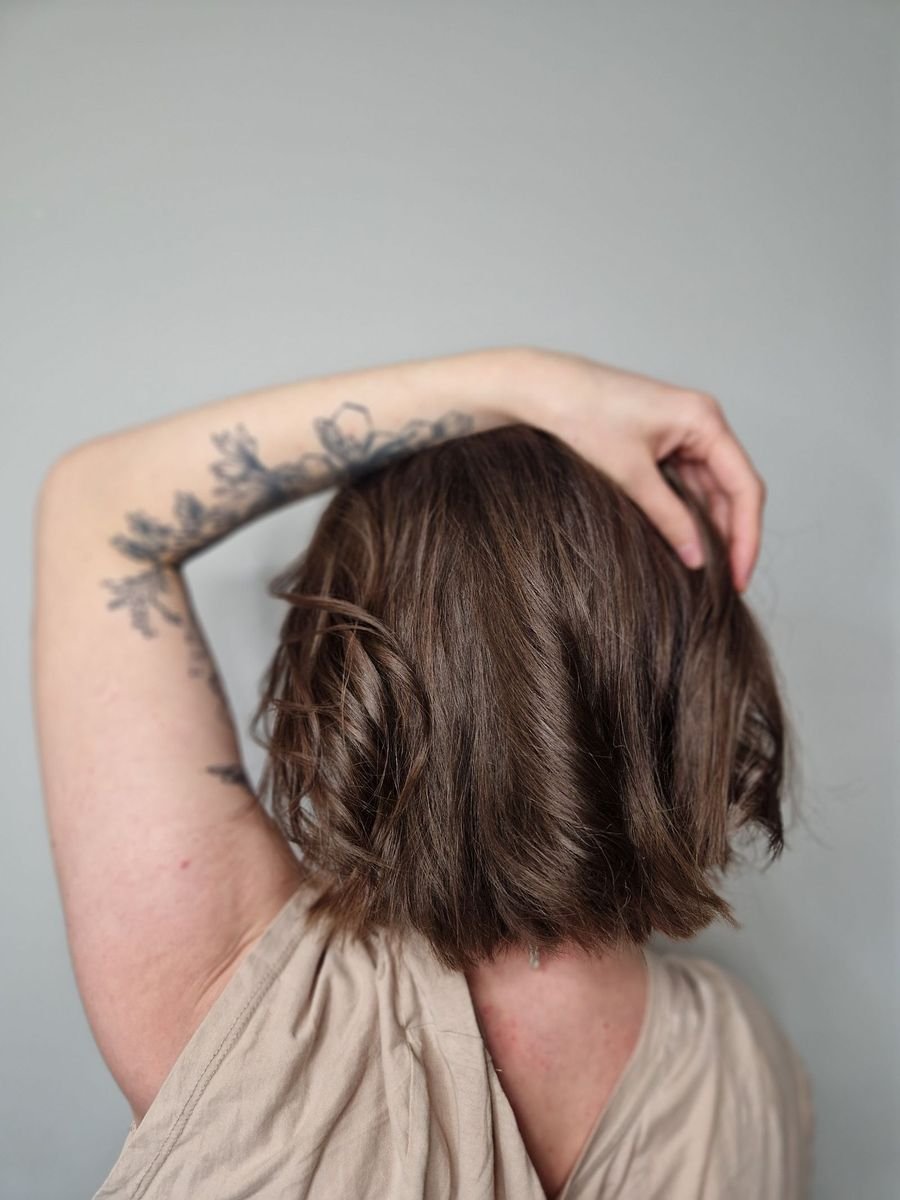
Truffle brunette needs movement to show its dimension. A blunt, one-length cut hides the blend; layers let the different tones catch the light as the hair moves. These are the cuts that show it best.
12. Long Layers
Long layers are the classic partner for truffle brunette: they keep the length while letting the colour move. The layers should start at the cheekbone or below, so the face stays framed and the ends stay full. This is the cut to ask for if you want the colour to do the talking.
13. Face-Framing Layers
Face-framing layers put the warmest pieces exactly where they flatter most — around the face. Ask for the lightest truffle tones to sit in these layers, so the colour brightens your complexion. It is the most flattering version of the colour for round and square face shapes.
14. Bouncy Blow-Dry Layers
Layers cut for a bouncy blow-dry — shorter at the front, longer at the back — give truffle brunette its most glamorous finish. The bounce shows off the chocolate and walnut tones with every movement, and the style holds well for two or three days with a little dry shampoo at the roots.
Related: For a lighter take on blended brunette, see our black cherry hair colour.
Shine and Gloss Care
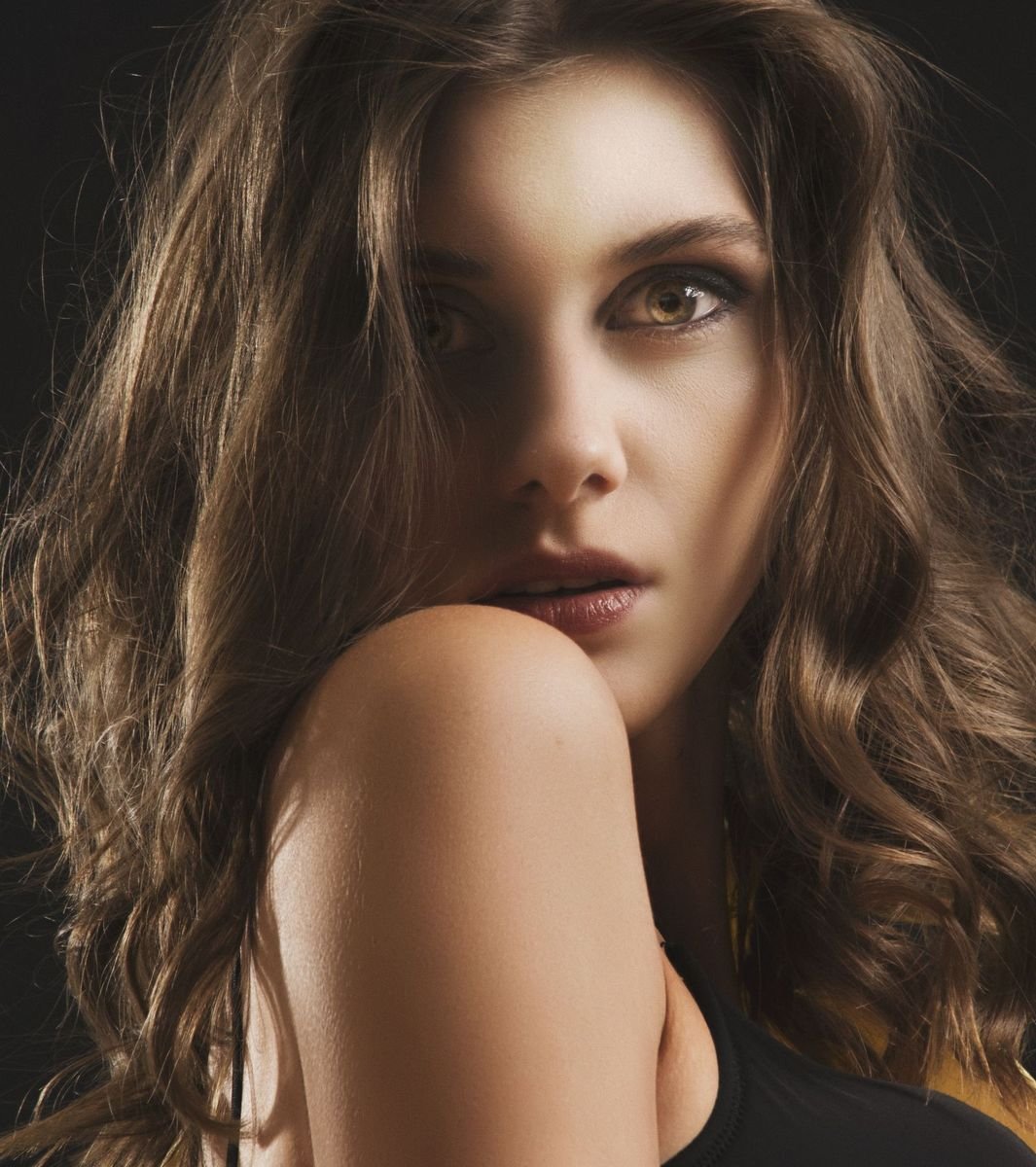
Truffle brunette lives or dies by its shine. The blended tones only read as expensive when the hair is glossy and healthy — dull hair makes the blend disappear. A little regular care keeps the colour looking salon-fresh between appointments.
15. The Gloss Treatment
A gloss treatment is the single best thing you can do for truffle brunette: it seals the cuticle, boosts shine and refreshes the warm tones in one appointment. Glaze Supergloss Color Conditioning Hair Gloss in Chocolate Gleam, available at Boots, is a good at-home option between salon visits — it adds shine and a whisper of chocolate tone.
16. Shine Shampoo and Conditioner
Use a colour-safe, shine-boosting shampoo and conditioner, and wash in lukewarm rather than hot water — hot water opens the cuticle and fades the warm tones faster. A weekly hair mask keeps the ends smooth and the colour reflective. Autumn hair colour guides such as Woman and Home’s autumn hair colour ideas for 2026 all stress the same point: gloss care is what keeps blended brunettes looking expensive.
17. Heat Protection
Always use a heat protectant before straightening or curling — heat damage roughens the cuticle and kills the shine that truffle brunette depends on. Keep irons at a medium temperature and limit heat styling to two or three times a week, letting the hair air-dry when you can.
Grow-Out and Upkeep
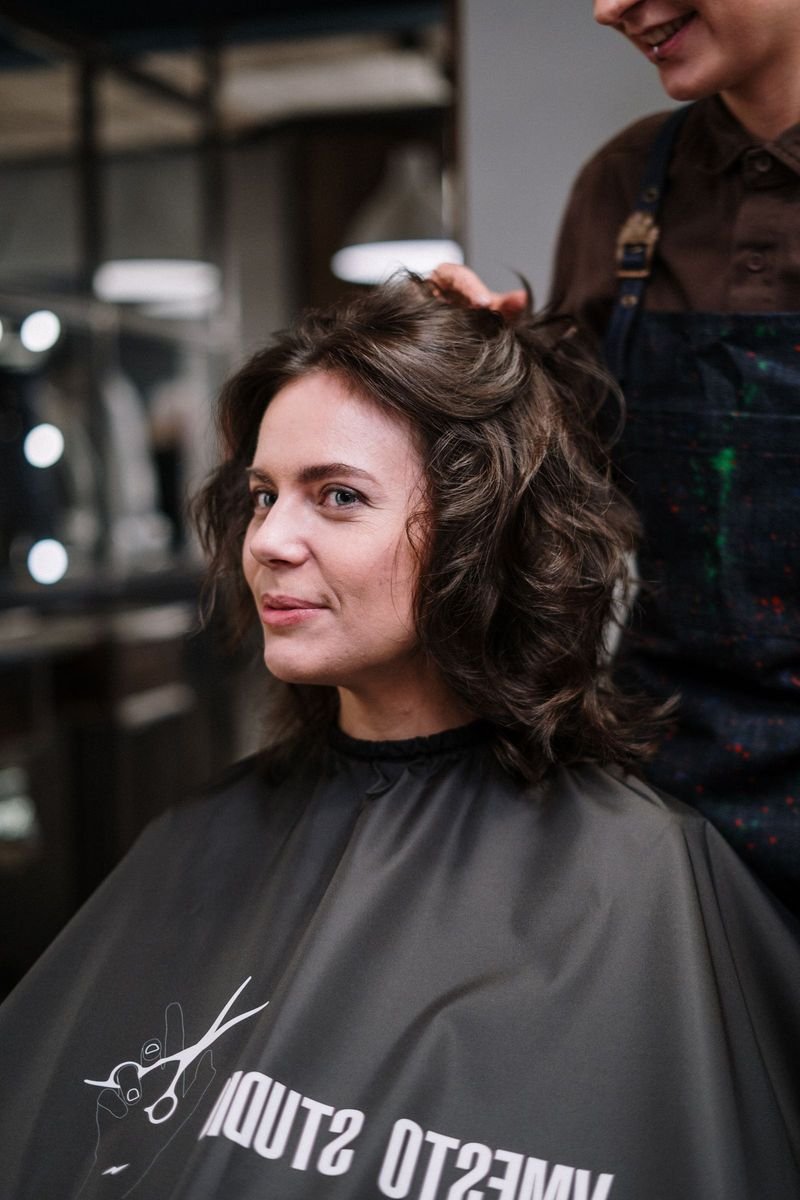
Low-maintenance grow-out is truffle brunette’s greatest strength. Because the colour sits close to your natural shade and the dimension is fine and blended, the regrowth line is soft — you can stretch appointments further than with almost any other colour.
18. The Low-Contrast Grow-Out
Because truffle brunette stays within a level or two of your natural colour, the roots grow in with almost no visible line. Most people can go eight to ten weeks between colour appointments — roughly twice as long as with high-contrast highlights. It is the ideal colour if you want to visit the salon less often.
19. Toner Refreshes
A toner every four to six weeks keeps the warm tones true and stops the colour going brassy or dull. A toner appointment is quicker and cheaper than a full colour — usually 20 to 30 minutes — and it refreshes the shine at the same time. Book it between full colour appointments.
20. Six-to-Eight-Week Top-Ups
Plan a colour top-up every six to eight weeks: a root touch-up, a gloss and a refresh of the fine lowlights and babylights. That rhythm keeps the blend looking intentional rather than grown out, and it is far less demanding than the four-week cycle that high-contrast colour needs.
Who Truffle Brunette Suits
Truffle brunette is one of the most forgiving hair colours there is, but it suits some people particularly well. These are the three groups who get the most from it.
21. Medium-to-Dark Brunettes
If your natural colour is medium to dark brown, truffle brunette enhances what you already have rather than changing it. The blend adds dimension without a visible regrowth line, which makes it the easiest colour to live with. For a lighter blended option, see our teddy bronde hair colour.
22. Olive and Golden Complexions
Olive and golden complexions suit truffle brunette beautifully: the warm chocolate and walnut tones pick up the warmth in the skin instead of fighting it. If cool ash browns have ever made you look tired, truffle’s warmth is likely to suit you far better.
23. Growing Out Balayage
Truffle brunette is the ideal colour for growing out balayage: the blended, low-contrast tones disguise the old balayage line while the roots grow in. Ask your colourist to blend the existing lighter ends into the truffle rather than colouring over them completely, so the transition looks intentional.
What to Ask Your Colourist
Take a reference photo to your appointment and use the right words: truffle brunette is still a new name, so not every colourist will know it yet. These two requests cover the essentials.
24. Fine Lowlights and Babylights
Ask for fine lowlights and babylights in chocolate, walnut and neutral brown, all within a level or two of your natural colour. The pieces should be fine — pencil-thin rather than chunky — so the blend stays seamless and no single highlight shows.
25. A Warm-Neutral Gloss
Finish with a warm-neutral gloss rather than an ash toner. The gloss seals the colour, adds shine and keeps the chocolate and walnut tones warm. A warm-neutral gloss treatment every four to six weeks is all the maintenance the colour needs between full appointments.
Frequently Asked Questions
What is truffle brunette hair colour?
Truffle brunette is a soft, multi-tonal brown named by colourist Melissa Timperley, blending chocolate, walnut and neutral brown tones so finely that no single highlight shows — like cutting into a chocolate truffle.
How is truffle brunette different from espresso brunette?
Espresso is darker, cooler and more uniform, while truffle brunette is lighter, warmer and visibly multi-tonal. Truffle is the softer, more forgiving of the two and grows out more gently.
Does truffle brunette suit warm skin tones?
Yes — it suits olive and golden complexions particularly well, because the warm chocolate and walnut tones pick up the warmth in the skin. It also suits medium-to-dark brunettes and anyone growing out balayage.
How often does truffle brunette need a top-up?
A colour top-up every six to eight weeks, with a toner or gloss refresh every four to six weeks in between. Because the grow-out is low-contrast, most people can stretch to eight to ten weeks between colour appointments.
What should I ask my colourist for?
Ask for fine lowlights and babylights in chocolate, walnut and neutral brown, all within a level or two of your natural colour, finished with a warm-neutral gloss. Bring a reference photo, since the name is still new.
How much does truffle brunette cost at a salon?
A full truffle brunette colour at a UK salon typically costs between £80 and £180 depending on the salon, your location and your hair length, with toner or gloss refreshes costing considerably less. Allow two to three hours for the first appointment.
Can I get truffle brunette on grey hair?
Yes — the blended chocolate and walnut tones cover grey well, and the multi-tonal finish disguises regrowth better than a single flat colour. Ask your colourist for a permanent base with blended lowlights and babylights on top.
About Business Outstanders
Business Outstanders is a UK fashion and lifestyle publication. Our editorial team researches seasonal trends, checks retailer availability and tests styling ideas, so readers can shop and dress with confidence.