HowtoCutaPixieCut:20Styles,TipsandSalonAdvicefor2026
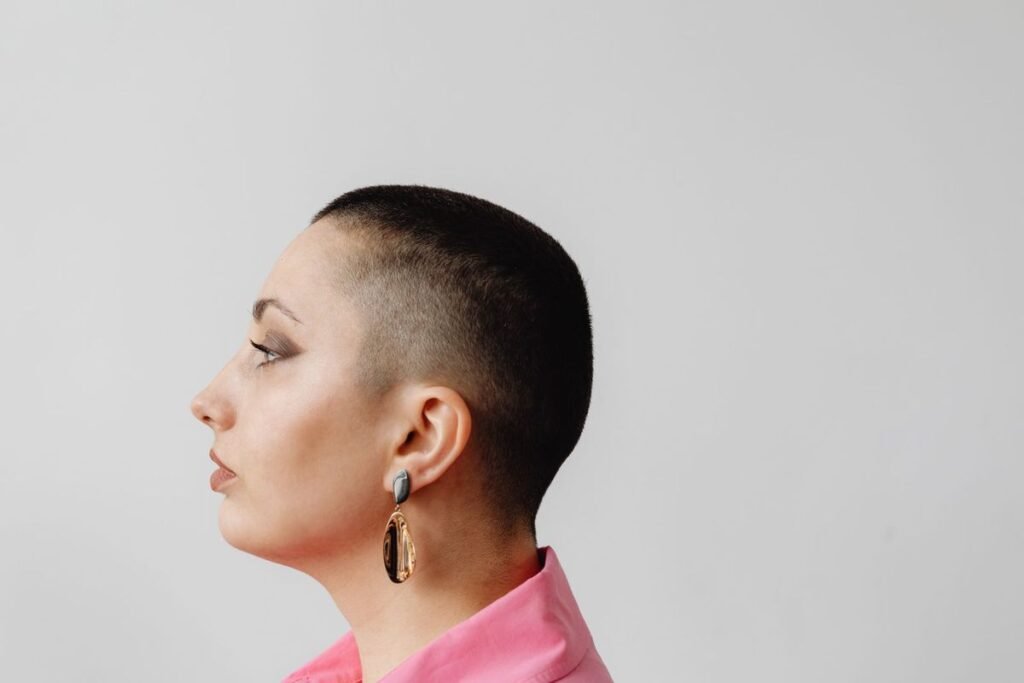
Table of Contents
A pixie cut is one of the most transformative haircuts you can choose. Done well, it opens up the face, shows off cheekbones and earrings, dries in minutes, and feels liberating. Done without proper planning, it can also be a shock, because short hair cannot be tucked behind the ears or tied back while you wait for it to grow.
That is why this guide starts with an important message: a pixie cut is best cut by a professional stylist, especially for the first time. Cutting your own hair carries real risk. Short cuts leave no margin for error, uneven sections are immediately visible, and a mistake can take months to grow out. The advice here is therefore framed around preparation, consultation and maintenance trims between salon visits, rather than presenting home cutting as easy or risk-free.
Key Takeaways
- Book a salon consultation before your first pixie cut, and bring reference photos showing the exact length, fringe and texture you want.
- Face shape matters: pixies can suit every face shape, but the fringe length, volume and side-swept balance should be adapted to yours.
- Cutting your own pixie carries real risk and is not recommended for a first pixie; salon cutting gives an even shape, proper blending and advice on grow-out.
- Pixie cuts need trims every 4 to 6 weeks to keep their shape; budget for regular maintenance before committing.
- Grow-out is manageable with the right plan: regular shaping trims, headbands, clips and texture products ease each awkward stage.
In This Article
- Before You Cut: Salon Consultation and Safety Advice
- 20 Pixie Cut Styles for 2026
- Choosing a Pixie for Your Face Shape
- What to Ask Your Stylist
- Maintenance, Styling and Grow-Out
- Common Pixie Mistakes to Avoid
- Frequently Asked Questions
Before You Cut: Salon Consultation and Safety Advice
A consultation is not an optional extra for a pixie cut; it is the most important part of the appointment. A good stylist will assess your hair texture, density, growth patterns, cowlicks and face shape, and will tell you honestly which pixie lengths will work and which will fight your natural hair. Bring three to five photos of pixies you like, plus one photo of a style you do not want, so the stylist can see the boundaries clearly.
Discuss maintenance honestly. A pixie that looks effortless in a photograph may need daily styling, a specific product, or trims every four weeks. Ask how long styling will take each morning, what products you will need, and how the cut will grow out over two to three months. If the maintenance does not fit your lifestyle, a longer pixie or a bixie may be a better first step. For a longer short-cut alternative, explore bixie cut styles for women.
On home cutting, be clear-eyed about the risk. Pixie cutting requires sectioning, blending and symmetry that are difficult to achieve on your own head, especially at the back. An uneven pixie cannot be hidden easily, and correcting it often means cutting shorter still. If you do trim between salon visits, limit yourself to a tiny fringe trim with proper hair scissors on clean, dry hair, and stop immediately if anything looks uneven. Never use kitchen or craft scissors, never cut wet hair shorter than you intend, and never attempt a full pixie cut on yourself without professional training.
Cost is also worth planning. In the UK in 2026, a salon pixie cut typically costs from around £30 to £80 depending on location and stylist level, with London salons often higher. Trims every 4 to 6 weeks should be factored into the annual cost, alongside styling products such as a light wax, texture spray or pomade.
20 Pixie Cut Styles for 2026
Classic and Timeless Pixies
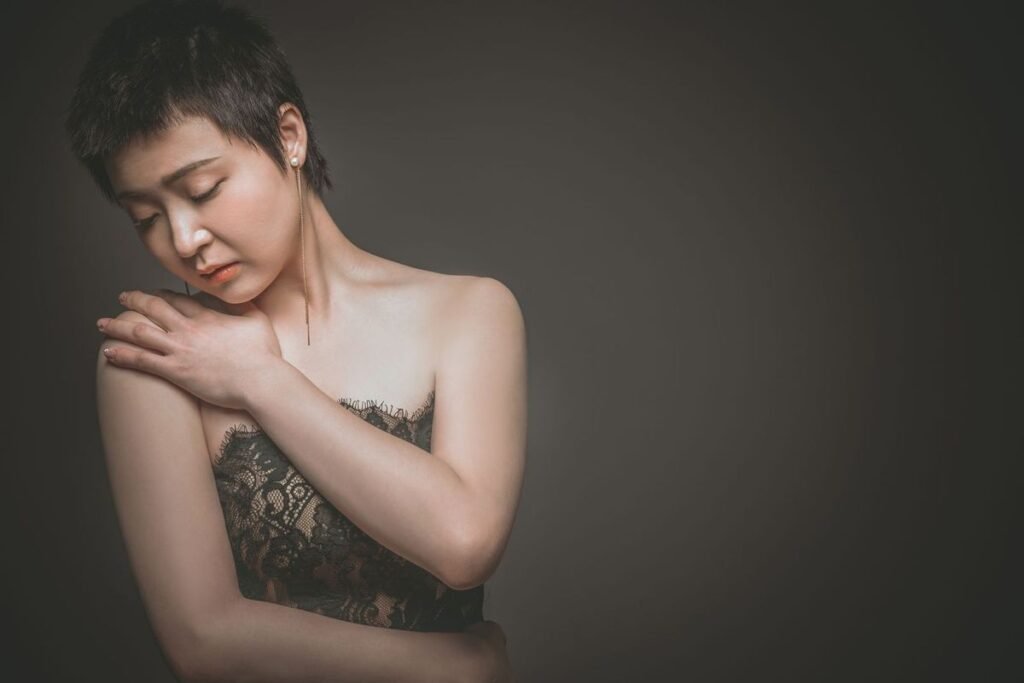
- The classic short pixie. Neat sides, a slightly longer top and a soft side fringe. This is the most versatile pixie, suitable for work, weddings and everyday wear. It suits straight and slightly wavy hair best and needs minimal styling.
- The textured pixie. Choppy layers through the top create movement and volume. This style suits fine hair because the layers make it look thicker, and it works well with a small amount of texture spray or wax.
- The side-swept pixie. A long side fringe sweeps across the forehead and softens the face. This is an excellent choice if you are nervous about a very short cut, because the longer fringe keeps some familiar length around the face.
- The sleek pixie. Smooth, polished and close to the head, with a neat side parting. This style looks elegant for formal occasions and pairs beautifully with statement earrings. It needs a smoothing product and a regular trim to keep its sharp line.
- The soft pixie with a wispy fringe. A gentle, feathered fringe and soft layers create a feminine, low-maintenance pixie. This suits women who want short hair without a severe or edgy finish.

Modern, Edgy and Fashion-Forward Pixies
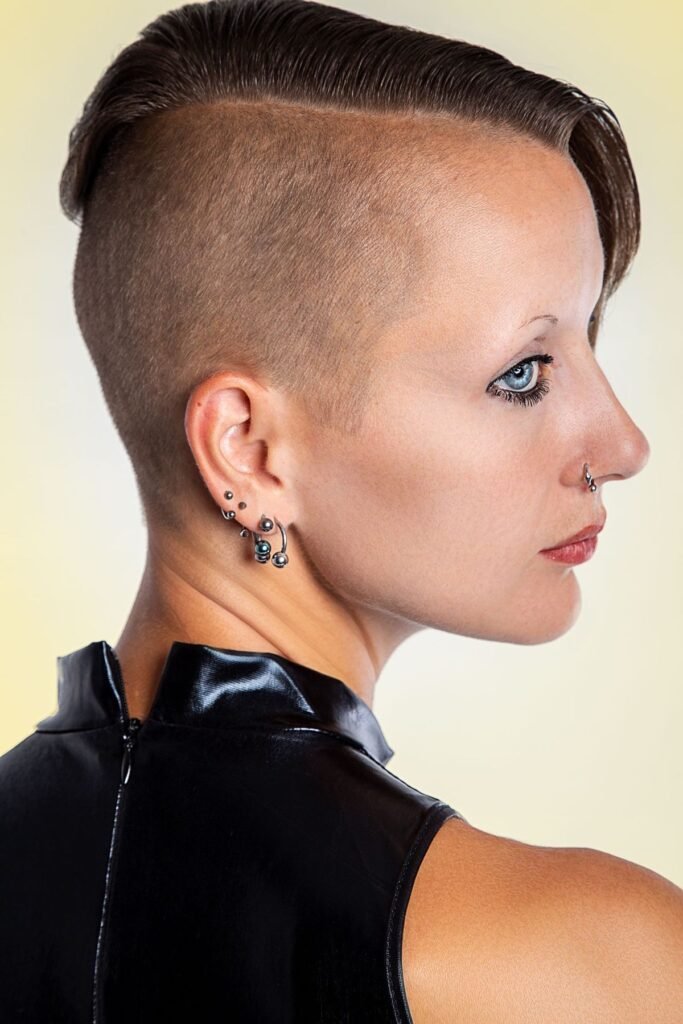
- The undercut pixie. One side or the nape is cut very short or shaved, while the top stays longer. This is bold and modern, but it needs frequent upkeep to keep the undercut sharp. Discuss regrowth with your stylist before choosing this option.
- The asymmetrical pixie. One side is longer than the other, creating a dramatic, fashion-led shape. This style photographs beautifully but needs precise cutting, which is another reason to choose a salon over a home cut.
- The spiky pixie. Short, piecey layers styled upwards with wax create a playful, confident look. This suits thick hair and strong features, and it is one of the quickest pixies to style in the morning.
- The pixie with a faded nape. A soft fade at the nape keeps the neckline neat and extends the time between trims slightly. This is a practical choice for women who dislike hair touching the neck.
- The platinum pixie. A classic pixie shape in platinum blonde or silver makes a striking statement. Colour maintenance is significant: root touch-ups every 4 to 6 weeks and purple shampoo to prevent brassiness. Budget for colour upkeep as well as cutting.
Pixies for Texture, Age and Lifestyle
- The curly pixie. Natural curls are left longer on top and shaped to enhance curl pattern rather than fight it. This style needs a stylist experienced with curly hair and a curl cream rather than heavy wax. Never let a stylist thin curly hair aggressively without discussing the result first.
- The wavy pixie. Soft waves through the top give a relaxed, romantic pixie that suits many face shapes. A sea salt spray or light mousse enhances the wave without weighing it down.
- The pixie bob blend. Longer than a classic pixie but shorter than a bob, this transitional cut is ideal if you are moving from long hair to short in stages. It is also the easiest pixie to grow out. For bob inspiration, see bob hairstyles for women.
- The pixie for fine hair. Short layers, a textured top and a side fringe create the illusion of thickness. Avoid heavy products that flatten fine hair, and ask your stylist to avoid over-thinning.
- The pixie for thick hair. Thick hair needs careful layering and texturising to remove bulk without creating frizz. A skilled stylist will shape thick hair so it sits neatly rather than growing outwards.
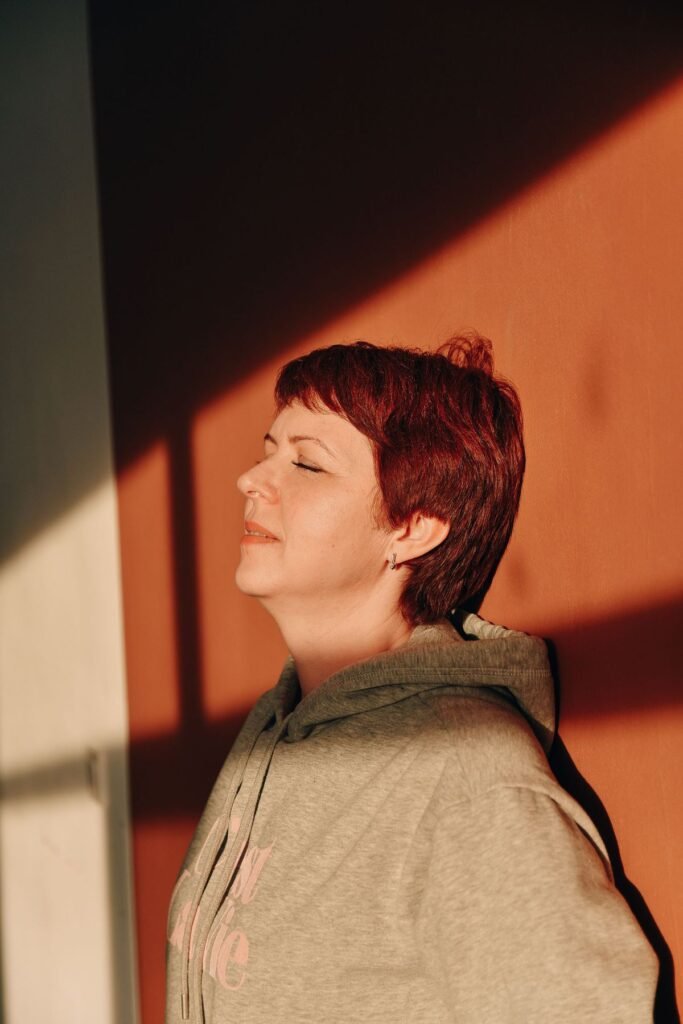
- The over-40s pixie. A soft, layered pixie with a side fringe is flattering and modern at any age. It opens up the face, works with grey or coloured hair, and needs less daily heat styling than longer cuts. The key is softness around the face rather than severe lines.
- The low-maintenance pixie. A slightly longer pixie with minimal layering can be washed, towel-dried and left to air-dry with a little product. This suits busy lifestyles and women who do not want a daily styling routine.
- The pixie with curtain bangs. Curtain bangs blended into a pixie soften the forehead and frame the eyes. This style bridges pixie and shag influences and suits women who like face-framing layers. Styling guidance for curtain fringes is here: how to style curtain bangs.
- The shaggy pixie. Inspired by the shag cut, this pixie has lots of texture, a tousled finish and a relaxed fringe. It suits wavy hair and a casual style, and it grows out more gracefully than a very precise pixie. Related shag ideas are in shag haircuts for women.
- The grown-out pixie. This is not a single cut but a planned stage: a pixie deliberately shaped towards a bixie or bob over several months. Regular shaping trims keep it looking intentional rather than simply overgrown, which makes the grow-out period far easier.
Related: hairstyles for round faces
Choosing a Pixie for Your Face Shape
Pixies can suit oval, round, square, heart and long faces, but the details should change. Oval faces suit most lengths. Round faces benefit from height on top and a side-swept fringe. Square faces suit soft, textured pixies that soften the jawline. Heart-shaped faces suit volume at the nape or jaw to balance a narrower chin. Long faces suit a fuller fringe and width at the sides, rather than excessive height on top.
Your stylist should assess this in person. A photo on a different face shape and hair texture will not translate exactly, so trust the consultation over the photograph. Texture matters as much as face shape: fine hair needs layering for volume, thick hair needs texturising for control, and curly hair needs curl-aware cutting.
For visual inspiration across face shapes, Byrdie hair guides show pixie cuts on a range of textures and face shapes, which can help you build a realistic reference folder for your consultation.
What to Ask Your Stylist
Ask how short the back and sides will be, how long the top and fringe will be left, and how the cut will be blended. Ask what products you will need, how long morning styling will take, how often you will need trims, and what the grow-out plan would be if you change your mind.
Also ask about colour if you are considering a change at the same time. Many stylists recommend cutting first, living with the shape for two weeks, then deciding on colour. Finally, ask for a styling lesson at the end of the appointment: a five-minute demonstration will make the first week at home far easier.
Maintenance, Styling and Grow-Out
Pixie maintenance is regular but quick. Most pixies need a trim every 4 to 6 weeks to keep their shape. Between trims, wash with a shampoo suited to your hair type, use a light conditioner mainly on the longer top sections, and avoid heavy oils that flatten short hair.
Daily styling usually takes 5 to 10 minutes. Towel-dry, apply a pea-sized amount of wax, pomade or texture spray, and shape with your fingers or a small brush. A hairdryer on a low setting can add volume at the roots. Avoid high heat every day, as short hair shows heat damage quickly and has less length to trim away.
Grow-out needs a plan, not patience alone. Book shaping trims every 6 to 8 weeks during grow-out, so the back and sides do not grow into a mullet shape while the top catches up. Headbands, clips and texture products help through awkward stages, and a bixie is often the natural next step. Salon advice from ELLE beauty stresses the same point: short cuts reward regular maintenance.
Common Pixie Mistakes to Avoid
The biggest mistake is cutting a pixie impulsively without a consultation, especially at home. Short hair is unforgiving, and a rushed decision can lead to months of grow-out. Take a week to gather references, book a consultation, and think about maintenance before committing.
Another mistake is choosing a pixie solely from a celebrity photograph without considering your own texture, density and lifestyle. A style that needs daily heat styling and fortnightly trims will disappoint if you wanted a wash-and-go cut.
Finally, avoid over-styling with heavy products. Short hair needs very little product. Start with a pea-sized amount and add more only if needed. Heavy wax or gel can make a pixie look greasy and flat, especially on fine hair.
Frequently Asked Questions
Should I cut my own pixie cut at home?
It is not recommended, especially for a first pixie. Home cutting carries a high risk of uneven sections, poor blending and a shape that is difficult to correct without cutting shorter. Book a salon consultation and a professional cut, and limit home work to tiny fringe trims between visits if your stylist shows you how.
How much does a pixie cut cost in the UK?
A salon pixie cut typically costs from around £30 to £80 in 2026, depending on location and stylist level, with London salons often higher. Budget also for trims every 4 to 6 weeks and basic styling products.
How often do pixie cuts need trimming?
Every 4 to 6 weeks to keep the shape sharp. Longer, softer pixies can stretch to 6 to 8 weeks, while undercuts and faded napes need trims closer to every 4 weeks.
Will a pixie suit a round face?
Yes, with the right details. Choose height on top, a side-swept fringe and texture rather than a very round, bowl-like shape. A stylist can adapt the pixie to lengthen and balance a round face.
How long does it take to grow out a pixie?
Growing a pixie to a bob typically takes 6 to 12 months, depending on your starting length and hair growth rate. Regular shaping trims during grow-out keep the shape intentional and avoid awkward stages.
What products do I need for a pixie cut?
Most pixies need only two or three products: a light wax or pomade for definition, a texture spray for volume, and a heat protectant if you use a dryer. Avoid heavy oils and thick creams that flatten short hair.
Can I get a pixie if I have curly hair?
Yes. A curly pixie can look beautiful when cut by a stylist experienced with curls. The top should be left longer to show curl pattern, and thinning should be discussed carefully to avoid frizz.
Is a pixie cut high maintenance?
It is low in daily styling time, usually 5 to 10 minutes, but higher in salon maintenance, with trims every 4 to 6 weeks. Consider both factors before committing, and discuss a longer pixie if frequent trims do not suit your budget or schedule.
Business Outstanders editorial team: Our editors cover women’s hair, beauty and salon guidance for readers in the UK, US and Canada. We research current salon practice and real styling options so every guide reflects advice you can actually use, with safety and suitability in mind.