
- Act quickly to reduce risk
- Contact your card provider immediately
- Review recent transactions carefully
- Understand your legal protection in the UK
- Monitor your account after reporting the loss
- Update your recurring payments
- Practical steps to protect your account
- Prevent future card security problems
- Stay calm and follow the process
- Frequently Asked Questions
Act quickly to reduce risk
Losing a credit or debit card can be stressful, but acting quickly can limit financial damage. The first step is to confirm whether the card is actually lost or simply misplaced. Check recent places you visited, your wallet, bags, or digital payment apps where the card might still be saved.
If you cannot locate the card, assume it could be at risk and take action immediately. In the UK, banks and card providers have procedures for reporting lost or stolen cards and preventing further transactions. Contact your card provider as soon as possible through their official phone number or mobile banking app.
Contact your card provider immediately
Most UK banks offer 24-hour support for lost or stolen cards. Once you report the issue, the provider will normally block the card to prevent additional purchases or withdrawals. A replacement card can then be issued with a new number and security code.
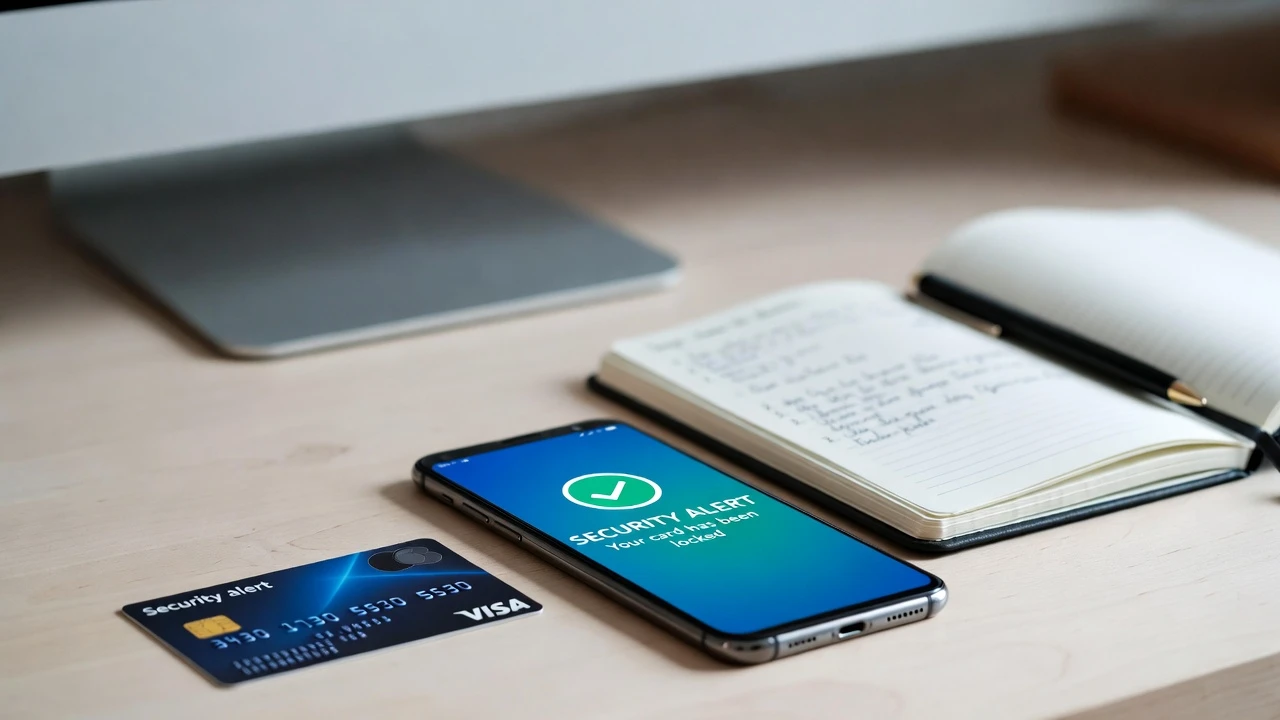
Many banking apps also allow you to freeze your card instantly. This temporary freeze stops new payments while you check whether the card is truly missing. If you later find the card, you may be able to unfreeze it through the same app.
Under consumer protection rules overseen by the Financial Conduct Authority, card providers must help customers limit unauthorised transactions and investigate fraud claims.
Review recent transactions carefully
After reporting the loss, check your recent transactions for any payments you do not recognise. Look at both pending and completed transactions on your account statement. Fraudulent payments sometimes appear small at first, as criminals test whether the card is active. Credit Card Eligibility Checker.
If you notice suspicious charges, report them to your card provider immediately. Most banks will begin a fraud investigation and may refund unauthorised transactions once the review is completed. Keeping records of dates, amounts, and locations can help speed up the process.
Understand your legal protection in the UK
UK cardholders benefit from several consumer protections. For example, purchases made with a credit card between £100 and £30,000 may be covered under Section 75 of the Consumer Credit Act if something goes wrong with a transaction.
In cases of unauthorised card use, banks generally refund fraudulent payments once they confirm the cardholder did not approve them. However, customers are expected to report the loss as soon as possible and take reasonable care of their card details.
Monitor your account after reporting the loss
Even after your card has been blocked, it is wise to monitor your account activity for several weeks. Some transactions made before the card was cancelled may appear later as pending payments are processed.
Using mobile banking alerts or email notifications can help you track activity in real time. If you notice anything unusual, contact your bank again and provide updated information.
Update your recurring payments
Many people use their cards for subscriptions or automatic payments such as streaming services, transport apps, or online memberships. When your card number changes, these services may fail to process payments until you update your details.
Check your list of recurring payments and update them once your replacement card arrives. This prevents service interruptions and avoids late payment charges from providers.
Practical steps to protect your account
Here is a quick summary of recommended actions:
| Freeze or block the card | What to Do | Why It Matters |
|---|---|---|
| Confirm loss | Check bags, wallet, and recent locations | Avoid cancelling a card unnecessarily |
| Contact bank | Report the card lost or stolen immediately | Prevent further transactions |
| Freeze or block card | Use banking app or phone support | Stops new purchases quickly |
| Review transactions | Look for unfamiliar payments | Identify possible fraud early |
| Update subscriptions | Change payment details for services | Prevent failed payments |
Prevent future card security problems
Although losing a card can happen to anyone, a few simple habits can reduce risk. Keep your card in a secure place and avoid sharing card details with unverified websites. When paying online, check that the website uses secure payment processing.
You can also enable transaction notifications in your banking app. These alerts help you spot unusual payments quickly and respond before a situation becomes more serious.
Using strong passwords for banking apps and avoiding public Wi-Fi for financial transactions can further improve security.
Stay calm and follow the process
Losing a card does not automatically mean you will lose money. UK banking regulations and consumer protection rules provide safeguards for cardholders. The most important step is to act quickly, report the loss, and monitor your account activity.
By staying organised and communicating with your bank promptly, you can resolve the situation and continue using your finances safely once your replacement card arrives.
Frequently Asked Questions
What should I do immediately if my credit card is lost in the UK?
You should contact your bank or card provider as soon as possible to report the loss. Most providers allow you to block the card through mobile banking or by calling their support line. Acting quickly helps prevent unauthorised transactions.
Am I responsible for fraudulent transactions on a lost card?
In many cases, UK banks refund unauthorised payments once they confirm the transaction was fraudulent. However, you must report the loss promptly and show that you took reasonable care to protect your card details.
Can I temporarily freeze my card if I think I misplaced it?
Yes. Many banking apps allow you to freeze your card instantly. This blocks new transactions while you search for the card. If you find it later, you may be able to unfreeze it through the app.
How long does it take to receive a replacement card in the UK?
Most banks send a replacement card within 3–7 working days. Some providers may offer faster delivery depending on the situation or the type of account you have.
Will losing my card affect my credit score?
No. Losing a card itself does not affect your credit score. Your credit file is mainly influenced by repayment behaviour, credit utilisation, and account history reported to credit reference agencies like Experian and Equifax.