
Introduction
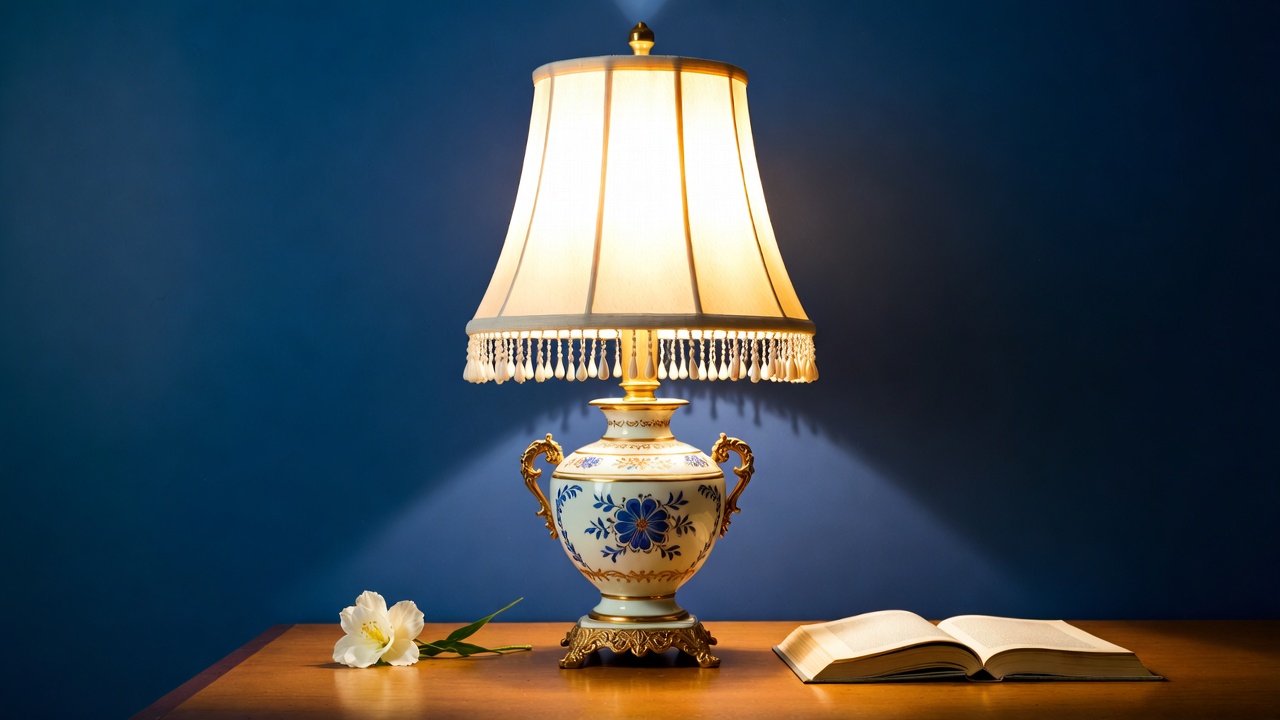
A Victorian lamp is a classic lighting fixture that reflects the elegance and craftsmanship of the 19th-century Victorian era. Known for its detailed design, rich materials, and decorative appeal, the Victorian-style lamp remains a popular choice for those who love traditional and vintage interiors. These lamps were originally created to provide functional lighting, but over time, they became symbols of luxury and refined taste.
Today, Victorian lamps are valued both as decorative pieces and practical lighting solutions. Whether used as an antique lamp in a period home or a vintage Victorian lamp in modern décor, they continue to showcase the beauty of Victorian era lighting styles. Their timeless charm and artistic detail make them a favorite among collectors, interior designers, and homeowners alike.
What Is a Victorian Lamp?
A Victorian lamp is a lighting fixture that originated during the Victorian era (1837–1901), a time known for ornate design and high-quality craftsmanship. These lamps were created not only to illuminate homes but also to enhance interior beauty. A Victorian style lamp typically features decorative details, curved shapes, and rich finishes that reflect the artistic taste of the period.
Victorian lamps were commonly used in living rooms, bedrooms, and hallways, serving both practical and decorative purposes. When people ask what is a Victorian lamp, the answer lies in its unique combination of function and elegance. Unlike modern lighting, Victorian lamps emphasize artistry, making them ideal for traditional lighting setups and classic home décor.
History of Victorian Lamps
The history of Victorian lamps dates back to the 19th century during the reign of Queen Victoria. This period was marked by industrial growth, artistic innovation, and a strong focus on home décor. Lighting played an important role in Victorian households, and lamps were designed to be both functional and visually impressive. Early Victorian era lighting styles reflected wealth, status, and refined taste.
During the early Victorian period, lighting relied mainly on oil and gas. Victorian oil lamps were widely used before electricity became common. As technology advanced toward the late Victorian era, electric lighting began to appear, leading to the creation of early electric Victorian lamps. These developments helped shape the classic antique Victorian lamp history that collectors value today.
How Victorian Lamps Were Made
Understanding how Victorian lamps were made helps explain their lasting appeal. Most lamps were handcrafted by skilled artisans using durable and decorative materials. Brass and bronze were commonly used for lamp bases, while hand-cut glass and ceramic shades added elegance and detail.
Each lamp was carefully assembled, often featuring engraved patterns and artistic motifs. This level of craftsmanship is why many antique Victorian lamps remain functional even today. The use of high-quality materials and traditional techniques made Victorian lamps durable, luxurious, and timeless.
Victorian Lamp Design Features
The most distinctive aspect of a Victorian lamp is its rich and decorative design. Unlike simple modern fixtures, Victorian lamps were created to stand out as statement pieces. Their designs reflect the elegance of the Victorian era, combining beauty with functionality. These Victorian lamp design features are what make them highly desirable as both lighting fixtures and decorative antiques.
Materials Used in Victorian Lamps
The materials used in Victorian lamps were chosen for durability and visual appeal. Common materials included brass, bronze, porcelain, and cast iron for the base, while lampshades were often made from stained glass or etched glass. These materials contributed to the heavy, luxurious feel associated with classic lamp design.
Glass shades were sometimes hand-painted or patterned, adding uniqueness to each piece. The use of premium materials is one reason why many antique lamps from the Victorian era still exist and retain their value today.
Common Victorian Lamp Styles
There were several popular Victorian lamp styles, each designed to suit different rooms and purposes. Victorian table lamp designs were widely used in living rooms and bedrooms, offering both light and decorative charm. Floor lamps and wall-mounted lamps were also common in larger homes. Some designs were purely ornamental, while others focused more on function. Whether used as a vintage Victorian lamp or an authentic Victorian lamp, these styles continue to influence modern lighting trends and traditional interior décor.
Types of Victorian Lamps
There are several types of Victorian lamps, each reflecting the technological advancements and design preferences of the Victorian era. These lamps were created to suit different lighting needs while maintaining the elegance associated with Victorian lighting. Understanding the different types helps in choosing the right lamp for décor or collection purposes
Victorian Oil Lamps
Victorian oil lamps were among the earliest and most common lighting options before electricity became widely available. These lamps used oil as fuel and featured glass chimneys to protect the flame. When people look for Victorian oil lamps explained, they often focus on their simple mechanism combined with decorative bases and detailed glasswork.
Oil lamps were widely used in homes, libraries, and sitting rooms. Today, they are prized as antique Victorian lamps and are often displayed for their historical and decorative value rather than everyday use.
Electric Victorian Lamps
As electricity became more accessible in the late Victorian period, electric Victorian lamps began to replace oil lamps. These lamps retained the traditional Victorian appearance but were adapted to work with electric bulbs. This transition allowed Victorian lamps to remain relevant while offering greater convenience.
Modern homeowners often choose electric Victorian lamps because they combine the Victorian lamps for traditional interiors with the practicality of modern lighting systems, making them ideal for both classic and contemporary homes.
Uses of Victorian Lamps Today
Today, Victorian lamps are used for more than just lighting. They play an important role in interior design, adding character, warmth, and historical charm to living spaces. While originally created for practical illumination, the modern uses of Victorian lamps focus heavily on aesthetics and ambiance.
Victorian Lamps for Home Décor
One of the most common modern uses is Victorian lamps for home décor. These lamps are often placed in living rooms, bedrooms, hallways, and study areas to enhance the elegance of a space. Many homeowners choose them as statement pieces that reflect classic taste. The best Victorian lamps for living room settings usually feature detailed bases and decorative glass shades that draw attention.
Victorian lamps blend well with wooden furniture, antique décor, and traditional interiors, making them a popular choice for period-style homes.
Decorative vs Functional Use
Victorian lamps can serve both decorative and functional purposes. Some are used mainly as accent pieces to create a vintage atmosphere, while others provide practical lighting for reading or relaxing. This balance is why Victorian lamps are popular even today.
Whether used as mood lighting or as a primary light source, a Victorian-style lamp adds timeless beauty and warmth that modern lighting often lacks.
Victorian Lamp vs Modern Lamp
The debate between a Victorian lamp vs modern lamp comes down to style, craftsmanship, and purpose. Victorian lamps are known for their intricate detailing, heavy construction, and artistic value. In contrast, modern lamps focus on simplicity, minimalism, and energy efficiency. This difference makes Victorian lamps more decorative, while modern lamps are often more practical.
A Victorian style lamp is usually made from high-quality materials such as brass, bronze, or porcelain, whereas modern lamps commonly use plastic, steel, or lightweight alloys. Victorian lamps provide warm, soft lighting that enhances traditional spaces, while modern lamps offer brighter and more direct illumination.
Why Victorian Lamps Are Still Popular
Despite the availability of modern lighting, many people still prefer Victorian lamps. Their classic appearance, durability, and historical value make them stand out. Victorian lamps are popular because they add character and elegance that modern designs often lack.
For those who appreciate timeless décor, a Victorian lamp is not just a light source—it is a piece of art and history that enhances the overall atmosphere of a home.
Antique Victorian Lamps vs Reproductions
When choosing a Victorian lamp, it’s important to understand the difference between antique Victorian lamp value and modern reproductions. Both have their appeal, but the choice depends on your priorities—authenticity, budget, and intended use.
How to Identify an Authentic Victorian Lamp
An authentic Victorian lamp shows signs of age, high-quality craftsmanship, and original materials. Look for:
- Brass, bronze, or cast iron bases
- Hand-cut or etched glass shades
- Detailed patterns and engravings
- Patina that comes with age
Collectors value these original features, which distinguish genuine antique lamps from mass-produced replicas.
Which Is Better: Antique or Reproduction?
Choosing between an antique and a reproduction depends on your needs:
- Antique Victorian lamp: High historical value, collectible, unique, but often expensive and fragile.
- Reproduction Victorian lamp: Affordable, durable, and easier to maintain, but lacks the historical authenticity.
Both can serve as Victorian lamps for traditional interiors, but antiques are ideal for collectors, while reproductions work well for practical home décor.
How to Choose the Right Victorian Lamp
Selecting the perfect Victorian lamp involves considering your space, décor, and lighting needs. Whether you’re looking for an authentic Victorian lamp or a Victorian-style lamp reproduction, following a few guidelines ensures you make the best choice.
Things to Consider Before Buying
- Size and Placement – Measure your space to ensure the lamp fits. Table lamps, floor lamps, and wall-mounted lamps serve different purposes.
- Lighting Needs – Decide whether you want the lamp for mood lighting, reading, or as an accent piece.
- Style Compatibility – Match your lamp with traditional lighting, antique furniture, or vintage décor for a cohesive look.
- Materials and Durability – Check if it’s made of high-quality brass, bronze, or glass for long-lasting beauty.
Buying Guide & Price Overview
- Victorian lamp price varies depending on age, authenticity, and materials. Antique lamps are typically more expensive than reproductions.
- You can buy a Victorian lamp online from reputable antique stores or modern décor shops.
- If looking for an authentic Victorian lamp for sale, check for verified sellers who provide details about the lamp’s history and condition.
Following these tips helps you choose a Victorian lamp that balances beauty, functionality, and investment value.
Conclusion
Victorian lamps are more than just sources of light—they are timeless pieces of art that reflect the elegance and craftsmanship of the Victorian era. From Victorian oil lamps to electric Victorian lamps, these lighting fixtures continue to enhance homes with their classic charm and historical value.
Whether you are a collector seeking an authentic Victorian lamp or a homeowner looking for a Victorian-style lamp to elevate your décor, understanding their history, design features, and uses will help you make the best choice. By choosing the right lamp, you not only add beauty to your space but also bring a piece of history into your home.
FAQs About Victorian Lamps
What are Victorian lamps used for?
Victorian lamps were originally used for lighting in homes before electricity became common. Today, they are mainly used for home décor, creating a vintage ambiance, and as collectible antique lamps.
Why are Victorian lamps so expensive?
The high cost comes from their craftsmanship, use of premium materials like brass, bronze, and etched glass, and historical value. Antique Victorian lamps are rarer and thus more valuable than modern reproductions.
Are Victorian lamps still functional today?
Yes, many are still fully functional. Victorian oil lamps can be used safely with oil, while electric Victorian lamps offer practical lighting for modern interiors.
What materials were used in Victorian lamps?
Common materials include brass, bronze, cast iron, porcelain, and hand-cut or etched glass. These Victorian lamp design features contribute to their durability and decorative appeal.
Where can I buy an antique Victorian lamp?
You can find authentic Victorian lamps for sale at antique shops, online marketplaces, and specialized dealers. Always verify the lamp’s history, condition, and authenticity before purchasing.