25WeddingDressesforEveryBridein2026
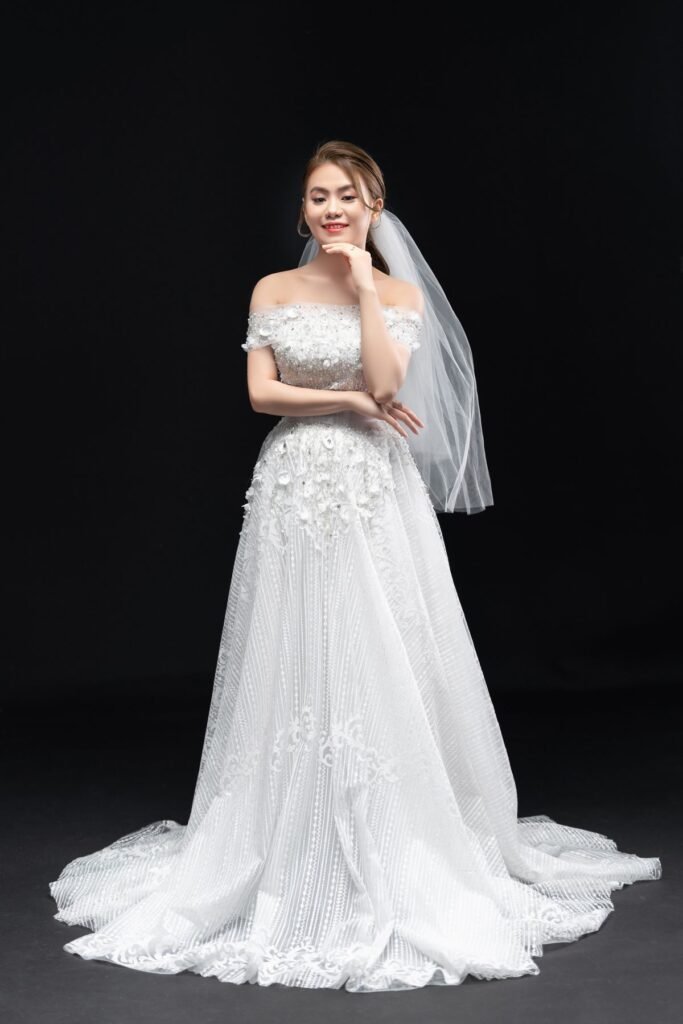
Table of Contents
Finding your wedding dress is one of the most joyful parts of planning a wedding. With so many silhouettes, fabrics and necklines to choose from, it helps to see the full picture first: 25 wedding dresses for every bride, every body type and every budget.
The 2026 bridal season is generous: basque waists, statement bows, pearls, 3D florals and vintage lace give classic shapes a fresh finish. Whether you dream of a fairytale ball gown or a short dress for a registry office, there is a look here for you. For a slower approach, see our step-by-step guide to choosing a wedding dress.
Key Takeaways
- The five core silhouettes are A-line, ball gown, sheath, mermaid and fit-and-flare — A-line suits almost every body type.
- 2026’s biggest trends are basque waists, statement bows, pearls, 3D florals, vintage lace and detachable sleeves — most work on classic shapes.
- Order 9–12 months before the wedding; budget £200–£600 on the high street, £1,000–£3,000+ at boutiques and £3,000+ for designer gowns.
- Try on silhouettes you think you will hate.
In This Article
- The 25 Dresses
- How to Choose Your Silhouette
- When to Order and Budget
- Mistakes to Avoid
- Frequently Asked Questions
The 25 Dresses
1. The Classic A-Line
The A-line is the most-loved of all wedding dresses: fitted through the bodice, then gently flaring from the waist, it flatters almost every figure. It skims hips and tummy and moves beautifully down the aisle. Choose tulle for romance or crepe for a cleaner line; Wed2B and Monsoon both carry excellent A-line styles under £600.
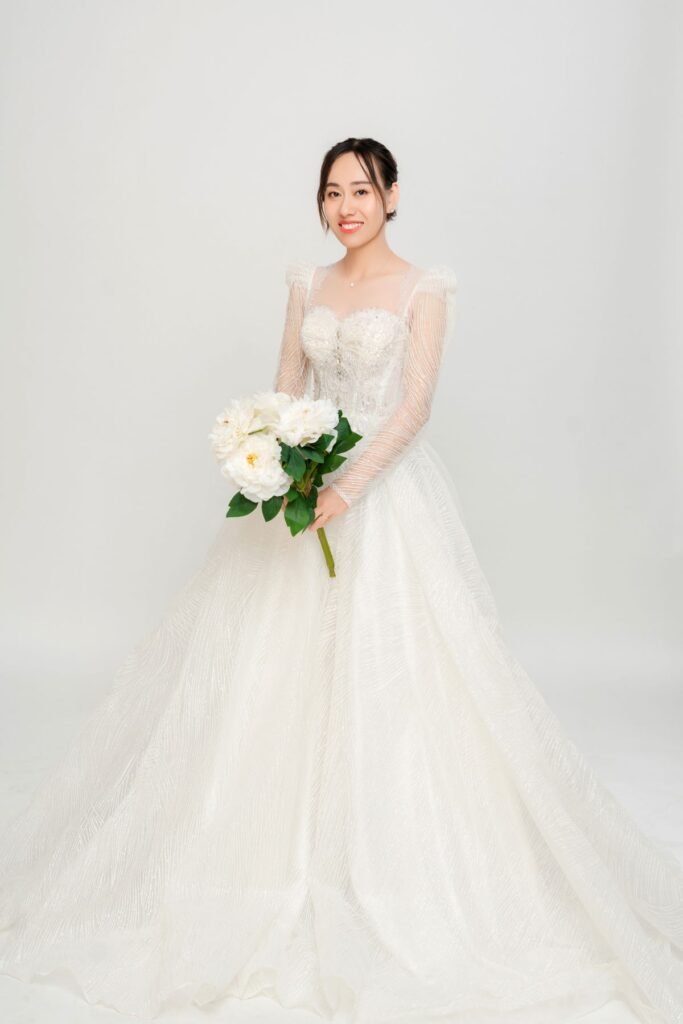
2. The Fairytale Ball Gown
Nothing says bride quite like a ball gown: a fitted bodice with a full, structured skirt creates that storybook shape, and tulle layers give it drama without weight. Ball gowns suit taller brides and grand venues. Keep the bodice simple if the skirt is huge, and practise dancing in it first; Pronovias and Maggie Sottero make some of the most-loved ball gowns.
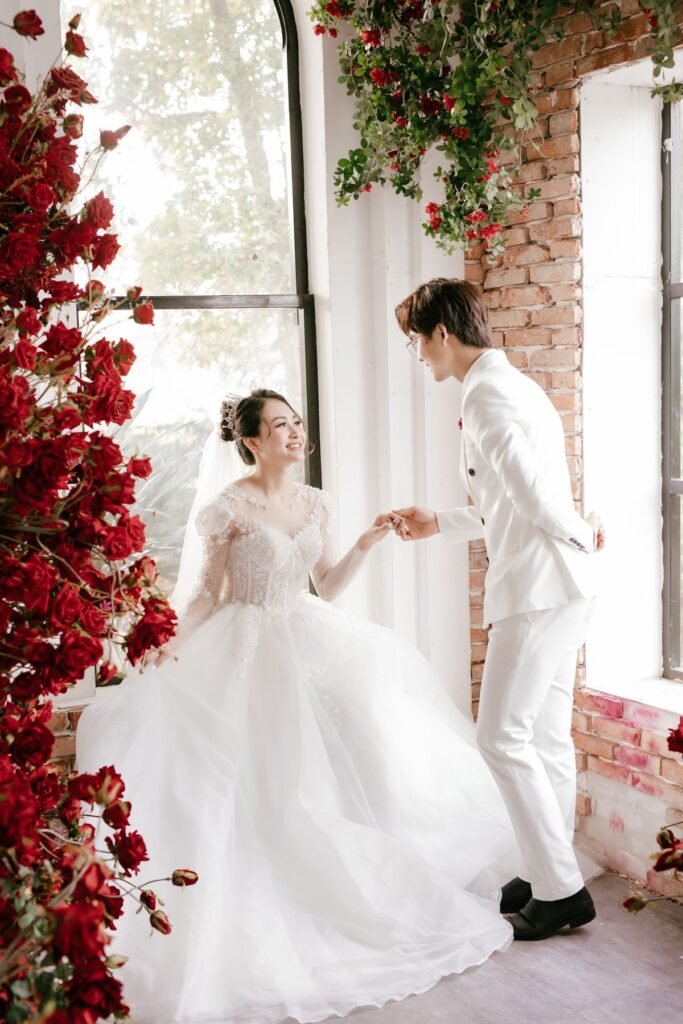
3. The Sleek Sheath
A sheath follows the body’s natural line from shoulder to hem, with no flare and no fuss. It is elegant, modern and wonderfully easy to wear — you can walk, sit and dance without managing metres of fabric. Sheaths suit petite brides especially well, since the unbroken line makes you look taller, and they are perfect for city weddings and registry offices.
4. The Mermaid
Fitted through the bodice, waist and hips, then flaring at or below the knee, the mermaid is the most dramatic of all wedding dresses. It celebrates curves and creates a true hourglass shape, a favourite for evening receptions and glamorous venues. It is less forgiving to walk in, so try sitting and climbing stairs in the shop; Mori Lee’s lace mermaids are pure red-carpet bridal.
5. The Fit-and-Flare
Fit-and-flare is the mermaid’s more relaxed sister: fitted to the hip, then flaring gently from mid-thigh. You get the hourglass shape with far more freedom to move, a brilliant compromise if you love the mermaid look but want to dance all night. It suits most body types; choose a low back or lace overlay for extra romance.
6. The Empire Waist
With a raised waistline just below the bust and a long, flowing skirt beneath, the empire waist is graceful, forgiving and timeless. It lengthens the body, suits petite brides, and is one of the most comfortable shapes for a long day. It is a lovely choice for a summer or destination wedding in lightweight chiffon, and for maternity brides.
7. The Basque-Waist Gown
The basque waist is one of 2026’s defining bridal trends: a bodice dipping into a soft V at the front, lengthening the torso and creating a sculpted, corseted look. It gives structure without stiffness. Brides who love vintage glamour will adore it, especially with a sweetheart neckline; look for it in the new Pronovias and Justin Alexander collections.
8. The Vintage Lace Gown
Lace never leaves bridal fashion, but for 2026 it leans vintage: Chantilly and corded lace, long sleeves, high necklines and delicate scalloped edges. A vintage lace gown feels romantic and heirloom-like, and it suits country house weddings, church ceremonies and autumn celebrations. Keep accessories soft — pearl earrings, a simple veil — and let the lace do the work; Mori Lee and Maggie Sottero offer beautiful vintage lace styles.

9. The Minimalist Crepe Gown
For brides who believe less is more, the minimalist crepe gown is the dress of the moment. Clean lines, no beading, no lace — just beautiful fabric, a perfect cut and an unforgettable silhouette. Crepe drapes like a dream. It suits modern venues and registry offices, and ASOS Bridal and Monsoon offer excellent minimalist styles for under £400.
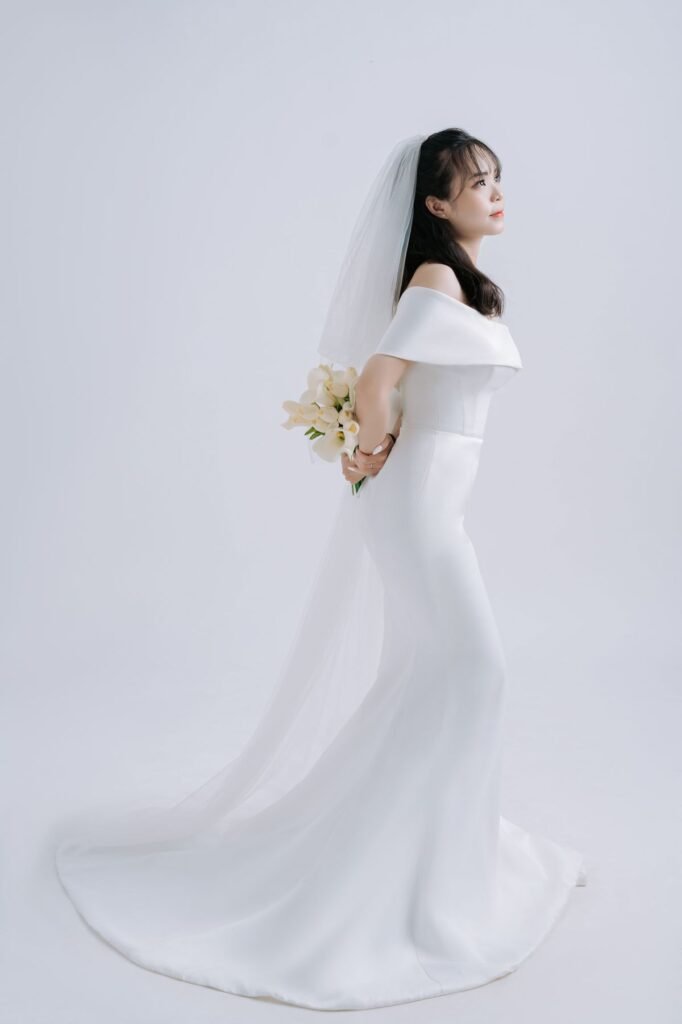
10. The 3D Floral Appliqué Gown
Three-dimensional flowers are blooming all over 2026 collections. Petals and blooms sit on top of tulle and organza, giving the dress texture you can almost feel, and they catch the light beautifully in photographs. This is the dress for a spring or summer garden wedding, or for any bride who wants romance with a modern twist; Enzoani’s floral appliqué gowns are a good place to start.
11. The Pearl-Embellished Gown
Pearls are having a major bridal moment in 2026, scattered across bodices, trailing down veils and edging necklines. A pearl-embellished gown feels timeless rather than trendy — pearls have dressed brides for generations. It suits classic and vintage-inspired weddings and pairs naturally with pearl earrings and a simple updo; try pearl detailing on the bodice if a full pearl gown feels too much.
12. The Statement Bow Gown
Oversized bows are the most joyful trend of 2026: at the waist, at the shoulder, down the back or as a detachable sash. A statement bow adds personality and couture drama to even the simplest dress, and it photographs wonderfully from behind. It suits playful, fashion-forward brides and works on A-line, sheath and ball gown shapes alike; Vera Wang’s bow-detailed gowns are the designer benchmark.
13. The Detachable-Sleeve Gown
Why choose between long sleeves and strapless? Detachable sleeves are one of the cleverest 2026 trends: wear them for the ceremony, then remove them for the reception. Detachable overskirts and trains work the same way, turning one dress into two looks.
Related: shopping for someone else’s big day? See our guide to wedding guest dresses for outfit ideas that will not upstage the bride.
14. The High-Slit Gown
A high slit adds movement and glamour to a fitted gown. It shows off your shoes — the perfect excuse for a beautiful pair of heels — and makes walking and dancing much easier in a fitted shape. A slit works best on sheath, fit-and-flare and mermaid silhouettes, and it suits confident brides at evening or destination weddings.
15. The Off-the-Shoulder Gown
Off-the-shoulder necklines frame the collarbones and shoulders beautifully, and they suit almost every bride. The style feels romantic without being revealing, and it works with every silhouette from A-line to mermaid. In 2026, off-the-shoulder gowns come with everything from soft draped sleeves to structured bardot bodices, so you can choose how much coverage you want; it is a lovely choice for summer weddings.
16. The Long-Sleeve Lace Gown
Long lace sleeves are the answer for brides who want coverage without sacrificing romance. Sheer illusion sleeves with lace appliqué look delicate and feel light, while full lace sleeves suit autumn and winter weddings perfectly. This style is a favourite for church ceremonies; Maggie Sottero’s long-sleeve lace gowns are among the most tried-on in boutiques.
17. The Satin Slip Gown
Inspired by 1990s minimalism, the satin slip gown is bias-cut, fluid and quietly sexy. It skims the body rather than shaping it, and the liquid shine of satin makes it glow in photographs. Slip gowns suit slim and petite brides, city weddings, registry offices and second looks, and they are wonderfully comfortable; add a cowl neckline or spaghetti straps and keep the styling simple.
18. The Boho Chiffon Gown
For festival, beach and woodland weddings, the boho chiffon gown is unbeatable. Flowing layers, flutter sleeves, open backs and soft, unstructured shapes let you move freely and feel like yourself. Chiffon is light and breathable, which makes it ideal for summer and destination weddings; add a flower crown or loose waves, and choose flat sandals or block heels for grass and sand. ASOS Bridal has lovely boho styles under £300.
19. The Short Wedding Dress
Short wedding dresses are no longer just for registry offices — they are a full fashion choice. A knee-length or mini dress is playful, modern and perfect for showing off beautiful shoes, and it works brilliantly as a second dress for the reception. Petite brides love the leg-lengthening effect. See our guide to short wedding dresses for styling ideas.
20. The Tea-Length Dress
Falling between the knee and the ankle, the tea-length dress is vintage charm in its purest form. It nods to the 1950s, shows off your shoes, and is wonderfully practical for dancing. Tea-length gowns suit retro-inspired weddings, smaller venues and brides who want something different from the long-gown crowd.
21. The Plus-Size Princess Gown
Every bride deserves to feel like royalty, and the plus-size princess gown delivers. A structured bodice with boning and a full A-line or ball gown skirt gives support, shape and drama. The key is structure: a properly boned bodice and a skirt with enough volume to balance the shape; Maggie Sottero and Mori Lee both design specifically for curves.
22. The Petite-Friendly A-Line
Petite brides often find standard gowns swamp them, which is why the petite-friendly A-line matters. Look for a higher waistline, a shorter skirt break and minimal volume, so the dress elongates rather than overwhelms. A sheath or a slim A-line in crepe works beautifully, and a V-neckline lengthens the torso; avoid huge ball gowns and heavy trains, and budget for hemming.
23. The Over-40s Elegant Gown
Brides over 40 often want elegance over extravagance: a beautifully cut A-line or sheath, long lace sleeves, a bateau neckline or a softly draped bodice. These gowns feel grown-up and confident. Skip anything too fussy and invest in fabric quality; Suzanne Neville’s understated gowns are a favourite with mature brides.
24. The Black or Coloured Wedding Dress
White is traditional, but it is not compulsory — and in 2026 more brides are choosing colour. Black gowns are dramatic, chic and unforgettable, while blush, champagne, pale blue and soft sage offer romance with a twist. A coloured dress suits evening weddings and fashion-forward brides; if a full colour feels bold, try an ivory gown with black detailing. Vera Wang has championed non-white bridal for years.
25. The Two-Piece Bridal Look
Separates are the most versatile option of all: a lace top with a flowing skirt, a crop top with wide-leg trousers, or a corset with a detachable overskirt. Two-piece wedding dresses let you mix sizes — a real advantage if your top and bottom are different sizes — and you can re-wear the pieces after the wedding. Look for matching sets from ASOS Bridal or Monsoon.
How to Choose Your Silhouette
1. Start with your venue and season. A heavy ball gown suits a winter castle; a chiffon sheath suits a summer beach.
2. Be honest about your body shape. A-line flatters almost everyone and fit-and-flare celebrates curves. The most popular wedding dress styles for this year are a useful starting point.
3. Try on one of each core silhouette. Try the others too — most brides choose a shape they did not expect.
4. Move in the dress. Sit, walk up steps and dance a little in the shop.
5. Plan the whole look together. Browse wedding hairstyles for brides before your final fitting.
For a fuller picture, see the 2026 wedding dress silhouettes and trends guide.
When to Order and Budget
Most boutiques need 9–12 months to order a dress. If your wedding is sooner, ask about sample sales — Wed2B sells many styles straight off the rail, and ASOS Bridal delivers in days.
UK wedding dresses fall into three bands: high-street styles at £200–£600; boutique gowns from Maggie Sottero, Mori Lee and Pronovias at £1,000–£3,000; and designer gowns from £3,000. Add £200–£500 for alterations, plus shoes, veil and underwear. Mother of the bride outfits are often bought at the same boutiques, and your bridesmaid dresses should complement your gown.
Mistakes to Avoid
Shopping too late. The most common bridal regret is leaving dress shopping until the last few months.
Bringing too many opinions. Two or three trusted people are ideal.
Falling for a trend that is not you. Basque waists and bows are beautiful, but only if they feel like you.
Ignoring the weight and the weather. A heavy satin ball gown in a July heatwave is a long day.
Forgetting alterations in the budget. Almost every dress needs some alteration — budget for it from the start.
Choosing a size to slim into. Order the size you are now.
Frequently Asked Questions
How much do wedding dresses cost in the UK?
High-street dresses cost around £200–£600, boutique gowns £1,000–£3,000, and designer dresses from about £3,000. Add £200–£500 for alterations.
When should I order my wedding dress?
Order 9–12 months ahead for boutique and designer gowns. High-street dresses can be bought much later — ASOS Bridal and Wed2B offer styles you can take home immediately.
Which wedding dress silhouette suits my body type?
A-line suits almost every body type, empire waists flatter petite brides, and fit-and-flare and mermaid shapes celebrate curves.
How many fittings will I need?
Most brides need two to three fittings: about 8–10 weeks before, 3–4 weeks before, and a final check in the last week.
Can I wear a short wedding dress?
Yes — short wedding dresses suit registry offices, city and beach weddings, and second looks for the reception. They flatter petite brides.
What is the most popular wedding dress style for 2026?
A-line and ball gown silhouettes remain the most popular, with 2026 trends adding basque waists, statement bows, pearls, 3D florals and detachable sleeves.
How much do wedding dress alterations cost in the UK?
Alterations typically cost £200–£500. Simple hemming is at the lower end, while restructuring a bodice or adding a bustle costs more.
The Business Outstanders editorial team covers UK bridal fashion and wedding trends, researching current collections and high-street and boutique options so readers can shop with confidence.