
- What are mobile wallets and how do they work?
- Popular mobile wallet options in the UK
- Security features that protect mobile payments
- Benefits of using mobile wallets
- Key security practices for safer digital payments
- Contactless limits and payment verification
- Risks and limitations to consider
- Final thoughts on mobile wallet security
- Frequently Asked Questions
What are mobile wallets and how do they work?
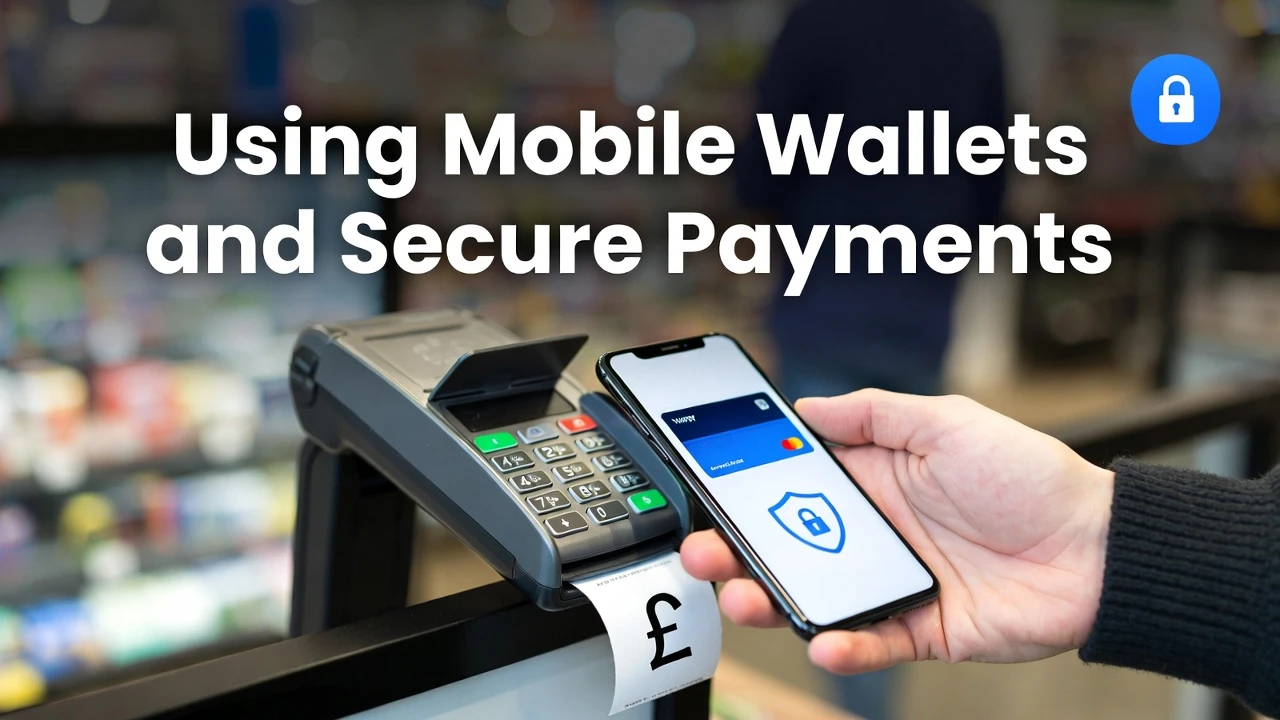
Mobile wallets allow people to store payment cards digitally on their smartphones or smart devices. Instead of carrying a physical card, users can make payments through a secure app that connects to their bank or credit card account. In the UK, this technology has become increasingly common for everyday purchases, particularly for contactless payments in shops, public transport, and online checkouts.
When you add a card to a mobile wallet, the card details are not stored directly on the device in their original form. Instead, the system creates a secure digital token that represents the card. This process, known as tokenisation, helps protect sensitive financial information during transactions.
Popular mobile wallet options in the UK
Several digital wallets are widely used across the UK. These platforms allow customers to link debit or credit cards and make secure payments using their phones or wearable devices.
Common examples include Apple Pay, Google Wallet, and Samsung Pay. Most major UK banks support at least one of these systems. After adding a card, users can pay by simply holding their phone near a contactless terminal.
The payment process is quick and requires identity verification, such as a fingerprint, facial recognition, or device passcode. This extra step adds a layer of protection compared with traditional card payments.
Security features that protect mobile payments
Mobile wallets are designed with several security features to reduce the risk of fraud. Tokenisation replaces the actual card number with a random digital token during transactions. Even if the transaction data were intercepted, the real card number would not be exposed.
Another protection method is biometric authentication. Many smartphones use fingerprint or facial recognition to confirm that the authorised device owner is making the payment. This makes it harder for someone else to use the wallet without permission.
In addition, mobile wallets allow users to disable payments remotely if a device is lost. This feature can be accessed through account settings or device tracking services.
Benefits of using mobile wallets
Mobile wallets provide convenience and speed for everyday purchases. Because the card information is stored digitally, there is no need to carry multiple cards. Many people find this helpful when travelling or managing different payment methods.
Another advantage is transaction visibility. Most wallet apps record payment history, making it easier to review recent purchases. This can help users track spending and quickly identify unfamiliar transactions.
Mobile wallets also support contactless payments, which are widely accepted across UK retailers and public transport systems. The combination of speed and security has made them a popular choice for small everyday transactions.
Key security practices for safer digital payments
Although mobile wallets are designed with strong security features, responsible usage remains important. Keeping your device protected and updated can reduce potential risks.
The following table summarises common practices that help maintain secure mobile payments:
| Security Practice | Why It Matters | Example Action |
|---|---|---|
| Use device lock | Prevents unauthorised access | Enable passcode or biometric lock |
| Update software | Fixes security vulnerabilities | Install phone updates regularly |
| Monitor transactions | Detects unusual activity | Check wallet payment history |
| Avoid public Wi-Fi for payments | Reduces data interception risk | Use mobile data or secure networks |
| Enable remote device tracking | Helps protect lost devices | Activate device location services |
Following these steps can strengthen overall payment security and reduce the chances of fraud.
Contactless limits and payment verification
In the UK, contactless payments usually have transaction limits when using physical cards. Mobile wallets, however, often allow higher or unlimited payments because identity verification occurs through the device itself.
For example, when a payment is confirmed with biometric authentication, the system can verify the cardholder more securely than a simple tap of a plastic card. This is one reason why mobile wallets are increasingly used for both small and larger purchases.
Risks and limitations to consider
Despite their convenience, mobile wallets are not completely risk-free. Losing a phone without proper security settings could expose payment apps to misuse. Additionally, some older payment terminals may not support digital wallet transactions.
Users should also remain cautious of phishing attempts that ask for account details or verification codes. Genuine banks and payment services will not request sensitive information through suspicious links or messages.
Understanding these risks helps people use mobile wallets more safely and confidently.
Final thoughts on mobile wallet security
Mobile wallets have become an important part of digital payments in the UK. By combining tokenisation, biometric authentication, and encrypted transactions, they offer a secure and convenient way to pay for goods and services.
However, security ultimately depends on responsible usage. Keeping devices protected, monitoring transactions, and using trusted payment platforms can help maintain safe digital payments. When used carefully, mobile wallets can provide both convenience and strong financial protection in everyday transactions.
Frequently Asked Questions
Are mobile wallets safe to use in the UK?
Yes, mobile wallets are generally considered secure because they use tokenisation and biometric authentication. Instead of sharing your real card number, a digital token is used during payments. This reduces the risk of card information being exposed during transactions.
Do mobile wallets work with all UK banks?
Many major UK banks support digital wallets such as Apple Pay and Google Wallet. However, availability can vary depending on the bank and card provider. It is usually best to check directly within the wallet app or your bank’s support page.
Can I make large payments using a mobile wallet?
In many cases, yes. Mobile wallet payments can exceed standard contactless card limits because the transaction is verified through your device using fingerprint, face recognition, or a secure passcode.
What should I do if my phone with a mobile wallet is lost?
If your phone is lost or stolen, you can usually disable payments remotely through your device account or banking app. Locking the device quickly prevents unauthorised transactions.
Do mobile wallets store my card details on the phone?
Most mobile wallets do not store the full card number in a visible form. Instead, they create a secure token that represents the card, which helps protect sensitive information during payments.