
Managing a credit card responsibly often begins with making payments on time. In the UK, many card providers allow customers to set up a Direct Debit from their bank account to automatically pay their credit card bill each month. This system helps reduce the risk of missing payments and can make financial management simpler, especially for people who prefer automated solutions.
A Direct Debit allows your bank to send money to the credit card provider on a scheduled date. When your monthly statement is generated, the payment is taken automatically according to the option you choose. This could be the minimum payment, a fixed amount, or the full balance. Many UK banks encourage this option because it supports consistent repayment behaviour and can help maintain a stable credit record.
Different Direct Debit Options Available
Credit card providers in the UK typically offer several Direct Debit choices. Each option works slightly differently depending on how you prefer to manage repayments. Some people prefer flexibility, while others prefer the certainty of clearing their balance automatically.
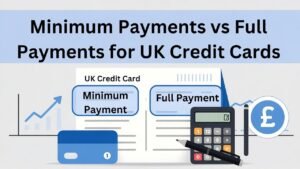
Most lenders allow you to choose between paying the full statement balance, the minimum required payment, or a fixed monthly amount. Selecting the full balance option ensures that purchases made during the interest-free period are paid off each month. On the other hand, choosing the minimum payment provides flexibility but may result in interest charges if a balance remains.
| Direct Debit Option | How It Works | Typical Use Case |
|---|---|---|
| Full Balance Payment | Automatically pays the entire statement balance each month | Suitable for people who want to avoid interest charges |
| Minimum Payment | Pays only the required minimum amount shown on the statement | Useful for short-term cash flow flexibility |
| Fixed Monthly Amount | A set amount chosen by the cardholder is paid each month | Helps with budgeting and gradual balance reduction |
How to Set Up a Direct Debit
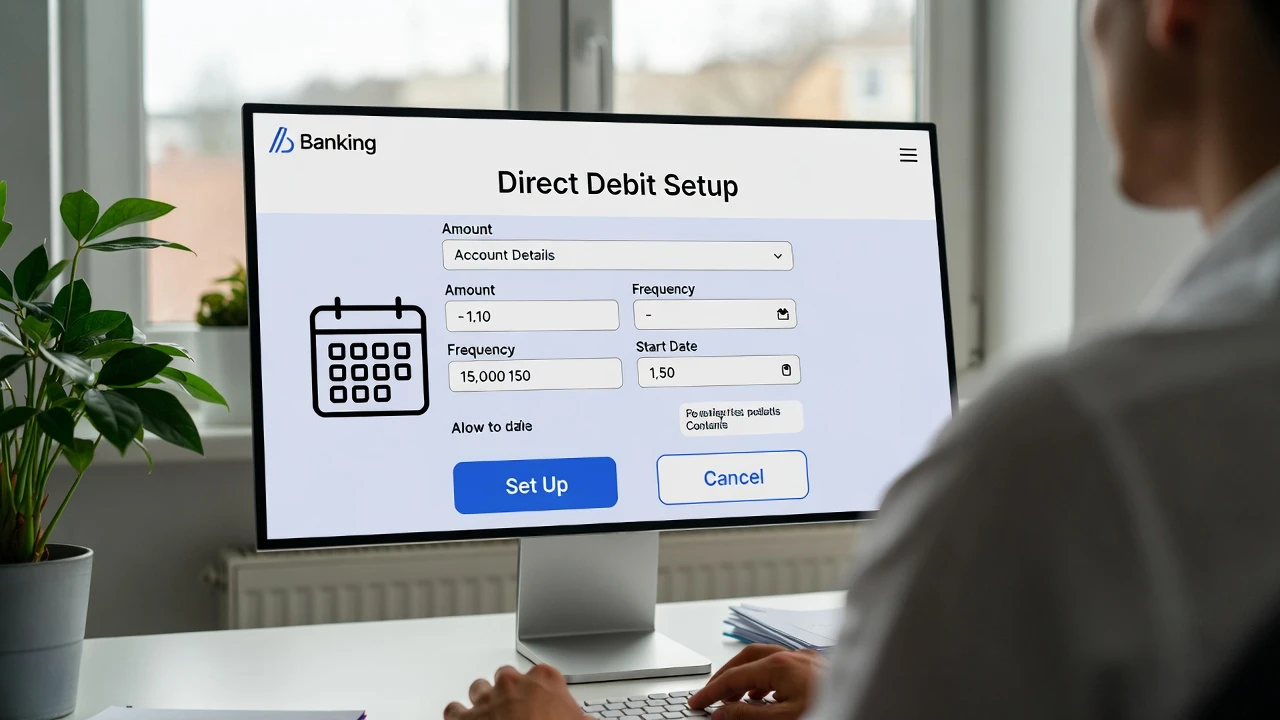
Setting up a Direct Debit for a credit card is usually a straightforward process. UK card providers allow customers to arrange it through online banking, mobile banking apps, or by completing a simple instruction form. Once the request is approved, payments will be taken automatically on the agreed date each billing cycle.
The process normally begins by logging into your online banking platform or credit card account dashboard. From there, you can locate the payment settings section and select the Direct Debit option. After confirming your bank details and preferred payment type, the lender will arrange the automatic payment schedule. Credit Card Eligibility Checker.
It may take one billing cycle before the Direct Debit becomes active. During that time, cardholders should continue making manual payments if required. Once the system is active, payments will be deducted automatically from the linked bank account.
Benefits of Managing Credit Cards Online
Online account management has become a common feature of modern credit cards in the UK. Through secure digital portals or mobile apps, cardholders can monitor their spending, check statements, and manage repayments without needing to contact the provider directly.
These tools help users review transactions in real time and track how much credit is available. Alerts and notifications can also remind customers when statements are ready or when payment dates are approaching. Many lenders provide spending summaries that show how money is being used across different categories.
Online platforms may also allow customers to adjust payment preferences, update contact details, or request credit limit changes. This level of control makes it easier to manage finances efficiently while reducing administrative effort.
Security and Safety Considerations
When setting up Direct Debits and managing accounts online, security is an important factor. UK banks and credit card providers use encryption and authentication measures to protect customer data. Most platforms require secure login credentials and sometimes additional verification steps such as one-time passcodes.
It is also important for users to access their accounts only through trusted devices and official websites or apps. Keeping passwords private and enabling security alerts can help reduce the risk of unauthorised access. Many lenders provide fraud monitoring services that alert customers if unusual activity is detected.
Another benefit of Direct Debit payments is that they are protected by the UK Direct Debit Guarantee. This protection means that if an incorrect payment is taken, customers can request an immediate refund from their bank while the issue is investigated.
Tips for Effective Online Credit Card Management
Online account tools can be helpful, but using them effectively requires regular monitoring. Checking your account periodically allows you to review spending patterns and confirm that payments have been processed correctly. It also provides an opportunity to detect any unfamiliar transactions early.
Another helpful approach is to enable account notifications through email or mobile alerts. These reminders can notify you when statements are issued, when payments are due, or when you approach your credit limit. Such alerts can support better financial awareness without requiring constant manual checking.
Setting a realistic repayment strategy is also important. Even if a minimum payment Direct Debit is in place, some people choose to make additional manual payments during the month to reduce their outstanding balance.
Why Automated Payments Can Support Better Financial Habits
Automated payment systems are often used as a way to simplify financial management. For many people, having payments scheduled automatically reduces the chance of forgetting important deadlines. This can help maintain a positive repayment history, which lenders may consider when reviewing a person’s credit file.
Direct Debit arrangements also allow cardholders to focus on managing their spending rather than remembering payment dates. Combined with online account monitoring, these tools create a structured way to manage borrowing.
While automation can be helpful, it remains important to check statements regularly. Understanding how much is being spent and repaid ensures that credit card usage stays within comfortable limits.
Frequently Asked Questions
What is a Direct Debit for a credit card in the UK?
A Direct Debit allows your bank to automatically send a payment from your current account to your credit card provider each month. It can be set to pay the minimum amount, a fixed amount, or the full statement balance, helping reduce the risk of missing payments.
Can I change my Direct Debit payment option later?
Yes, most UK credit card providers allow customers to change their Direct Debit settings through online banking or by contacting the lender. You can switch between minimum payments, fixed payments, or full balance payments depending on your preference.
Is it safe to manage a credit card online?
Online credit card management is generally secure when accessed through official banking apps or websites. UK banks use encryption, secure logins, and identity verification steps to protect customer accounts from unauthorised access.
What happens if my Direct Debit payment fails?
If a Direct Debit payment cannot be taken due to insufficient funds or another issue, the credit card provider may charge a late payment fee and interest. It is important to ensure your bank account has enough funds before the payment date.
Under the Direct Debit Guarantee, you are entitled to a full refund from your bank for any incorrect or fraudulent payment.
Does setting up Direct Debit help your credit score?
Direct Debit itself does not directly improve your credit score, but it can help maintain a positive payment history. Consistently paying your credit card bill on time is one of the key factors lenders consider when assessing your credit profile.