
What Is a Secured Credit Card?
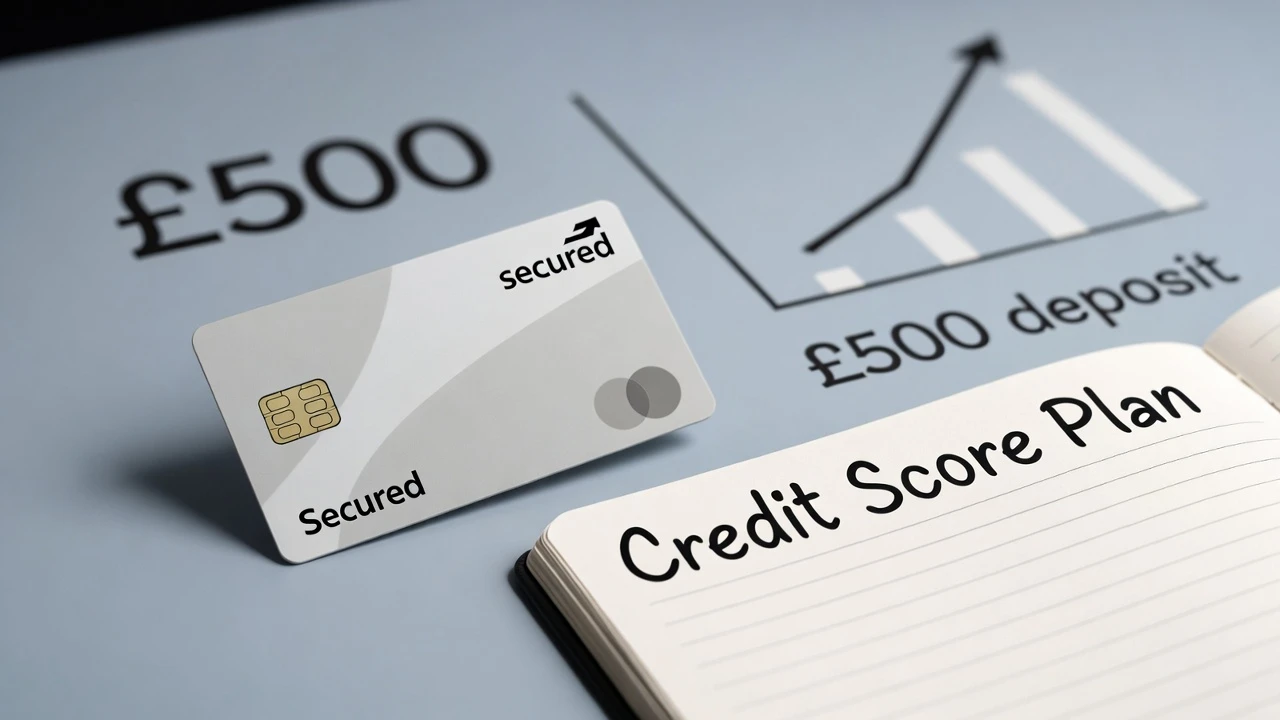
Secured credit card is a type of card designed for people who want to build or rebuild their credit history. Unlike standard credit cards, it requires a refundable cash deposit as security. This deposit usually sets your credit limit. For example, if you deposit £500, your credit limit may also be £500.
In the UK, credit card providers are regulated by the Financial Conduct Authority, which requires lenders to explain fees, interest rates, and repayment terms clearly. A secured card works like a normal credit card in day-to-day use, but the deposit reduces the lender’s risk.
How Secured Cards Help Build Credit
When you use a secured credit card responsibly, your payment behaviour is reported to UK credit reference agencies such as Experian, Equifax, and TransUnion.
Making payments on time and keeping your balance low can gradually improve your credit profile. Over time, this may increase your chances of being approved for mainstream credit products. However, improvement is not automatic. It depends on consistent, responsible use.
Who Might Consider a Secured Card?
Secured credit cards may suit people who have:
- A limited credit history
- Past missed payments or defaults
- Recently moved to the UK and have little local credit data
They are generally not designed for rewards or long-term borrowing. Instead, they are a stepping stone toward rebuilding financial credibility.
If your credit file is already strong, a standard credit card may offer lower costs and better benefits.
Costs and Interest Rates
Secured cards often have higher representative APRs compared to standard credit cards. This is because they are aimed at higher-risk applicants. Even though you provide a deposit, interest is still charged if you carry a balance. Credit Card Eligibility Checker
It is important to understand that the deposit does not act as a payment toward your balance. You must still make at least the minimum repayment each month. If you fail to do so, late fees may apply, and your credit file could be negatively affected.
Key Features at a Glance
| Refundable cash deposit sets the credit limit | How It Works | What to Consider |
|---|---|---|
| Security Deposit | Refundable cash deposit sets credit limit | Money is tied up while account is open |
| Credit Reporting | Activity reported to UK credit agencies | Late payments can damage your file |
| Higher APR | Often above mainstream card rates | Carrying a balance can be costly |
| Upgrade Potential | Some providers may review after 6–12 months | Not guaranteed |
| Limited Rewards | Focus is credit building, not perks | Few cashback or travel benefits |
Responsible Use Strategies
If your goal is credit building, keep usage simple. Spend small amounts each month and aim to repay the full balance by the due date. This avoids interest and demonstrates good financial management.
Try to keep your credit utilisation low, ideally below 30% of your limit. For example, if your limit is £500, keeping your balance under £150 may reflect positively on your credit profile.
Setting up a direct debit for at least the minimum payment can help prevent missed payments.
When Can You Get Your Deposit Back?
If you close the account in good standing and have repaid any outstanding balance, the deposit is usually refunded. Some providers may also offer to convert the secured card into an unsecured one after a period of responsible use. This varies by lender and is not guaranteed.
Before applying, check whether there are annual fees, account maintenance charges, or minimum deposit requirements.
Advantages and Limitations
Secured cards provide access to credit when other options may not be available. They create an opportunity to demonstrate improved repayment behaviour. For many people, this can be a practical first step toward financial recovery.
However, they are not a quick fix. Building credit takes time. Interest costs, fees, and poor management can still cause harm. A secured card should be used as part of a broader plan to improve financial stability.
Final Thoughts
Secured credit cards can be a structured way to rebuild credit in the UK, especially if mainstream cards are out of reach. They require discipline, careful budgeting, and consistent repayments. If used wisely, they may help strengthen your credit profile over time. If misused, they can add to financial pressure. Understanding the terms before applying is essential.
Frequently Asked Questions
1. What is a secured credit card in the UK?
A secured credit card is a card that requires you to place a refundable cash deposit as security. The deposit usually sets your credit limit. It is designed to help people with limited or poor credit history rebuild their credit profile through responsible use.
2. Does a secured credit card improve your credit score?
Yes, it can. If you make payments on time, stay within your credit limit, and keep your balance low, lenders report this positive behaviour to UK credit reference agencies such as Experian, Equifax, and TransUnion. Over time, this may strengthen your credit profile.
3. Is the security deposit refundable?
In most cases, yes. Your deposit is typically returned when you close the account in good standing or upgrade to an unsecured card. However, if you miss payments, the provider may use part of the deposit to cover outstanding balances.
4. Who should consider a secured credit card?
Secured cards are generally suitable for people with a low credit score, no credit history, or those rebuilding after financial difficulties. They are not usually necessary if you already qualify for standard unsecured credit cards at competitive rates.
5. Are secured credit cards expensive?
They can have higher interest rates compared to mainstream credit cards. That’s why they work best when you repay the full balance each month. The main benefit is credit rebuilding not borrowing long term.
Many secured cards also have an annual fee, so it’s wise to compare the total cost before applying.