
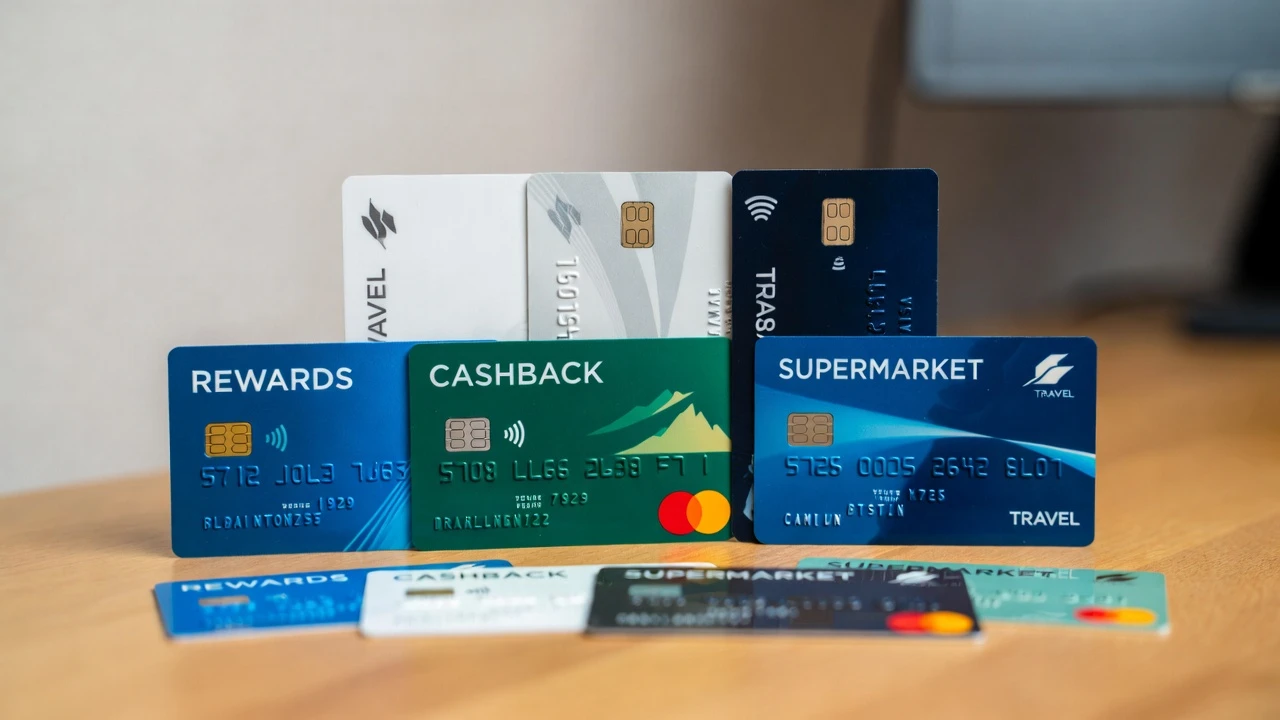
Rewards and cashback credit cards are designed to return a portion of your spending in the form of money, points, or travel benefits. In the UK, these cards are commonly used for everyday purchases such as groceries, fuel, online shopping, and holidays. When used carefully, they can provide measurable value. However, the benefits only tend to outweigh the costs if balances are managed responsibly.
Before choosing this type of card, it helps to understand how reward structures work, what conditions apply, and whether your spending habits align with the features offered. Not all reward cards are the same, and the headline incentive does not always reflect the true long-term value.
How Rewards and Cashback Credit Cards Work
Most reward cards track eligible spending and apply either a percentage cashback rate or a points system. Cashback is usually credited monthly or annually to your statement. Points-based systems may allow you to redeem for vouchers, flights, or retail discounts.
In the UK, providers must clearly display the representative APR under rules overseen by the Financial Conduct Authority. If you carry a balance and pay interest, the cost of borrowing can easily exceed the rewards earned. For this reason, reward cards are generally more suitable for people who pay in full each month.
Some cards offer tiered earning structures, meaning higher cashback in specific categories such as supermarkets or travel. Others may charge an annual fee in exchange for enhanced benefits. Credit Card Eligibility Checker.
Cashback Credit Cards
Cashback cards return a fixed percentage of eligible spending, often between 0.25% and 5%, depending on the offer and promotional period. For example, spending £800 per month at 0.5% cashback would generate £4 per month. Over a year, that totals £48, provided the balance is cleared each month, and no interest is charged.
Certain cashback cards offer introductory boosted rates for the first few months. After this period, the standard rate applies. It is important to check whether cashback is capped annually and whether minimum spending thresholds apply.
Supermarket Reward Cards
Some UK supermarket chains offer co-branded credit cards that convert spending into loyalty points. These points can typically be redeemed for grocery vouchers or partner rewards. If you regularly shop at the same supermarket, the value can be consistent and predictable.
However, the reward value depends on how often you shop there and whether you would use the loyalty scheme anyway. If your shopping habits change, the card may become less rewarding.
Travel and Air Miles Cards
Travel reward cards provide points or air miles that can be redeemed for flights, upgrades, or hotel stays. These cards are often linked to airline or travel loyalty programmes. For frequent travellers, the accumulated miles may offset flight costs or provide upgrades.
Some travel cards also include benefits such as no foreign transaction fees or travel insurance. However, availability of reward seats can be limited, and taxes or surcharges may still apply to “free” flights. Annual fees are also more common with premium travel cards.
Comparing Reward Card Types
| Card Type | Main Benefit | Typical Cost | Best For | Main Risk |
|---|---|---|---|---|
| Cashback Card | Percentage of spending returned as cash | May have annual fee | Everyday spending | Interest can exceed cashback |
| Supermarket Card | Loyalty points on grocery spend | Usually no fee | Regular shoppers at one retailer | Limited redemption flexibility |
| Travel Card | Air miles or travel perks | Often annual fee | Frequent travellers | Reward restrictions & fees |
| Premium Rewards Card | Higher earn rates + perks | Higher annual fee | High monthly spenders | Often, an annual fee |
Fees and Interest Considerations
Even the most generous reward structure does not remove the cost of borrowing. If a card has a representative APR of 24.9% and you carry a balance, interest is charged daily. This can quickly reduce or eliminate any reward benefit.
Other charges to review include annual fees, foreign transaction fees (often around 2.99%), and cash withdrawal fees. Cash advances typically attract interest immediately, with no interest-free period.
Are Rewards and Cashback Cards Worth It?
These cards can be useful for disciplined spenders who treat them as a payment method rather than a borrowing tool. If you already budget carefully and repay in full each month, the additional cashback or points can provide incremental value.
They may not be suitable if you tend to carry balances, rely on minimum payments, or are working to reduce existing debt. In those cases, a lower-interest or balance transfer card may be more appropriate.
Choosing a reward card should be based on realistic spending patterns rather than promotional marketing. A modest cashback rate used consistently is often more practical than a complex reward scheme that is difficult to redeem.
Frequently Asked Questions
Do cashback credit cards affect my credit score?
Applying for any credit card may involve a credit check, which can temporarily affect your score. Ongoing responsible use, such as paying on time and keeping balances low, can support your credit profile over time.
Is an annual fee worth paying on a rewards card?
It depends on your spending level. If the value of rewards earned exceeds the annual fee after interest and charges, it may be worthwhile. Otherwise, a no-fee card may offer better overall value.
Are travel reward cards suitable for occasional travellers?
Occasional travellers may find it harder to accumulate enough points for meaningful rewards. Travel cards tend to benefit those who fly regularly or spend significantly on travel-related purchases.
Can I earn rewards if I carry a balance?
Yes, but interest charges may outweigh the rewards earned. These cards are generally most effective when the full statement balance is repaid each month.
Are supermarket credit cards better than general cashback cards?
They can be if most of your spending is at that retailer and you actively use their loyalty scheme. If your spending is spread across different stores, a general cashback card may provide more flexibility.