25ItalianBobHaircutIdeasforWinter2026

Table of Contents
The Italian bob haircut is the cut every salon is talking about this winter. It sits at the jaw or just below it, with full ends, soft movement and a polished finish that looks expensive without looking overdone. Search interest hit record highs in 2026, and it features heavily among the winter 2026/2027 haircut trends because it flatters almost every hair type and grows out gracefully. Below are 25 Italian bob ideas for winter 2026, plus stylist tips and a ten-minute at-home styling guide.
Key Takeaways
- An Italian bob haircut sits at the jaw or just below it, with full ends, soft internal layers and plenty of movement.
- It suits fine, thick, straight, wavy and curly hair, with small layering adjustments for each texture.
- Ask your stylist for a chin-skimming bob with a soft bevel at the ends, not a sharp blunt line.
- A round-brush blow-dry and a drop of hair oil style it at home in about ten minutes.
- Book a trim every 8 to 12 weeks to keep the shape full and the ends healthy through winter.
In This Article
- What Is an Italian Bob Haircut?
- 25 Italian Bob Haircut Ideas for Winter 2026
- How to Ask Your Stylist for an Italian Bob
- How to Style an Italian Bob at Home
- Italian Bob vs French Bob, Blunt Bob and Lob
- Which Face Shapes Suit an Italian Bob?
- Grow-Out and Maintenance
- Frequently Asked Questions
What Is an Italian Bob Haircut?
The Italian bob is a longer, fuller take on the classic bob. It usually ends at the jawline or a centimetre or two below it, with a strong perimeter that keeps the ends looking thick, and subtle internal layers that create movement and bounce. Unlike a blunt bob’s razor-sharp line, the Italian version has a soft bevel at the ends, so the hair curves gently under the jaw. Grazia’s guide to the Italian bob traces the same story, from Sophia Loren’s dolce vita waves to the version worn by Gigi Hadid and Hailey Bieber today. The winter 2026 version is slightly longer and looser than earlier geometric crops.
25 Italian Bob Haircut Ideas for Winter 2026
From the classic soft version to bangs, colour and age-proof styles, these 25 ideas cover every texture, face shape and occasion. Save your favourites and show them to your stylist.
1. The Classic Soft Italian Bob
This is the version most stylists picture when you say “Italian bob”: chin-skimming length, a full perimeter and ends that curve softly under the jaw. It needs little more than a quick blow-dry.
2. The Jaw-Length Italian Bob
Cut exactly to the jawline, this is the shortest and most striking Italian bob. It sharpens the jaw, shows off earrings and high-neck knits, and shines with a drop of Kérastase Elixir Ultime.
3. The Italian Bob With Soft Layers
Soft, long layers in the interior create movement without removing weight from the ends. Ask for layers starting at the cheekbone, never higher, so the shape stays full.

4. The Wavy Italian Bob
Natural wave is the Italian bob’s best friend: the cut follows the wave pattern, so the hair falls into soft, lived-in bends with very little effort. Scrunch in mousse while damp, then break the waves up with your fingers.

5. The Sleek Straight Italian Bob
For a sharper mood, wear it sleek and straight: blow-dry smooth, then run flat irons over the ends, curving them slightly under. Finish with a light shine spray, not heavy serum, which can flatten the volume.
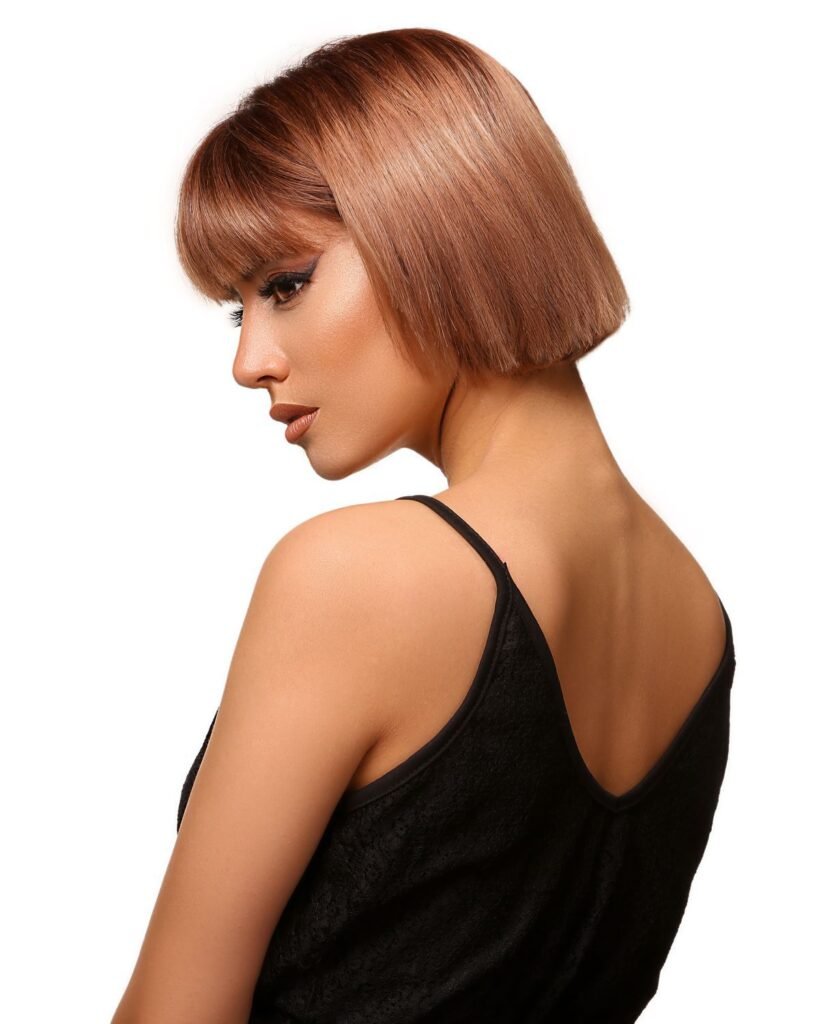
6. The Italian Bob With Curtain Bangs
Curtain bangs soften the face and blend into the bob’s layers. Keep them cheekbone length so they tuck behind the ears and grow out without an awkward stage. For styling ideas, see our guide to curtain bangs.
7. The Italian Bob With Midi Bangs
Midi bangs sit between the eyebrows and the lashes and give the bob a chic, retro edge inspired by 1960s Italian cinema. They suit straight or slightly wavy hair best and need a trim every three to four weeks.
8. The Side-Part Italian Bob
A deep side part adds volume at the crown and old-Hollywood drama. It makes the cut feel dressed up and suits anyone whose hair falls flat at the roots.
9. The Centre-Part Italian Bob
A centre part gives the Italian bob a calm, symmetrical frame that suits oval and heart-shaped faces particularly well. It shows off the cut’s even, full ends with a glossy finish.
10. The Italian Bob for Fine Hair
Fine hair loves this cut: the strong perimeter makes the ends look thicker than they are. Keep layering minimal, add volumising mousse at the roots and rough-dry upside down for lasting lift.
11. The Italian Bob for Thick Hair
Thick hair needs weight removed from the interior with invisible layers while the perimeter stays solid, so the bob swings instead of turning triangular. Smoothing cream on damp hair tames winter frizz.
12. The Italian Bob for Curly Hair
Curls suit the Italian bob when the cut follows the natural curl pattern. Ask for a stylist experienced with curly hair and have it cut in its natural state.
13. The Italian Bob With a Longer Front
A slightly longer front, sitting a centimetre or two below the back, adds a modern edge and flatters rounder faces by drawing the eye down. Tuck it behind one ear to show the asymmetry.
14. The Italian Bob Over 50
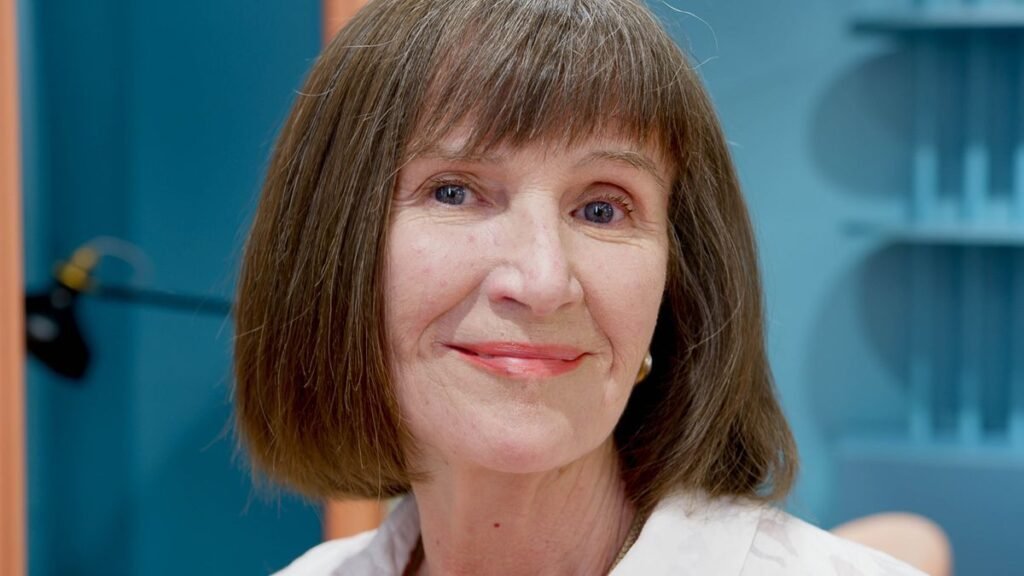
This is the most rejuvenating version of the cut, and stylists consistently recommend it for women over 50. Soft layers around the face lift the features, while the jaw-length shape keeps the look fresh. A soft fringe adds extra softness.
15. The Italian Bob Over 40
For women in their forties, the Italian bob is a smart refresh, not a drastic chop. It looks good air-dried or blow-dried, and pairs well with subtle highlights that brighten the face.
16. The Italian Bob With Caramel Ribbons
Thin caramel ribbons woven through a brunette base add the warmth and dimension winter hair needs. Ask for balayage-style ribbons around the face and ends rather than chunky highlights.
17. The Soft Blonde Italian Bob
A soft, creamy blonde turns the Italian bob into a winter showstopper. For inspiration, look at winter vanilla blonde and stone blonde shades, which keep blonde looking warm rather than ashy in cold light.
18. The Rich Brunette Italian Bob
Deep, glossy brunette is the most classic Italian bob colour, echoing the screen icons who made the cut famous. A rich brown with a clear gloss on top gives the mirror shine that defines the look.
19. The Copper-Toned Italian Bob
Copper is winter’s warmest hair colour trend. A soft copper gloss over a brunette base adds glow without the commitment of full red. Use colour-safe shampoo, as copper fades fast.
20. The Italian Bob With Flipped Ends
Flipped-out ends give the bob a playful, retro flick that feels fresh again for winter 2026. Blow-dry the ends outwards with a round brush, then set with light-hold spray. It is a close cousin of the flippy bob, but the Italian version keeps the ends fuller and the flick softer.
21. The Textured, Piecey Italian Bob
For an undone finish, ask for light texturising through the ends and style with a pea-sized amount of texture cream. The result is piecey and modern, ideal for second-day hair.
22. The Voluminous Crown Italian Bob
Volume at the crown separates the Italian bob from flatter bob styles. Use Velcro rollers on the top sections while you do your makeup, then brush through for soft, lasting lift.
23. The Winter Party Italian Bob
For Christmas parties, blow-dry the bob smooth, add loose waves with a ghd curl wand and finish with Oribe Gold Lust Nourishing Hair Oil. Tuck one side behind the ear and add a statement earring.
24. The Italian Bob Tucked Behind the Ear
Tucking one side behind the ear is the simplest trick on this list. It shows off the jawline, keeps hair out of your face under a scarf and looks deliberately chic.
25. The Low-Maintenance Grow-Out Italian Bob
Ask for a slightly longer Italian bob, just below the jaw, with soft layers that blend as it grows. This version goes twelve weeks between trims and grows into a lob, not an awkward in-between length.
Related: Cloud Bangs: The Soft Fringe That Pairs Beautifully With a Bob
How to Ask Your Stylist for an Italian Bob
Bring two or three reference photos showing the length and finish you want, and be honest about how long you spend styling your hair each morning. Ask for a chin-skimming or slightly longer bob with fullness through the ends, subtle internal layers for movement and a soft bevel rather than a blunt line. Mention your hair texture and whether you want bangs, because the layering changes completely between textures. Expect the appointment to take 45 to 60 minutes; a cut and finish typically costs £45 to £90 outside London, or £70 to £150 in London.
How to Style an Italian Bob at Home
The Italian bob is designed to take about ten minutes to style. Rough-dry until about 80 per cent dry, then work section by section with a medium round brush, pulling the ends under. This builds the soft inward curve that defines the cut. For waves, wrap alternate sections around a one-inch curling wand in opposite directions, then break them up with your fingers.
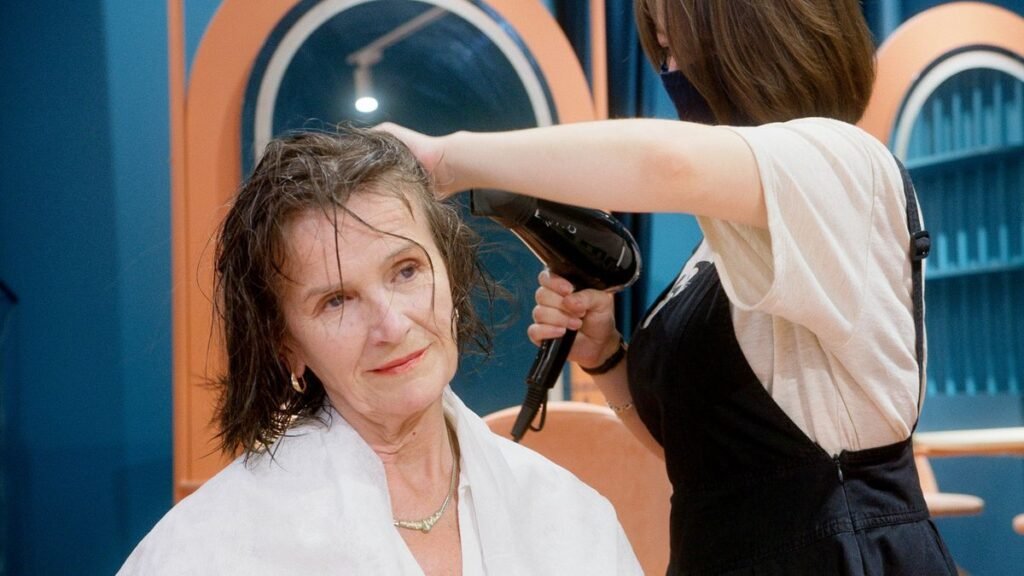
Finish with a single drop of hair oil, such as Kérastase Elixir Ultime or Oribe Gold Lust Nourishing Hair Oil, smoothed over the mid-lengths and ends. On non-wash days, revive the shape with dry shampoo at the roots. Avoid overloading the hair with product, since too much serum flattens the volume. Once a week, use Olaplex No.3 to keep winter-damaged ends healthy.
Italian Bob vs French Bob, Blunt Bob and Lob
The four cuts are cousins, but the differences matter. The French bob is shorter, usually chin length or above, with a softer, undone finish, often paired with a straight fringe. The Italian bob is longer and fuller, with more weight, body and bounce, and it is usually worn with volume rather than texture. A blunt bob relies on a sharp, geometric line with no layering, while the Italian version softens that line with internal layers and a bevelled edge. The collarbone lob reaches the collarbone and suits anyone not ready to go short; the Italian bob sits higher, at the jaw, and gives a stronger shape.
Which Face Shapes Suit an Italian Bob?
The Italian bob flatters oval, heart-shaped and longer faces especially well, as the volume at the sides balances length and softens the jaw. Round faces suit it too, provided the front is slightly longer with a deep side part, which draws the eye down. Square faces benefit from soft layers and a side part to soften a strong jawline. A very short face needs caution, as a jaw-length cut can shorten the look further; in that case, ask for the version that sits just below the jaw.
Grow-Out and Maintenance
The Italian bob is one of the easiest short cuts to maintain. Book a trim every 8 to 12 weeks to keep the ends full and the shape intact; fine hair may need the shorter end of that range, while thick hair can often stretch to twelve weeks. A gloss treatment every six to eight weeks keeps the shine that defines the look, and a weekly bond-repair mask protects the ends from cold weather and central heating. Because the cut grows out into a lob shape, there is no awkward in-between stage.
Frequently Asked Questions
How much does an Italian bob haircut cost in the UK?
A cut and finish typically costs £45 to £90 outside London, and £70 to £150 in London. Adding colour, such as caramel ribbons or a full blonde, costs an extra £60 to £150.
How often should I trim an Italian bob?
Book a trim every 8 to 12 weeks to keep the ends thick and the shape defined. A fringe needs a tidy-up every three to four weeks, which many salons offer free or for a small charge.
Does an Italian bob suit fine hair?
Yes, it is one of the best bobs for fine hair. The strong perimeter makes the ends look thicker, and volumising mousse at the roots adds lift. Keep layering minimal, since too many layers can make fine hair look thinner.
Does an Italian bob suit curly hair?
Yes, provided the cut follows your natural curl pattern and is shaped rather than thinned. Ask for a stylist experienced with curly hair and have it cut in its natural state.
How long does it take to style an Italian bob at home?
About ten minutes. Rough-dry the hair, then finish section by section with a medium round brush, pulling the ends under. Add a drop of hair oil and you are done. Wavy versions take even less time.
What is the difference between an Italian bob and a French bob?
The French bob is shorter, usually chin length or above, with a softer, undone finish and often a straight fringe. The Italian bob is longer, at the jaw or just below it, with more weight, volume and bounce, and a glossier finish.
Will an Italian bob grow out well?
Yes, it grows out gracefully into a lob shape, with no awkward in-between stage. A slightly longer version with soft layers can go twelve weeks between trims.
The Business Outstanders editorial team writes practical fashion and beauty guides for readers across the UK, US and Canada, checking each haircut, trend and styling tip against current salon practice and trusted fashion sources before publishing.