HowtoChooseaWeddingVenue:EverythingYouNeedtoKnowBeforeBooking
Table of Contents
Choosing a wedding venue is one of the most important decisions you will make during the planning process. The venue does much more than provide a place for the ceremony and reception. It influences the atmosphere, guest experience, photography, food, decorations, schedule, vendors, and a significant part of the overall wedding budget.
With countless options available from elegant hotels and countryside estates to gardens, beaches, restaurants, historic buildings, resorts, and private event spaces it is easy to become overwhelmed.
The best wedding venue is not necessarily the biggest, most expensive, or most impressive place you can find online. It is the venue that fits your wedding vision, guest list, budget, location, priorities, and the experience you want to create.
Before you fall in love with a venue based on photographs alone, there are several practical questions worth answering. This guide walks through exactly how to choose a wedding venue, what to look for during a venue tour, what questions to ask, and which details can become expensive problems later.
Start With Your Wedding Vision
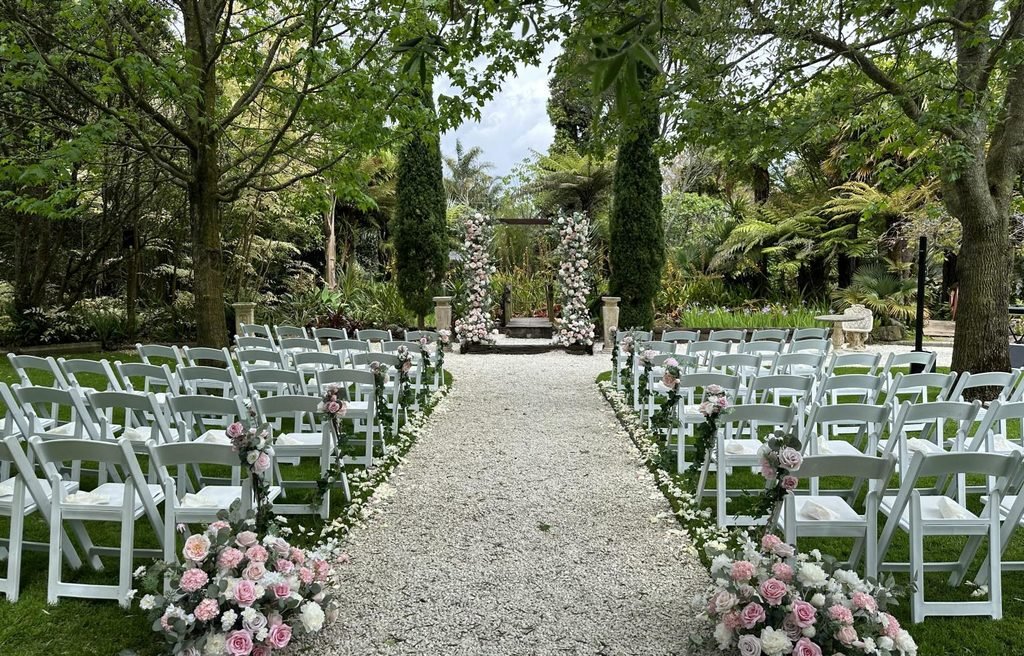
Before opening venue directories or scheduling tours, decide what you want the wedding to feel like.
Do you imagine an intimate garden celebration, a sophisticated city wedding, a relaxed beach ceremony, a countryside gathering, a glamorous hotel reception, or a destination wedding surrounded by your closest people?
Your answer can immediately narrow down the search.
A venue should support your vision rather than force you into a style that does not feel like you. A grand ballroom might be perfect for a large formal celebration but feel overwhelming for a small gathering. Similarly, a beautiful outdoor property may be unsuitable if you want a highly structured indoor event.
Think about:
- The atmosphere you want
- The type of ceremony you prefer
- Whether you want indoor or outdoor spaces
- The size of your celebration
- Your preferred architectural style
- How formal or relaxed you want the day to feel
- How much flexibility you want over decoration and vendors
The right venue should make it easier to create your wedding rather than make you constantly work around the space. Wedding photography guidance similarly emphasizes choosing somewhere that feels right for the couple and the atmosphere they want, rather than simply choosing a venue because it looks impressive online.
Set Your Budget Before You Tour Venues
One of the easiest mistakes is falling in love with a venue before understanding what it will actually cost.
A venue’s advertised rental fee may represent only one part of the final bill. Catering, drinks, service charges, taxes, furniture, lighting, staffing, overtime, setup, cleanup, and additional spaces can all change the final number.
Vogue’s wedding experts recommend asking for an all-in estimate, including taxes and service fees, based on the expected guest count rather than relying only on the headline venue price.
Before contacting venues, establish:
- Your overall wedding budget
- Your approximate venue budget
- Expected guest count
- Catering budget
- Photography and entertainment budget
- Decoration budget
- Transportation and accommodation costs
- A reserve for unexpected expenses
A venue that costs less upfront is not automatically better value. Sometimes a slightly more expensive venue includes tables, chairs, catering, staffing, furniture, and other services that you would otherwise need to arrange separately.
Build a Realistic Guest List
You do not need the final guest list before beginning your venue search, but you should have a realistic estimate.
Guest count affects almost every part of the venue decision.
It determines:
- Required capacity
- Seating arrangements
- Catering quantities
- Dance-floor size
- Restroom requirements
- Parking needs
- Accommodation
- Transportation
- Overall atmosphere
Pay attention to the difference between a venue’s maximum capacity and its comfortable capacity.
A venue might technically hold 250 people, but that does not necessarily mean 250 guests will have enough room for dining, dancing, entertainment, photography, bars, buffet stations, and comfortable movement.
Ask the venue to show you possible layouts for your expected number of guests.
Choose the Right Location
Location can determine whether your wedding feels effortless or unnecessarily complicated.
Start by considering where most of your guests will travel from.
If many guests are coming from other cities or countries, check:
- Airports
- Train stations
- Major roads
- Public transportation
- Local taxi or ride services
- Parking
- Nearby accommodation
- Travel time
- Accessibility
For destination weddings, the location needs even more research. Climate, local customs, language, legal requirements, national holidays, transportation, and accommodation can all affect the planning process.
The location should also have some meaning for you as a couple. It could be somewhere connected to your family, a place where you met, a destination you both love, or simply somewhere that creates the atmosphere you have always imagined.
Consider the Season and Weather
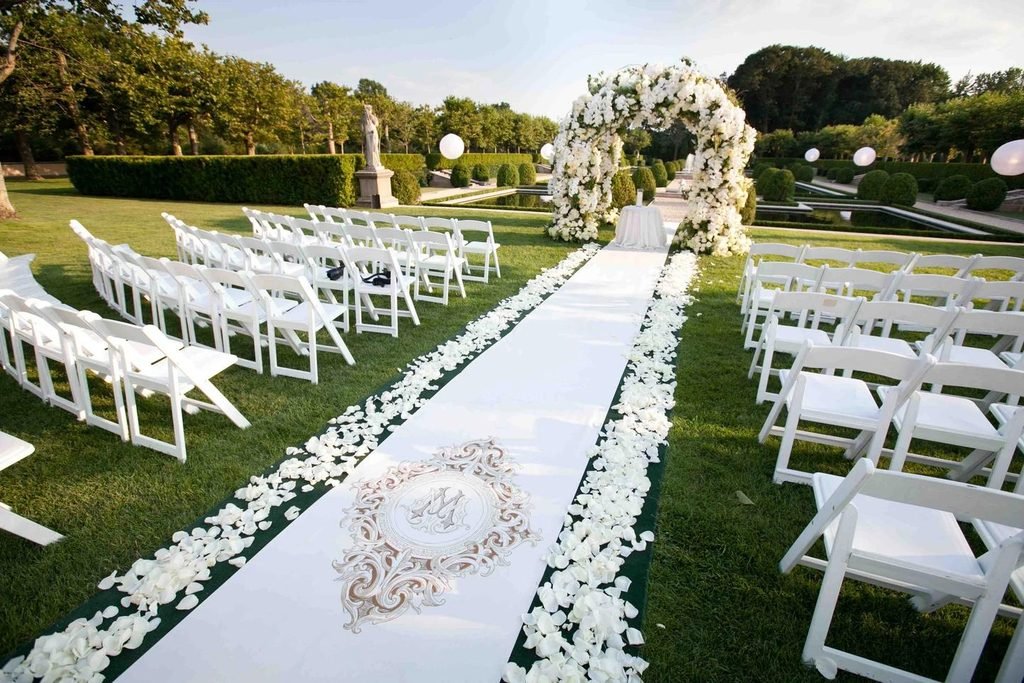
A venue that is perfect in one season may feel completely different in another.
If you are considering an outdoor wedding, research the typical weather for your chosen date.
Think about:
- Temperature
- Rain
- Wind
- Humidity
- Sun exposure
- Seasonal storms
- Sunset time
- Heating
- Cooling
- Indoor alternatives
Never assume that good weather will simply happen.
Ask the venue exactly what happens if the weather changes.
What Is the Backup Plan?
A good weather backup should be more than someone saying, “We can move inside.”
Ask:
- Where exactly will the ceremony move?
- Can the indoor space accommodate everyone?
- Will the same seating arrangement work?
- Is the alternative space attractive?
- Is heating or cooling available?
- Is a tent required?
- Who pays for the tent?
- How quickly can the venue change the setup?
A venue that works beautifully in both good and bad weather can remove a huge amount of stress from your wedding day.
Understand What the Venue Package Includes
Never assume that two venues with similar prices offer the same thing.
One venue may include:
- Tables
- Chairs
- Linens
- Basic lighting
- Catering
- Staff
- Cleaning
- Setup
- Bar service
Another may charge separately for nearly everything.
Ask for a written list of what is included in the venue fee.
Then ask what costs extra.
Pay particular attention to:
- Ceremony fees
- Cocktail-hour spaces
- Reception spaces
- Furniture
- Audio equipment
- Lighting
- Security
- Cleaning
- Corkage
- Cake-cutting fees
- Overtime
- Setup time
- Breakdown time
- Additional staff
This gives you a much more accurate picture of the true cost.
Understand the Catering Options
Food is a major part of the wedding experience, so catering deserves serious attention.
Ask whether the venue offers:
- In-house catering
- Preferred caterers
- Required caterers
- Outside catering
- Buffet service
- Plated meals
- Family-style dining
- Cocktail-style food
- Vegetarian options
- Vegan options
- Allergy-friendly meals
- Cultural or religious food requirements
If catering is provided by the venue, ask whether a tasting is available and whether it is included in the package.
Also ask about drinks.
Find out:
- Which bar packages are available
- Whether alcohol is included
- Whether non-alcoholic drinks are included
- Whether you can bring your own beverages
- Whether corkage charges apply
- How long bar service continues
Vogue’s wedding experts specifically recommend understanding catering menus, dietary requirements, tastings, staffing, and external catering rules before booking.
Check the Venue’s Vendor Rules
This is an area many couples overlook.
You may already have a photographer, florist, decorator, caterer, DJ, band, or wedding planner you want to use.
The venue may have different rules.
Ask:
- Can we choose our own vendors?
- Do you have a preferred vendor list?
- Are any vendors mandatory?
- Can we bring an outside caterer?
- Are outside vendors charged additional fees?
- Do vendors need insurance?
- What are the setup and removal rules?
- Is there a loading area?
- Is vendor storage available?
Some venues require couples to work with specific suppliers. That is not necessarily a problem, but you should know about it before signing anything.
Required vendors should also be priced into your overall budget before you commit to the venue.
Think About How the Wedding Day Will Flow
A venue can look spectacular and still be difficult to use.
One of the most important things to understand is how your wedding will move from one part of the day to the next.
Imagine the full sequence:
Getting Ready → Ceremony → Drinks → Photos → Dinner → Speeches → Dancing → Evening Celebration
Now ask yourself whether the venue supports that flow.
Ceremony and Reception in One Place
Having everything in one venue can simplify transportation and make the day easier for guests.
However, you still need to understand how the spaces transition.
Ask:
- Where does the ceremony happen?
- Where do guests go afterward?
- Where are drinks served?
- Where will photographs happen?
- How long does room setup take?
- Where will guests wait?
- Where does dinner happen?
- Where will dancing happen?
If the venue requires a long transition between different parts of the day, find out how that affects your schedule.
Poorly planned transitions can create unnecessary gaps and leave guests waiting around. Experienced wedding photographers also emphasize the importance of venue flow because awkward transitions can affect the atmosphere of the entire day.
Think About Your Guests’ Experience
Your wedding is about you, but your guests will experience the venue too.
Walk through the venue imagining the day from their perspective.
Ask:
- Is there enough seating?
- Are there comfortable areas to talk?
- Are restrooms easy to find?
- Is the venue accessible?
- Can older guests move around comfortably?
- Is there enough shade outdoors?
- Is there somewhere to sit during longer breaks?
- Is accommodation nearby?
- Is transportation available?
If children are attending, you may also want to consider whether there are suitable areas for families.
Small practical details can have a surprisingly large effect on how comfortable people feel.
Check Lighting and Photography Opportunities
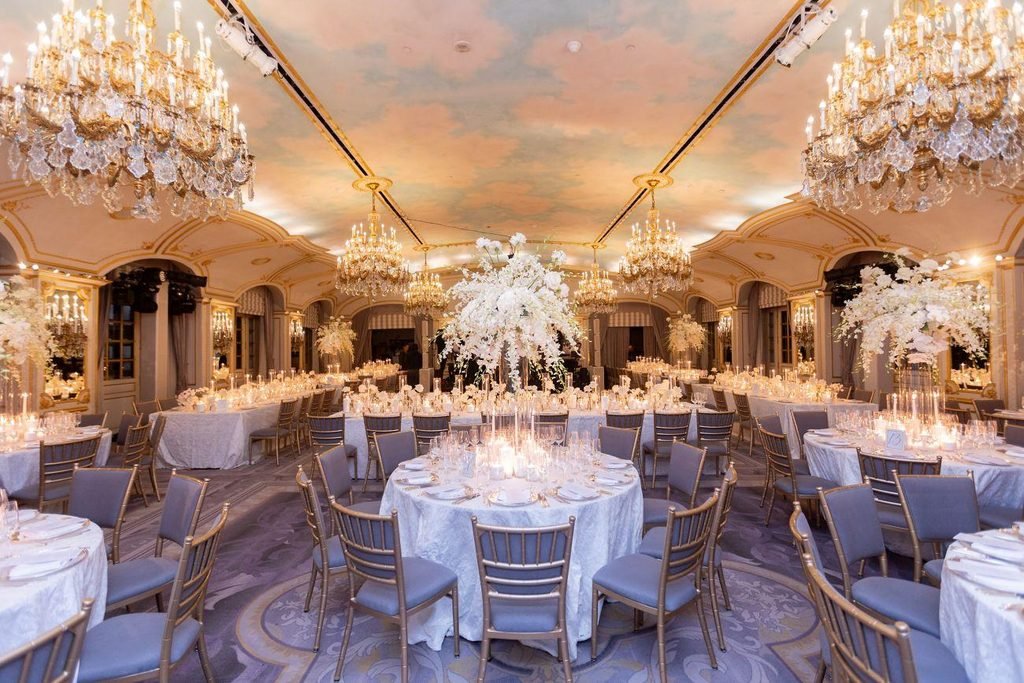
If your wedding photographs are important to you, pay attention to light.
A venue does not need to be bright and white to photograph beautifully. Darker, atmospheric spaces can create incredible images too.
What matters is having variety.
Look for:
- Natural light
- Interesting architecture
- Outdoor portrait locations
- Attractive ceremony backgrounds
- Getting-ready spaces
- Evening lighting
- Weather-safe photography locations
- Areas with enough room for the photographer
Try to visit at a similar time of day to your planned wedding.
Light changes dramatically throughout the day, so a venue that looks beautiful at noon may have a completely different atmosphere in the evening.
Experienced wedding photographers often recommend paying attention to natural light, indoor alternatives, portrait areas, and the overall atmosphere rather than judging a venue purely by how impressive it looks.
Look at the Getting-Ready Spaces
The bridal suite or preparation area is easy to ignore when touring a venue.
It should not be.
You and your wedding party may spend several hours there before the ceremony.
Look for:
- Natural light
- Mirrors
- Comfortable seating
- Enough space
- Clean facilities
- Power outlets
- Air conditioning or heating
- Convenient bathroom access
- Good photography backgrounds
If the preparation room is cramped and poorly lit, it can make the beginning of your wedding day more stressful than necessary.
Ask About Accessibility
Accessibility should be part of your venue research from the beginning.
Consider guests who may have:
- Limited mobility
- Wheelchairs
- Walking difficulties
- Visual impairments
- Hearing requirements
- Other accessibility needs
Check:
- Step-free entrances
- Elevators
- Accessible restrooms
- Parking
- Pathways
- Seating
- Ceremony access
- Reception access
Do not simply assume that a venue described as “accessible” will meet your specific needs. Ask detailed questions.
Check Accommodation and Transportation
If your wedding involves travelling guests, accommodation can become a major part of the experience.
Look for hotels, guesthouses, apartments, villas, or other suitable options nearby.
Consider offering options at different price points so guests are not forced into expensive accommodation.
Also think about transportation.
If the venue is far from where guests are staying, you may need:
- Shuttle buses
- Cars
- Taxis
- Ride services
- Private transportation
For destination weddings especially, accommodation and transportation should be considered alongside the venue rather than as an afterthought.
Read the Contract Carefully
The contract is just as important as the venue tour.
Before signing, understand:
- Deposit requirements
- Payment schedule
- Cancellation policy
- Refund policy
- Rescheduling policy
- Minimum guest numbers
- Minimum spending requirements
- Overtime charges
- Vendor requirements
- Damage deposits
- Insurance requirements
- Setup and breakdown times
- Music restrictions
- Decoration restrictions
- Weather policies
If something is unclear, ask for it to be explained in writing.
Do not rely on a verbal promise from someone at the venue if the agreement is not reflected in your contract.
Ask About Noise and Event Restrictions
Your dream reception may involve a live band, DJ, dancing, fireworks, outdoor entertainment, or a late-night celebration.
The venue may have restrictions.
Ask about:
- Music volume
- Noise limits
- Curfews
- Outdoor music
- Fireworks
- Sparklers
- Confetti
- Candles
- Decorations
- Open flames
- End times
A venue can be perfect in every other way and still be unsuitable if its restrictions conflict with your plans.
Visit Your Shortlisted Venues
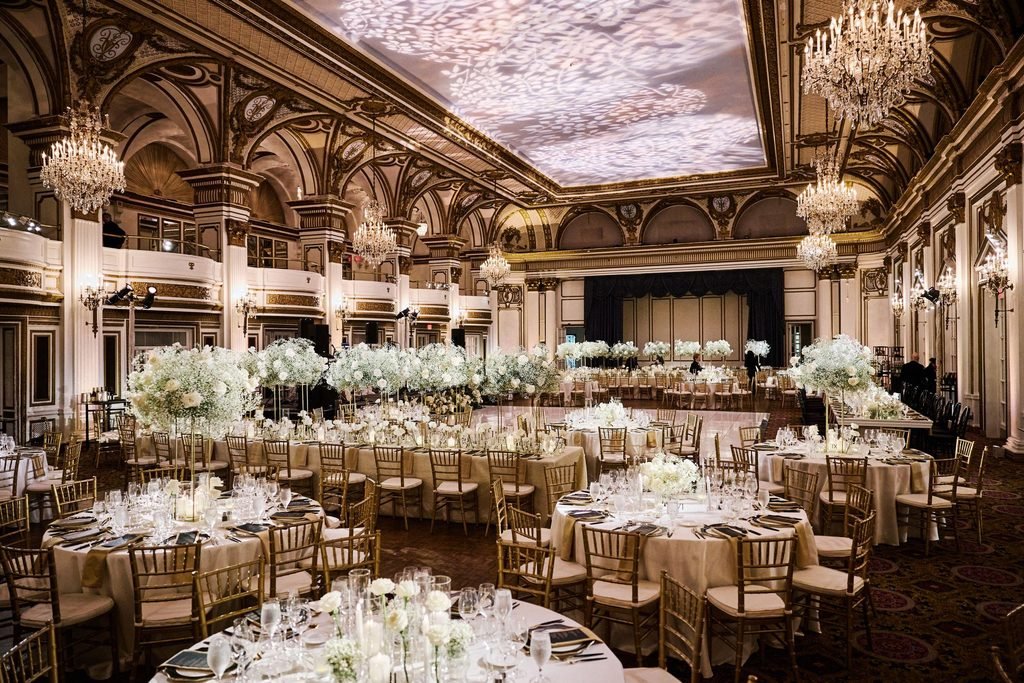
Photos, videos, reviews, and virtual tours can help you create a shortlist, but an actual site visit can reveal things that photographs cannot.
During your visit, notice:
- The atmosphere
- Cleanliness
- Lighting
- Layout
- Noise
- Accessibility
- Staff attitude
- Restrooms
- Parking
- Outdoor areas
- Condition of furniture
- Guest flow
Try to imagine a real wedding taking place there.
Where will you walk?
Where will guests sit?
Where will people eat?
Where will photographs happen?
Where will everyone dance?
Where will older guests rest?
A site visit gives you the chance to experience the venue rather than simply look at it. Wedding-industry experts interviewed by Vogue similarly recommend visiting because the physical experience can reveal layout, atmosphere, facility conditions, and logistical issues that may not appear in photographs or virtual tours.
What If You Cannot Visit the Venue?
An in-person visit is ideal, but it is not always possible.
This is especially true for destination weddings.
In that case, consider:
- A live video tour
- A detailed floor plan
- Recent wedding galleries
- Reviews from recent couples
- A direct video call with the venue manager
- An experienced local wedding planner
- A written quote
- A complete contract
Ask the venue to show you the exact spaces rather than relying on promotional photographs.
A live virtual tour can also give you the opportunity to ask questions while viewing the property.
Wedding Venue Red Flags
Not every beautiful venue is a good venue.
Watch for these warning signs.
Unclear Pricing
If the venue cannot explain what you are paying for, pause before making a deposit.
Poor Communication
If your questions repeatedly go unanswered before booking, communication may become even more difficult later.
Unexpected Fees
Ask about every additional charge before signing.
No Real Weather Backup
If an outdoor venue has no convincing alternative, think carefully before committing.
Excessive Restrictions
Rules are normal, but restrictions that prevent you from creating the wedding you want can become frustrating.
Pressure to Book Immediately
A venue may have genuine availability issues, but you should still have enough time to understand the contract and costs.
Major Differences Between Photos and Reality
If the actual venue looks significantly different from the marketing material, ask why.
How to Compare Your Final Wedding Venues
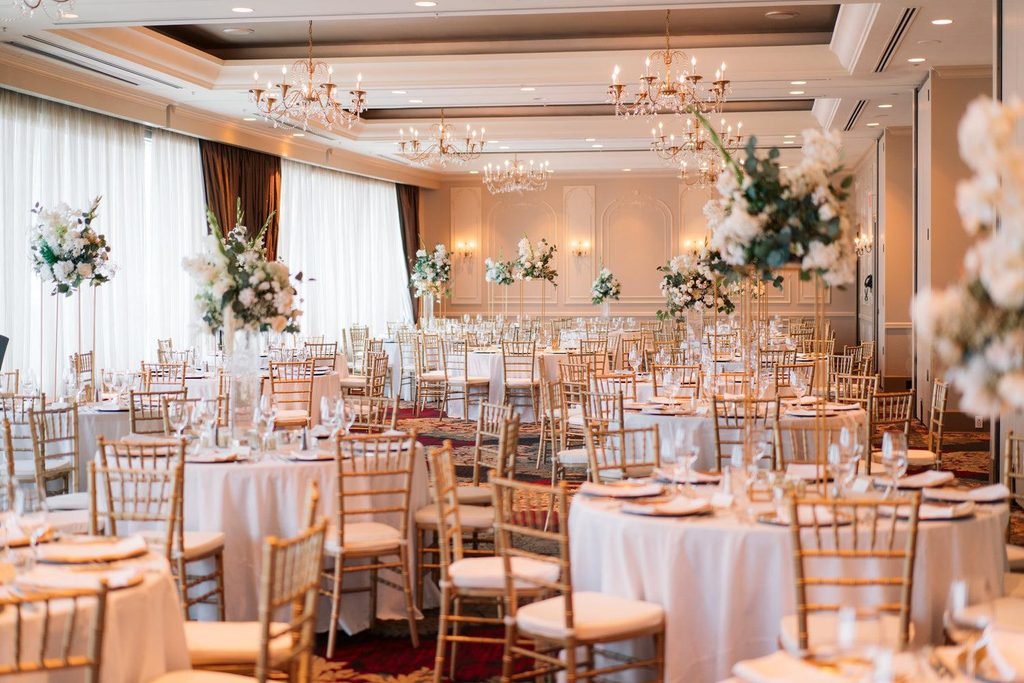
Once you have narrowed your options to two or three venues, stop relying on memory.
Create a comparison chart.
| Factor | Venue A | Venue B | Venue C |
|---|---|---|---|
| Total estimated cost | |||
| Guest capacity | |||
| Location | |||
| Accommodation | |||
| Catering | |||
| Outside vendors | |||
| Weather backup | |||
| Photography | |||
| Accessibility | |||
| Parking | |||
| Event restrictions | |||
| Included services | |||
| Contract flexibility | |||
| Overall atmosphere |
This makes it much easier to see which venue actually provides the best overall value.
Wedding Venue Styles to Consider
Garden Wedding Venues
Gardens can create a naturally romantic setting with greenery, flowers, and outdoor photography opportunities.
Check weather plans, lighting, restroom access, and evening temperature.
Beach Wedding Venues
Beach weddings can offer spectacular scenery but require careful planning around wind, heat, tides, accessibility, and guest comfort.
Hotel Wedding Venues
Hotels can be convenient because accommodation, catering, event spaces, and guest services may all be available in one location.
Historic Wedding Venues
Historic buildings can provide character and beautiful architecture, but they may have stricter rules regarding decoration, candles, noise, or alterations.
Countryside and Estate Venues
These spaces can work beautifully for relaxed or luxury celebrations, particularly when couples want privacy and outdoor space.
Restaurant Wedding Venues
Restaurants can be excellent for intimate celebrations where food and atmosphere are major priorities.
How Early Should You Choose Your Wedding Venue?
The ideal timing depends on your location, wedding season, preferred date, and venue popularity.
If your wedding date is flexible, you may have more choices.
If you have a specific date or highly sought-after venue in mind, starting earlier gives you more options.
Your venue should ideally be one of the first major decisions because it can influence the date, vendors, accommodation, transportation, and overall design of the wedding.
Should You Hire a Wedding Planner Before Choosing a Venue?
A wedding planner is not essential for every couple.
However, professional guidance can be particularly valuable for:
- Destination weddings
- Large celebrations
- Complex cultural weddings
- Multi-day events
- Luxury weddings
- Couples planning from another country
- Couples with limited planning time
Wedding planners can help compare venues, understand contracts, estimate realistic costs, and identify logistical problems before you commit. Vogue’s wedding experts specifically recommend considering a planner early because venue selection can be one of the most time-consuming parts of planning.
The Ultimate Wedding Venue Checklist
Before signing your contract, make sure you have answers to all of these questions:
Budget
- What is the complete estimated cost?
- Are taxes included?
- Are service charges included?
- Are there minimum spending requirements?
- What are the payment deadlines?
Capacity
- What is the maximum capacity?
- What is the comfortable capacity?
- Does the layout work for our guest count?
Location
- How will guests get there?
- Is parking available?
- Is accommodation nearby?
- Is transportation necessary?
Catering
- Who provides the food?
- Can we bring an outside caterer?
- Are dietary requirements accommodated?
- Is a tasting available?
- What drinks packages are available?
Vendors
- Can we choose our own suppliers?
- Are there mandatory vendors?
- Are vendor fees charged?
- What are the setup and removal rules?
Weather
- What happens if it rains?
- Is there an indoor alternative?
- Is tenting available?
- Who pays for weather-related changes?
Event
- What time can we enter?
- What time must the event end?
- Are there noise restrictions?
- Are decorations restricted?
- Are candles, confetti, or fireworks allowed?
Contract
- What happens if we cancel?
- Can we reschedule?
- Is the deposit refundable?
- Are there additional charges?
- Are all promises included in writing?
FAQs About Choosing a Wedding Venue
What is the most important thing to consider when choosing a wedding venue?
Start with your budget, guest count, location, and wedding vision. These four factors eliminate many unsuitable venues before you spend time on detailed comparisons.
How do I know if a wedding venue is the right size?
Do not look only at the venue’s maximum capacity. Ask to see a floor plan showing your expected guest count, dining tables, dance floor, entertainment, bars, and other important areas.
What should I ask a wedding venue before booking?
Ask about the total cost, inclusions, catering, vendors, capacity, weather backup, event restrictions, accommodation, access times, cancellation policy, and payment schedule.
Should the ceremony and reception be at the same venue?
Not necessarily. Having both at the same venue can simplify transportation and timing, but separate locations can work well if the travel distance and schedule are manageable.
What should I look for during a venue tour?
Pay attention to the atmosphere, layout, lighting, accessibility, restrooms, parking, guest flow, staff, photography opportunities, and weather backup.
How can I choose a wedding venue on a budget?
Start with your maximum budget, compare complete package costs rather than rental prices, consider less traditional venues, and ask exactly what is included before comparing options.
Is an outdoor wedding venue risky?
It can be, particularly if there is no reliable backup plan. An outdoor venue becomes much safer from a planning perspective when it has an attractive indoor alternative or a realistic weather contingency.
Can I choose my own wedding vendors?
It depends on the venue. Some allow complete freedom, while others have preferred or required vendors. Always ask before signing the contract.
Do I need to visit a wedding venue in person?
An in-person visit is ideal because photographs cannot show everything. However, for destination weddings, a live virtual tour, detailed floor plan, recent reviews, and trusted local planner can help you make a more informed decision.
Final Thoughts
Learning how to choose a wedding venue is not about finding the most beautiful place on the internet. It is about finding a space that works when all the pieces of your wedding come together.
The right venue should fit your guest list without feeling cramped, match your budget without creating unpleasant surprises, support your wedding style, work with your vendors, and give your guests a comfortable experience.
Look beyond the photographs.
Ask about the real cost. Walk through the ceremony and reception flow. Check the lighting. Think about weather. Investigate accommodation. Read the contract. Ask uncomfortable questions before you pay the deposit rather than discovering the answers after it is too late.
Most importantly, imagine the actual day not just the venue itself.
Can you picture yourselves walking into the ceremony? Can your guests relax there? Does the space still work if the weather changes? Can you imagine dinner, photographs, speeches, and dancing happening naturally?
When the practical details make sense and the venue still gives you that feeling of “this is where we want to get married,” you may have found the right place.