
- Understanding how credit card interest works
- Pay the full balance each month
- Use introductory offers carefully
- Avoid cash withdrawals with credit cards
- Watch out for common credit card fees
- Monitor your account regularly
- Plan spending within your credit limit
- Build good payment habits
- Frequently Asked Questions
Using a credit card in the UK can be convenient for everyday purchases, travel spending, and managing short-term cash flow. However, interest charges and additional fees can quickly increase the overall cost if the card is not used carefully. Many people assume credit cards are expensive, but in reality, a large number of UK cardholders avoid interest entirely by understanding how repayments and billing cycles work.
Credit card providers in the United Kingdom usually offer an interest-free period on purchases, provided the full statement balance is repaid each month. By planning payments carefully and understanding the common fees that can apply, it is possible to use a credit card as a useful financial tool without paying unnecessary charges. Learning how these fees work helps consumers make informed decisions and manage their credit more responsibly.
Understanding how credit card interest works
Interest on a credit card is normally charged when the balance is not fully repaid by the due date. The rate applied is usually known as the Annual Percentage Rate (APR). In the UK, credit card statements clearly show this rate so borrowers can understand the cost of carrying a balance.
If the full statement balance is cleared each month, most credit cards provide an interest-free period that typically ranges between 40 and 56 days. Once a balance is carried forward, interest may begin to accumulate on purchases and sometimes on previous balances as well. Understanding this cycle is the first step toward avoiding interest altogether.
Pay the full balance each month
One of the simplest ways to avoid credit card interest is to pay the full statement balance every month. When this happens, the lender does not charge interest on purchases made during that billing cycle.
Many UK cardholders choose to set up automatic payments or reminders to ensure the full amount is paid before the due date. Even when spending varies from month to month, paying the full balance prevents interest from being applied and keeps borrowing costs at zero.
Use introductory offers carefully
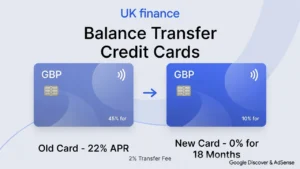
Some UK credit cards offer introductory deals such as 0% interest on purchases or balance transfers for a limited period. These offers can be useful for spreading the cost of larger purchases or reducing existing debt.
However, it is important to understand how long the promotional period lasts and what interest rate applies afterwards. If the balance is not cleared before the promotional period ends, the standard APR may apply to the remaining amount. Planning repayments in advance can help avoid unexpected interest charges later. Credit Card Eligibility Checker.
Avoid cash withdrawals with credit cards
Withdrawing cash using a credit card often leads to immediate fees and interest charges. Unlike regular purchases, cash advances typically do not benefit from an interest-free period.
UK lenders may charge a cash advance fee along with a higher interest rate on the withdrawn amount. For everyday cash needs, using a debit card or withdrawing money directly from a bank account is usually a more cost-effective option.
Watch out for common credit card fees
Credit card fees vary between providers, but some charges appear frequently across UK cards. Understanding these fees can help consumers avoid them.
| Fee Type | What It Means | How to Avoid It |
|---|---|---|
| Late payment fee | Charged if the minimum payment is missed | Set reminders or automatic payments |
| Foreign transaction fee | Applied when using the card in another currency | Use cards designed for overseas spending |
| Cash advance fee | Charged when withdrawing cash with a credit card | Use a debit card for cash withdrawals |
| Balance transfer fee | Cost of moving debt from one card to another | Check promotional offers carefully |
| Over-limit fee | Charged if spending exceeds the credit limit | Monitor spending and account alerts |
Keeping track of spending and reviewing statements regularly can reduce the risk of triggering these charges.
Monitor your account regularly
Modern banking tools make it easier than ever to manage credit card accounts. Most UK banks offer mobile apps and online dashboards where cardholders can track spending, review statements, and check upcoming payment dates.
Monitoring transactions regularly can help identify unusual activity, prevent overspending, and ensure the balance stays within manageable limits. Some banking apps also allow users to receive alerts when approaching their credit limit or when a payment is due.
Plan spending within your credit limit
Another important step in avoiding fees is to stay within the assigned credit limit. Exceeding this limit may lead to additional charges or declined transactions depending on the card provider.
Setting a personal spending limit that is lower than the actual credit limit can help maintain control over borrowing. This approach also helps maintain a healthy credit utilisation ratio, which may positively influence credit assessments in the future.
Build good payment habits
Responsible credit card use is largely about consistent habits. Paying on time, reviewing statements, and understanding card terms all help minimise costs over time.
Simple actions such as setting calendar reminders, reviewing monthly statements, and keeping track of promotional interest rates can make a significant difference. These habits allow cardholders to benefit from convenience and protection features without paying unnecessary fees.
Using a credit card responsibly can be both practical and cost-effective when the terms are clearly understood. By paying balances on time, avoiding cash advances, and monitoring spending, UK consumers can reduce the risk of interest and additional charges while maintaining better financial control.
Frequently Asked Questions
How can I avoid paying interest on a credit card in the UK?
The most reliable way to avoid interest is to pay the full statement balance before the payment due date each month. When the entire balance is cleared, most UK credit cards provide an interest-free period on purchases.
Do all UK credit cards have an interest-free period?
Most purchase credit cards offer an interest-free period if the balance is paid in full every month. However, this usually does not apply to cash withdrawals or balances that are carried forward.
What happens if I only pay the minimum payment?
Paying only the minimum payment keeps the account in good standing but interest will normally be charged on the remaining balance. Over time this can significantly increase the total cost of borrowing.
Are foreign transaction fees common on UK credit cards?
Yes, many UK credit cards charge a small percentage fee when purchases are made in another currency. Some travel-focused cards are designed to reduce or remove these fees.
💡 always check the summary box – typical fee is around 2.75–2.99%
Can late payments affect more than just fees?
Yes. In addition to late payment charges, missing a payment can also affect your credit history. Consistently paying on time helps maintain a positive credit record and avoids additional costs.