20FrenchTwistHairstylestoTryin2026
Table of Contents
Introduction
The French twist hairstyle is back, and this time it has softened up. Once the stiff, sprayed-up updo of ballrooms and boardrooms, the 2026 version keeps the same elegant vertical roll but wears it looser: natural volume at the crown, a few delicate pieces framing the face, and a finish that looks done without looking done up. It is the polished updo for winter 2026, and it works just as well for a Christmas party as it does for a wedding.
A French twist hairstyle is, at its simplest, hair gathered at the nape, twisted upwards and pinned vertically against the head. The roll hides the ends, the shape lengthens the neck, and the style stays put for hours. It suits almost every hair length from shoulder-length upwards. This guide gives you twenty ways to wear it and a step-by-step method that works at home.
Key Takeaways
- A French twist hairstyle is hair gathered at the nape, twisted upwards and pinned in a vertical roll; the 2026 version adds crown volume and soft face-framing pieces.
- You need shoulder-length hair or longer, a comb, kirby grips, U-shaped pins and flexible-hold hairspray; day-old hair grips better than freshly washed hair.
- A DIY twist takes 10 to 20 minutes once you have practised; a salon French twist hairstyle typically takes 30 to 45 minutes.
- The style works for weddings, parties, work and everyday polish, and it adapts to fine, thick, curly, short and long hair.
In This Article
- What Is a French Twist Hairstyle?
- How to Do a French Twist Hairstyle: Step by Step
- 20 French Twist Hairstyles to Try in 2026
- French Twist Hairstyle Tips for Every Hair Type
- How to Make Your French Twist Last All Day
- French Twist Hairstyle FAQs
What Is a French Twist Hairstyle?
A French twist hairstyle is a classic updo in which all the hair is swept to one side, rolled upwards into a vertical twist and pinned along the seam. The ends tuck inside the roll, so nothing hangs loose, and the finished shape is a smooth, elongated column running from the nape to the crown. It has been a formal-occasion favourite since the 1950s.
The 2026 revival is real. As HELLO! magazine reports, the twist returned on the spring/summer 2026 runways, with hairstylist Guido Palau reimagining it at The Row, and it appeared again at the autumn/winter 2026 shows in London. Stylist Claire Grech, who created a modern version for Conner Ives, describes its appeal as “done yet wearable”: timeless and elevated, yet fine for everyday wear as well as special occasions. If you are choosing a formal updo, compare it with the softer styles in our guide to wedding hairstyles for brides, which covers romantic buns and half-up looks.
How to Do a French Twist Hairstyle: Step by Step
You will need a fine-tooth comb, kirby grips in your hair colour, U-shaped pins, texturising spray and flexible-hold hairspray. Work with day-old hair; freshly washed hair is slippery.
- Prep and add grip. Brush the hair smooth, mist dry shampoo at the roots, and backcomb the crown lightly with a teasing comb, such as the Oribe Italian Resin Teasing Brush.
- Sweep to one side. Gather all the hair at the nape and sweep it to the left, holding it in your left hand. Smooth the right side with your comb so there are no bumps.
- Pin the base. Place kirby grips vertically up the centre back, crossing them in an X pattern, to anchor the twist. This hidden row of pins stops the style unravelling.
- Twist upwards. Holding the lengths in your right hand, twist the hair upwards against your head, rolling it inwards so the ends fold inside the roll.
- Tuck the ends and pin. Tuck the tail inside the top of the roll and secure the seam with U-shaped pins along the fold, adding pins at the top and bottom.
- Soften and set. Pull out two thin pieces at the temples and loosen the crown slightly with your fingertips, then mist with a flexible hairspray such as Kérastase Laque Extrême.
For a fuller walkthrough, including how the technique changes for each hair texture, Hair.com’s French twist guide covers the prep, volume and securing steps in detail. If you would rather secure the twist with a clip than pins, our guide to claw clip hairstyles shows how a large claw clip can hold a twist for a quicker, everyday version.
20 French Twist Hairstyles to Try in 2026
These twenty versions cover every occasion, hair length and texture. Start with the classic, then adapt it.
1. The Classic French Twist
The original: smooth, sleek and perfectly vertical, with every strand in place. Brush the hair completely smooth before twisting, pin along the seam in a neat vertical line, and finish with firm-hold hairspray. It suits long, straight hair best and pairs beautifully with a high neckline or an off-the-shoulder dress.
2. The Soft Modern French Twist
The 2026 update and the most wearable version on this list. Build volume at the crown with backcombing, twist loosely rather than tightly, and pull out soft pieces around the face. Use a texturising spray such as Living Proof Full Dry Volume & Texture Spray for grip, and finish with a flexible-hold spray so the style still moves.
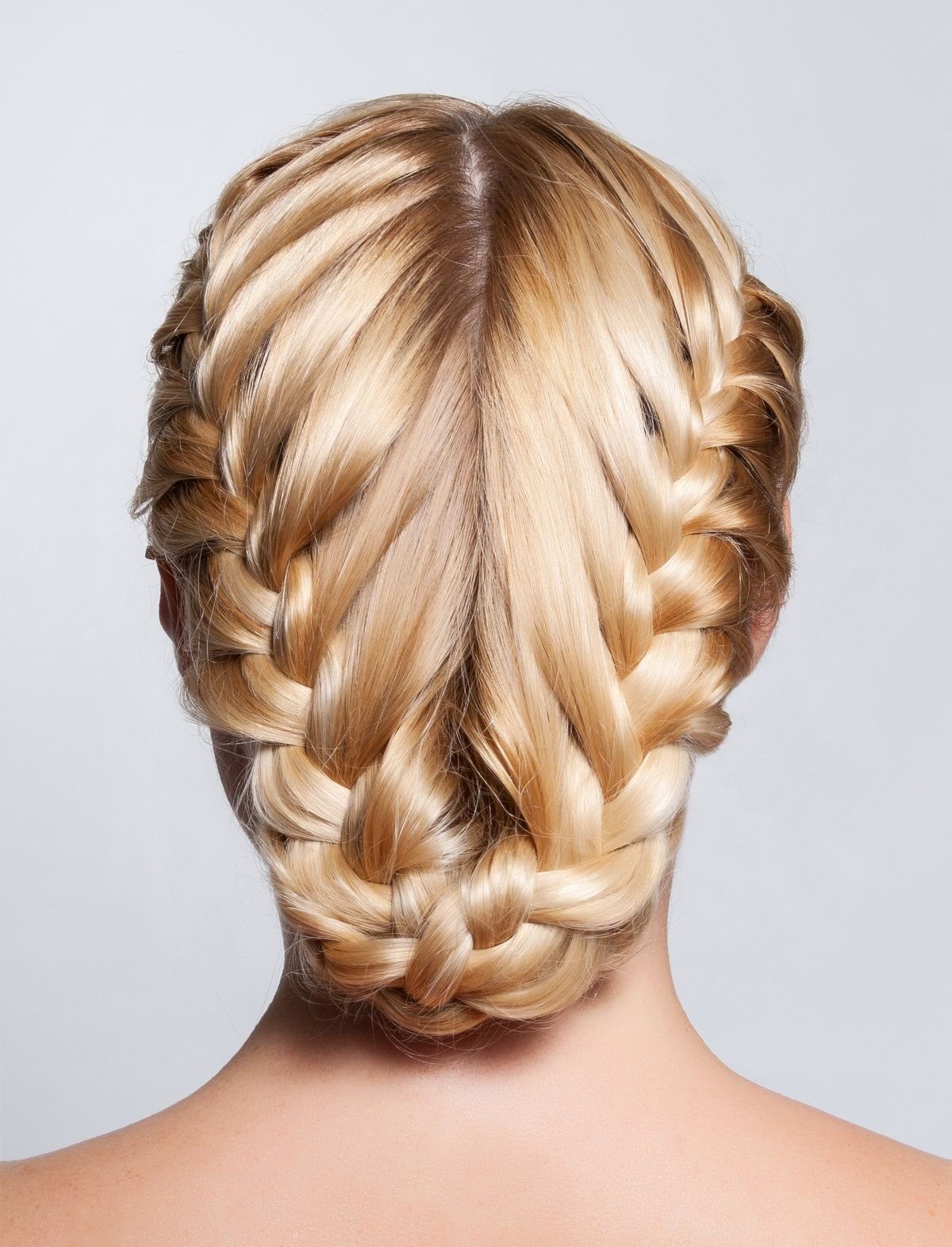
3. The Low French Twist
Worn low at the nape, this version is softer and more relaxed than the classic. Gather the hair low, twist it upwards only a short distance, and let the roll sit just above the collar. It is the easiest version for beginners to pin securely.
4. The High French Twist
The high twist sits at the crown rather than the nape, giving dramatic height and a longer-looking neck. Backcomb the crown generously, sweep the hair up high and twist from the top down. It suits oval and round faces particularly well because the height balances the face shape.
5. The Messy French Twist
Deliberately undone, with texture and loose strands throughout. Rough-dry the hair with a little sea salt spray, such as TYPEBEA S2 Sea Salt Texture Mist, twist loosely, and pull pieces out along the seam and at the crown.
6. The French Twist with Face-Framing Pieces
Leave two thin strands out at the front before you twist, then curl them loosely with a curling wand once the twist is pinned. The pieces soften the whole style and flatter square and heart-shaped faces.
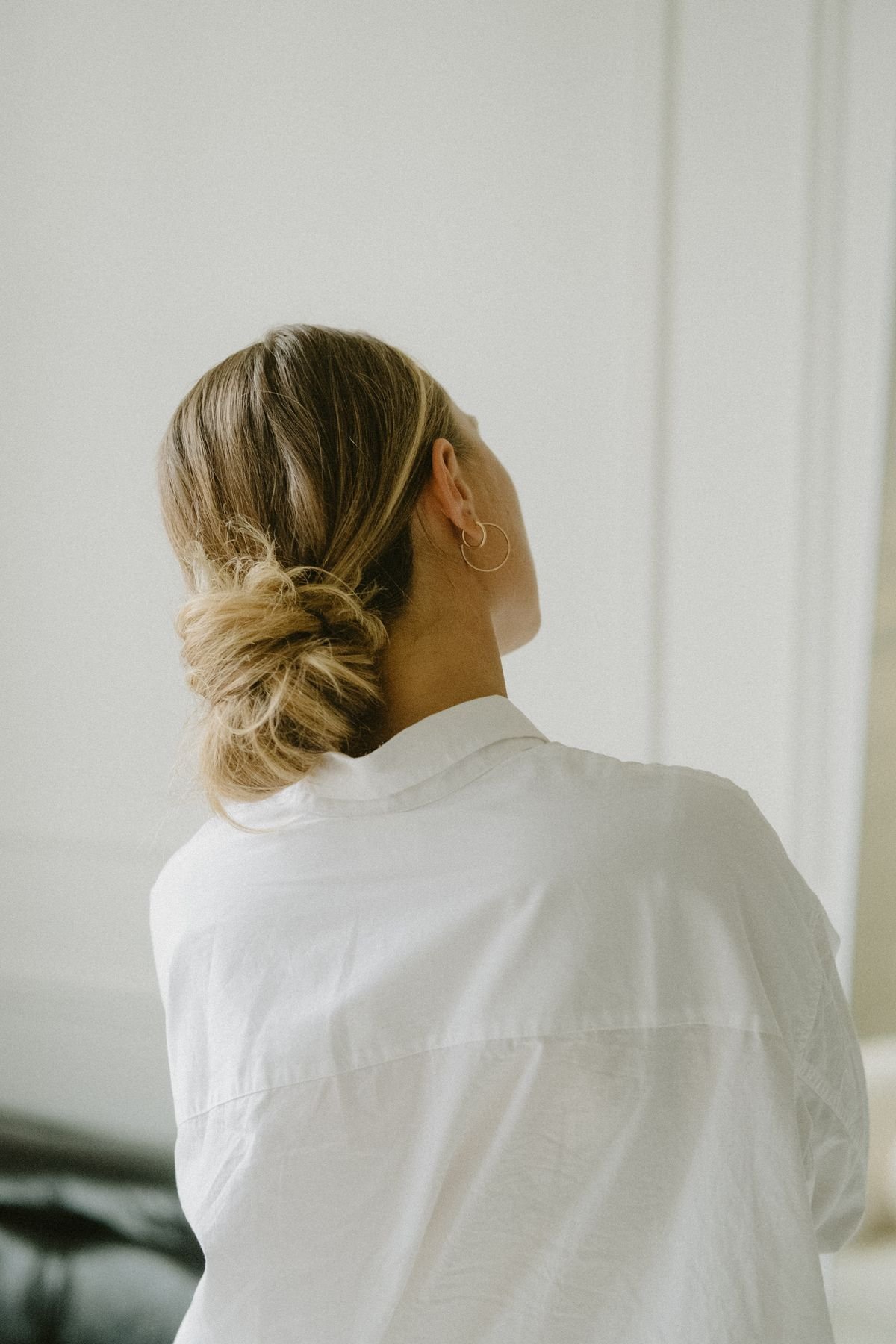
7. The Bridal French Twist
The bridal twist is the classic, softened: a smooth roll with volume at the crown, a few face-framing tendrils, and a decorative pin or fresh flowers tucked at the seam. It holds a veil beautifully, since the veil comb slides into the top of the roll. For more bridal updo ideas, see our guide to bridesmaid hairstyles.
8. The French Twist with a Veil
Designed to work with a veil rather than against it. Twist the hair slightly lower than usual and pin the veil comb just above the roll, so the veil falls over the twist instead of crushing it.
9. The French Twist with Pearls
Pearl pins or a pearl comb pressed along the seam turn a simple twist into a statement. Space three or four pearl pins evenly down the fold, or use a single pearl-embellished comb at the base. The look suits winter weddings and festive parties, and it pairs well with pearl earrings and a satin dress.
10. The French Twist with a Statement Clip
A large tortoiseshell or gold clip clipped over the seam does two jobs at once: it decorates the twist and helps hold it. Choose a clip wide enough to span the roll, such as the large claw clips from Anthropologie or a gold barrette from John Lewis.
Related: Christmas party hairstyles — more polished updos and party hair ideas for the festive season.
11. The French Twist for Short Hair
Short hair can hold a twist if it reaches at least shoulder length when pulled back. Use texturising powder at the roots for grip, twist in smaller sections, and pin generously; you will need more pins than long hair does because there is less weight holding the roll together.
12. The French Twist for Medium-Length Hair
Medium-length hair is the sweet spot for a French twist hairstyle: long enough to roll neatly, short enough that the twist is not too heavy. The classic method works exactly as written, and the ends tuck away easily without a bulky tail.
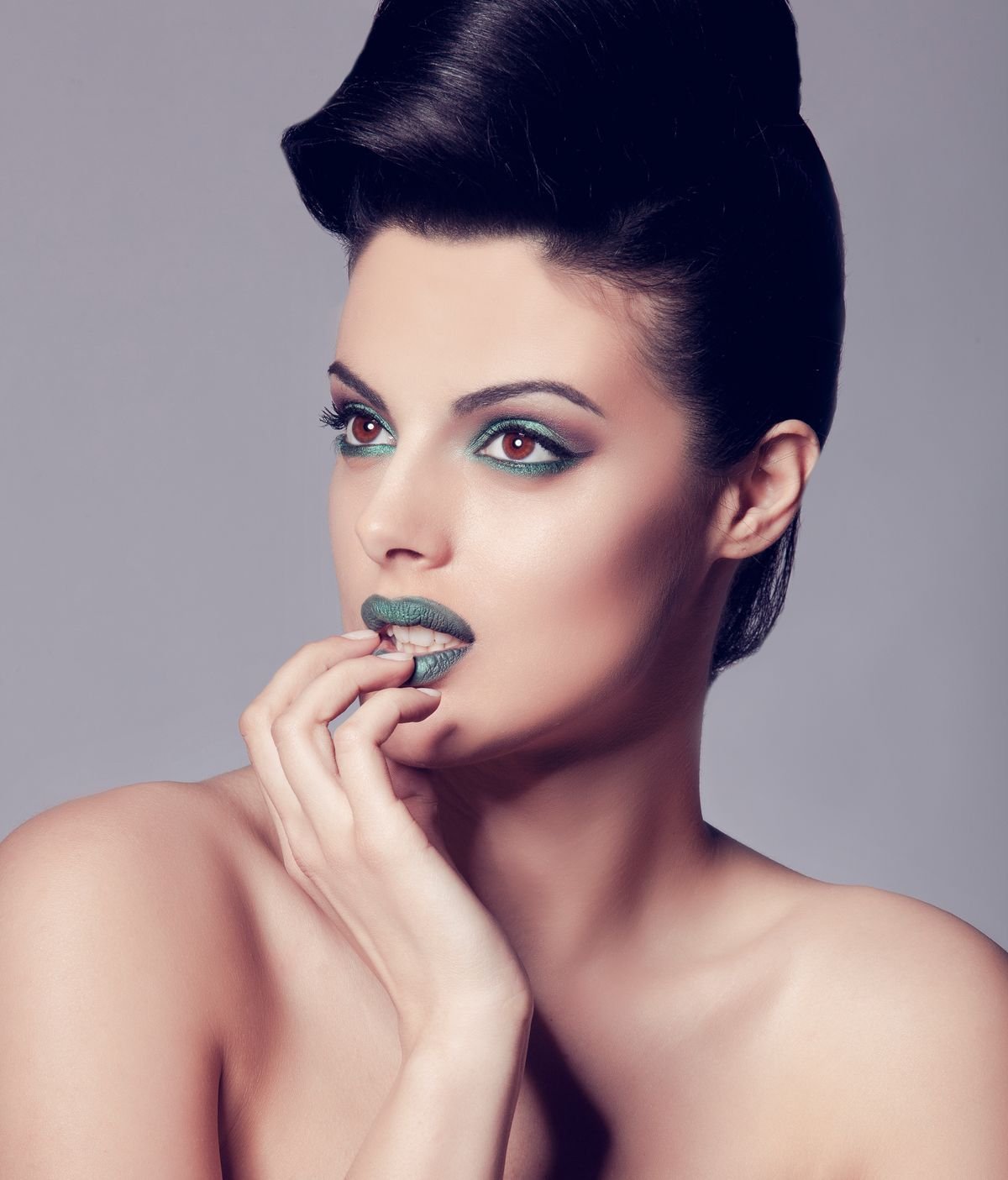
13. The French Twist for Long Hair
Long hair gives the most dramatic roll, but the tail needs managing. After twisting, fold the extra length down inside the roll rather than letting it bunch at the top, and pin the fold flat.
14. The French Twist for Curly Hair
Curly hair makes a beautiful, textured twist, but it needs taming first. Blow-dry the hair smooth with a paddle brush, or work with stretched curls rather than fully straightened hair. Use a smoothing cream, such as OUAI Hair Gloss, to control frizz along the seam.
15. The French Twist for Fine Hair
Fine hair is the hardest to twist because it slips, so grip is everything. Start with dry shampoo at the roots, backcomb the crown and the lengths, and use texturising spray generously. A volumising shampoo and conditioner, such as Redken High Rise Volume, helps if you wash your hair the same day.
16. The French Twist for Thick Hair
Thick hair holds a twist well once it is up, but the weight can pull it down. Section the hair into two or three horizontal layers and twist each one separately, pinning as you go, rather than trying to roll it all at once. Strong U-shaped pins work better than kirby grips for thick hair.
17. The Party French Twist
The party version is the soft modern twist with extra glamour: more crown volume, a deep side part, curled face-framing pieces and a sparkling pin at the seam. Pair it with bold lipstick and a sequin or velvet dress. For more festive updo inspiration, browse our Christmas party hairstyles guide.
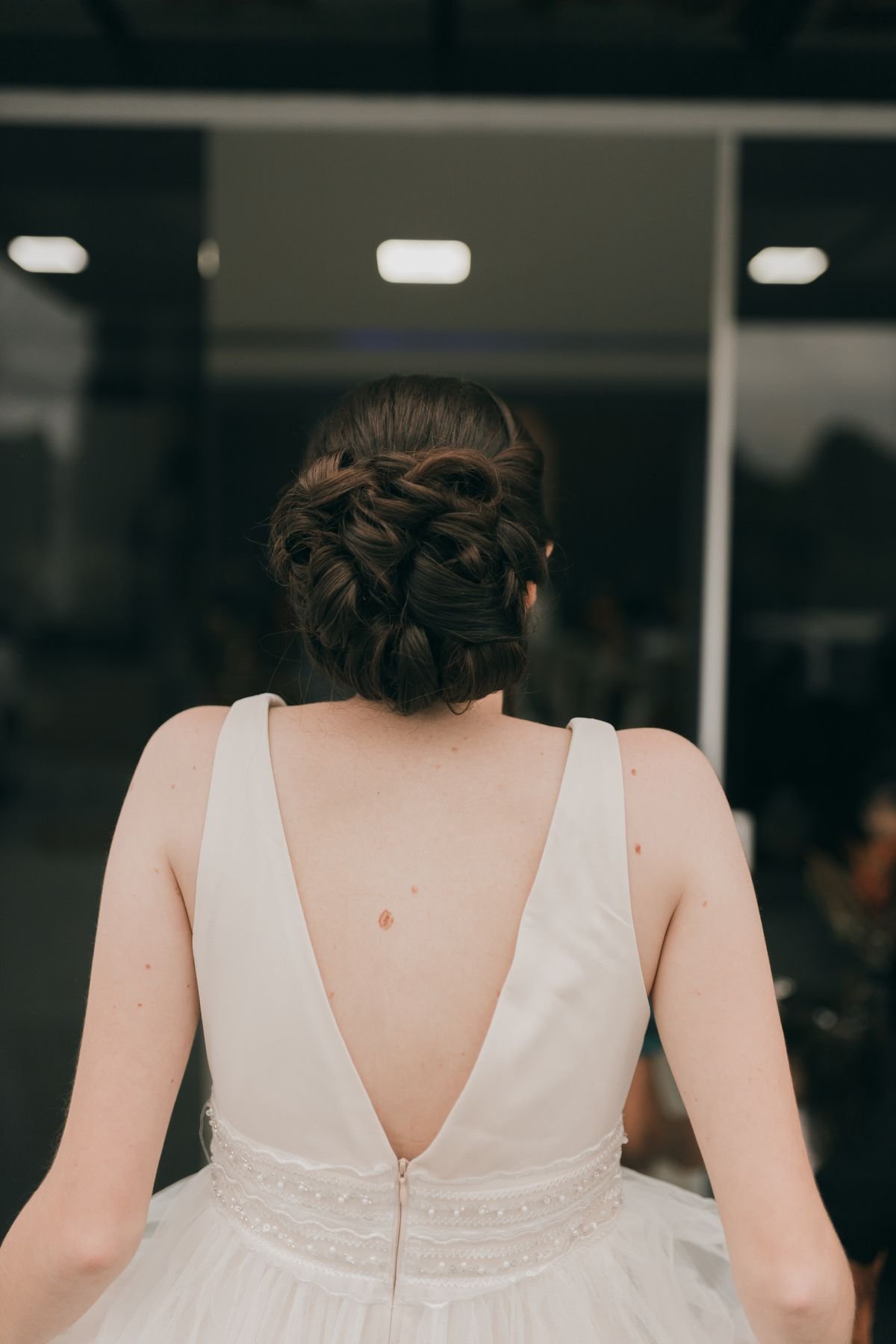
18. The French Twist with a Deep Side Part
A deep side part changes the whole character of the twist, giving it a 1930s, Art Deco feel. Part the hair sharply to one side before sweeping it back, and keep the longer side smooth and glossy over the crown. This was the version hairstylist Claire Grech created for the Conner Ives autumn/winter 2026 show, with a high-shine finish.
19. The French Twist with a Centre Part
The centre part is the most symmetrical and the most classic of the two partings. Part the hair in the middle, sweep both sides back evenly, and twist from the centre. It frames the face evenly and suits round and oval faces best.
20. The French Twist with a Claw Clip
The quickest version on this list and the one to learn first. Twist the hair up as usual, then secure the roll with a large claw clip instead of pins, letting the clip sit along the seam. It takes about five minutes, holds well for everyday wear, and looks deliberately effortless.
French Twist Hairstyle Tips for Every Hair Type
Never start with slippery, freshly washed hair; second-day hair has natural grip, and dry shampoo recreates it. Pin in an X pattern rather than in parallel lines, since crossed pins lock against each other. Match your pins to your hair colour so any that show blend in.
For fine hair, add texture before you twist and accept a slimmer roll. For thick hair, work in sections and use U-shaped pins. For curly hair, smooth the surface with a cream rather than fighting the texture. For short hair, use more pins and a faux-twist technique. For winter, a light oil on the ends before styling keeps the twist looking healthy; our guide to winter hairstyles has more cold-weather hair advice, including how to protect an updo under a hat or scarf.
How to Make Your French Twist Last All Day
Longevity comes from the prep, not the hairspray. Backcomb the crown, use texturising spray through the lengths, pin in an X pattern, and finish with a flexible-hold spray misted from a distance rather than soaked in close. Avoid touching the twist once it is set, since hands transfer oil and loosen pins. Carry spare kirby grips and a travel-size hairspray; a quick pin at the base fixes most slips. If you are a guest rather than the bride, our guide to wedding guest hairstyles covers updos that survive a long day of ceremony, photographs and dancing.
French Twist Hairstyle FAQs
How long does a French twist hairstyle take to do?
A DIY French twist hairstyle takes 10 to 20 minutes once you have practised it; allow 30 minutes on your first attempt. A salon twist usually takes 30 to 45 minutes.
How much does a French twist hairstyle cost at a salon?
In the UK, a salon French twist hairstyle typically costs between £35 and £85, depending on the salon, the location and whether it is part of a bridal package.
What hair length do you need for a French twist hairstyle?
Your hair needs to reach at least shoulder length so it can be gathered, twisted and pinned. Medium-length hair is the easiest to work with.
Is a French twist hairstyle suitable for fine hair?
Yes, with the right prep. Use dry shampoo and texturising spray for grip, backcomb the crown and the lengths, and pin in an X pattern.
Can you do a French twist hairstyle on curly hair?
Yes. Blow-dry the hair smooth first, or work with stretched curls, and use a smoothing cream along the seam to control frizz.
Does a French twist hairstyle work for a wedding?
Yes, it is one of the most popular bridal updos. It holds a veil well, photographs beautifully from every angle, and stays in place through a long day.
How do I stop my French twist hairstyle falling out?
Start with day-old hair or add dry shampoo, backcomb for grip, pin in an X pattern with U-shaped pins as well as kirby grips, and finish with hairspray misted from about 30 centimetres away.
Can I wear a French twist hairstyle every day?
Yes, the softer versions are fine for everyday wear, especially the low twist and the claw-clip twist, which take five to ten minutes.
About Business Outstanders
This guide was put together by the Business Outstanders editorial team, who research and write practical fashion and beauty guides for readers across the UK, US and Canada. Every hairstyle guide is written from current runway coverage, stylist advice and step-by-step testing notes, and checked against the latest trends before publication.