
- Understanding Credit Card Fraud in the UK
- How Fraud Protection Works on UK Credit Cards
- Section 75 Protection for Purchases
- What Your Liability Usually Looks Like
- Steps to Take if You Notice Fraud
- Everyday Tips to Prevent Credit Card Fraud
- Digital Payments and Security
- Final Thoughts
- Frequently Asked Questions
Understanding Credit Card Fraud in the UK
Credit card fraud occurs when someone uses your card details without permission to make purchases or withdraw money. With the rise of online shopping and digital payments, protecting card information has become increasingly important. UK banks and card providers use advanced monitoring systems to detect suspicious activity, but cardholders should still remain cautious.
In the United Kingdom, financial institutions operate under regulations set by the Financial Conduct Authority. These rules require lenders to provide secure payment systems and support customers who become victims of fraud. While technology helps reduce risks, understanding your rights and responsibilities is equally important.
How Fraud Protection Works on UK Credit Cards
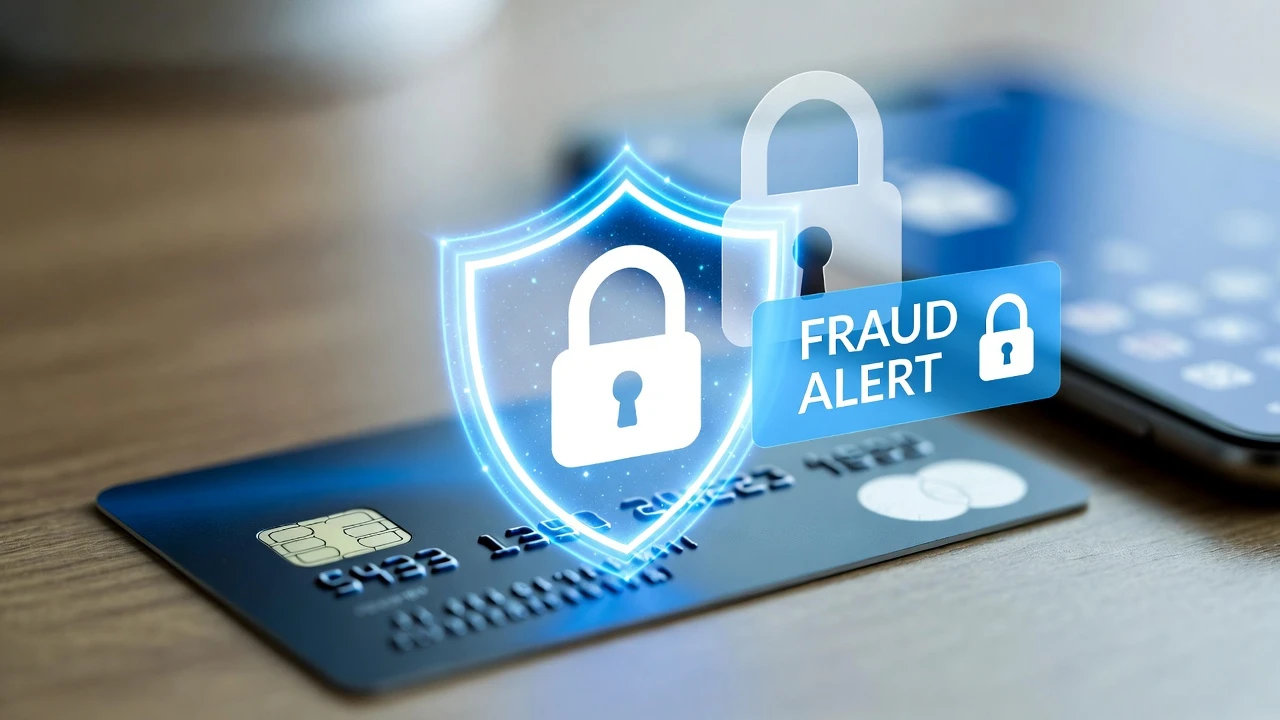
Most UK credit cards include built-in fraud protection features. These systems monitor transactions in real time and may block unusual activity. For example, if a purchase suddenly appears in another country while you are in the UK, your provider might temporarily freeze the card and contact you to confirm the transaction.
Card networks also use security technologies such as chip-and-PIN authentication and online verification systems to prevent unauthorised payments. These safeguards help reduce the chances of stolen card details being used successfully. Credit Card Eligibility Checker.
However, fraud protection works best when combined with responsible behaviour from cardholders. Keeping your card secure and regularly reviewing your statements can help detect issues early.
Section 75 Protection for Purchases
One important consumer protection in the UK is Section 75 of the Consumer Credit Act. This rule means that if you buy goods or services costing between £100 and £30,000 using a credit card, the card provider may share responsibility if something goes wrong.
For example, if a retailer fails to deliver a product or goes out of business, you may be able to claim a refund from your credit card provider. This protection does not apply to debit cards in the same way, which is why many consumers prefer using credit cards for larger purchases.
What Your Liability Usually Looks Like
In many cases, cardholders are not responsible for fraudulent transactions if they report them promptly. Providers will usually investigate the transaction and refund the amount if fraud is confirmed.
However, liability can vary depending on the circumstances. If someone shares their card details carelessly or fails to report a lost card quickly, the situation may become more complicated. That is why understanding your responsibilities as a cardholder is important.
Below is a simple overview of how liability may differ depending on the situation.
| Situation | Typical Outcome | What You Should Do |
|---|---|---|
| Unauthorised transaction detected quickly | Provider investigates and may refund the amount | Report the transaction immediately |
| Card lost or stolen | Card may be blocked and replaced | Notify your bank as soon as possible |
| Suspicious online purchase | Payment may be declined or verified | Confirm whether the purchase is yours |
| Delay in reporting fraud | Investigation may take longer | Provide all available details to the provider |
| Shared card details carelessly | Liability may vary | Follow provider guidance |
Steps to Take if You Notice Fraud
If you notice a transaction you do not recognise, contact your card provider immediately. Most banks provide 24-hour fraud reporting lines. The sooner you report the issue, the easier it is for the provider to block the card and prevent further misuse.
After reporting the incident, your provider may cancel the card and issue a replacement. They will also investigate the suspicious transaction and may temporarily refund the disputed amount while the investigation continues.
Keeping copies of receipts, emails and statements can help support your case if questions arise during the investigation.
Everyday Tips to Prevent Credit Card Fraud
Although banks provide strong security systems, small habits can make a big difference in protecting your financial information.
Avoid sharing card details through unsecured messages or unfamiliar websites. Always check that a website uses secure payment technology before entering card details. Monitoring your monthly statement is also important because it helps identify unauthorised charges quickly.
Using strong passwords and enabling two-factor authentication for online banking accounts can add another layer of protection. If you travel frequently, informing your card provider in advance may reduce the chances of legitimate transactions being blocked.
Digital Payments and Security
Modern payment systems include extra safeguards such as transaction alerts and mobile banking notifications. These tools can instantly notify you whenever your card is used, allowing you to identify unusual activity right away.
Many UK consumers now rely on mobile wallets and online payments, which use encryption technology to protect card details. While these systems are generally secure, users should still ensure their devices are protected with passcodes or biometric locks.
Final Thoughts
Fraud protection is one of the major benefits of using credit cards in the UK. With regulatory oversight from organisations like the Financial Conduct Authority, card providers must offer clear processes for reporting fraud and resolving disputes.
However, protection works best when both the bank and the cardholder play their roles. By monitoring transactions, protecting personal information and reporting suspicious activity quickly, you can significantly reduce the risk of financial loss and maintain control over your credit card security.
Frequently Asked Questions
What should I do if I notice a fraudulent credit card transaction in the UK?
If you see a transaction you do not recognise, contact your credit card provider immediately. Most banks have a 24/7 fraud reporting line. Your provider may block the card, investigate the transaction and issue a replacement if necessary.
Am I responsible for fraudulent charges on my credit card?
In many cases, cardholders are not responsible for unauthorised transactions if they report them quickly. UK lenders regulated by the Financial Conduct Authority usually investigate and refund confirmed fraud.
What is Section 75 protection on credit cards?
Section 75 of the Consumer Credit Act 1974 protects purchases between £100 and £30,000. If something goes wrong with a purchase, such as non-delivery or company failure, the credit card provider may share responsibility for a refund.
How do banks detect credit card fraud?
Banks use fraud monitoring systems that analyse transaction patterns, location changes and unusual spending behaviour. If a suspicious transaction appears, the card provider may temporarily block the payment and contact you for verification.
How can I reduce the risk of credit card fraud?
You can lower your risk by checking statements regularly, using secure websites for online payments, enabling banking alerts, and never sharing card details through unsecured messages.