

- What the Financial Conduct Authority Does
- Protecting Consumers in Financial Services
- Regulation of Credit Cards and Loans
- FCA Oversight of Financial Firms
- How the FCA Helps Maintain Market Confidence
- What the FCA Does Not Do
- Why the FCA Matters for Everyday Consumers
- Final Thoughts
- Frequently asked questions — FCA & UK regulation
The Financial Conduct Authority plays an important role in the UK’s financial system. It oversees financial firms and markets to ensure they operate fairly and transparently. For consumers, this means there are rules designed to protect people when they use financial services such as credit cards, loans, insurance, and investment products.
Understanding how the regulator works can help individuals make better financial decisions. It also helps consumers know their rights when dealing with banks, lenders, and other financial institutions.
What the Financial Conduct Authority Does
The Financial Conduct Authority (FCA) is an independent regulator responsible for supervising financial services firms in the United Kingdom. Its main goal is to ensure that markets function well and that consumers are treated fairly.
The organisation sets standards that companies must follow when offering financial products. These standards include transparency about interest rates, fees, and risks. Firms that fail to meet these requirements can face enforcement actions, fines, or restrictions.
For example, when a bank offers a credit card, the FCA requires the lender to display the representative APR clearly and explain key terms in a summary box. This helps customers compare products more easily.
Protecting Consumers in Financial Services
Consumer protection is one of the FCA’s central responsibilities. The regulator works to prevent misleading advertising, unfair charges, and irresponsible lending practices.
Financial firms must assess whether a borrower can reasonably afford credit before approving an application. This rule is intended to reduce the risk of people taking on more debt than they can manage.
The FCA also provides guidance to firms on how to support vulnerable customers. This includes individuals facing financial difficulty, illness, or unexpected changes in income.
Regulation of Credit Cards and Loans
Credit cards and personal loans are among the financial products regulated by the FCA. Providers must follow strict rules about transparency and fair treatment of customers. loan-eligibility-checker.
Key requirements include:
Clear disclosure of interest rates and fees
Responsible lending checks before approving credit
Transparent information about repayment terms
Fair handling of complaints and disputes
These regulations help ensure that lenders provide accurate information and do not hide important costs.
FCA Oversight of Financial Firms
Thousands of firms across the UK fall under FCA supervision. These include banks, building societies, investment firms, insurance providers, and payment companies.
The regulator monitors these organisations to make sure they follow the rules and operate in a way that maintains trust in financial markets. If a company breaks regulations, the FCA has the authority to investigate and apply penalties.
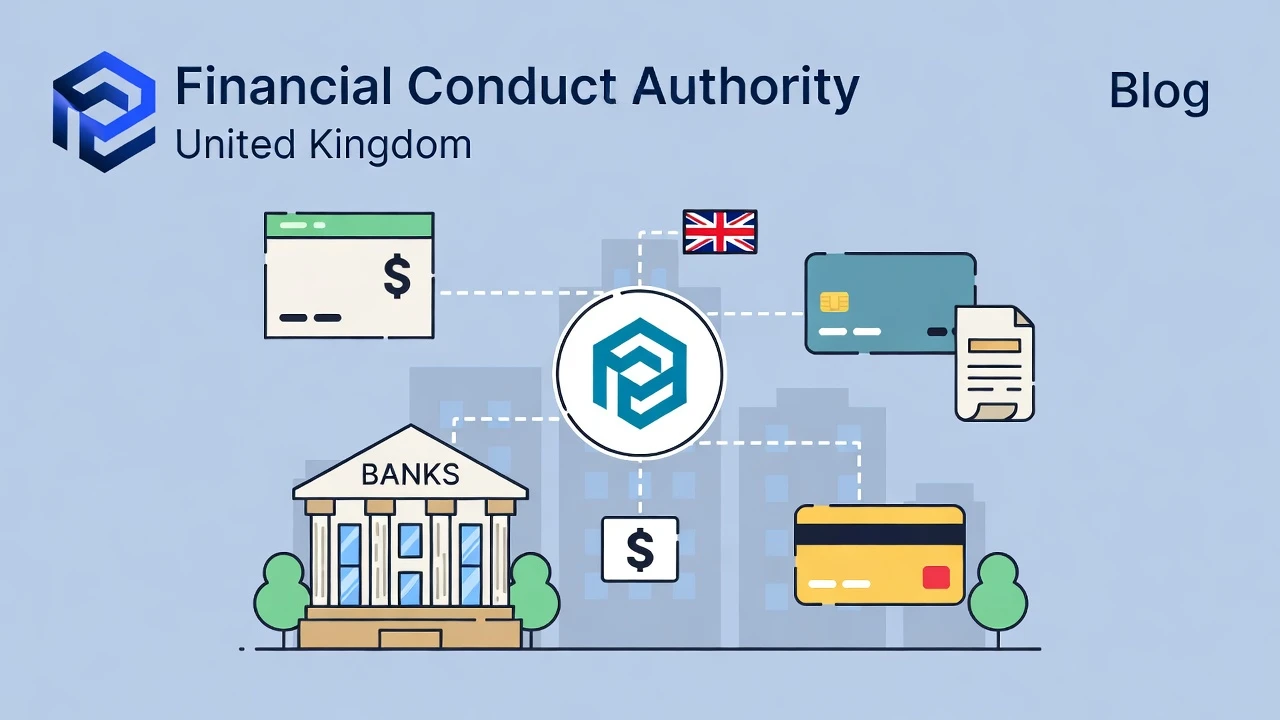
Below is a simplified overview of how the FCA interacts with financial firms and consumers.
| FCA Responsibility | What It Means | Benefit for Consumers |
|---|---|---|
| Regulation of firms | Financial companies must follow strict rules | Greater trust in financial services |
| Consumer protection | Prevents misleading practices | Clear information and fair treatment |
| Market oversight | Monitors financial markets | More stable financial environment |
| Enforcement powers | Can fine or restrict companies | Encourages compliance with regulations |
How the FCA Helps Maintain Market Confidence
Financial markets depend heavily on trust. If consumers believe financial companies are acting unfairly, confidence in the system can decline.
The FCA works to maintain confidence by ensuring that markets remain competitive and transparent. It also monitors emerging risks in the financial sector, such as new payment technologies or digital investment platforms.
Through research, policy updates, and supervision, the regulator aims to keep financial services safe and reliable for consumers.
What the FCA Does Not Do
Although the FCA regulates financial services firms, it does not directly manage banks or control interest rates. Those responsibilities belong to other institutions, including the Bank of England.
The FCA also does not provide personal financial advice. Instead, its role is to create rules that help ensure financial companies operate fairly and responsibly.
Consumers should still compare financial products carefully and read the terms before agreeing to any credit agreement.
Why the FCA Matters for Everyday Consumers
Many everyday financial products — including credit cards, loans, insurance policies, and investment accounts — are influenced by FCA regulation. This oversight helps create a safer environment for people managing their finances.
For example, if a lender fails to treat customers fairly, the FCA can intervene. In some cases, consumers may also raise complaints through organisations such as the Financial Ombudsman Service if issues cannot be resolved directly with the provider.
By enforcing clear standards and monitoring financial markets, the FCA plays a key role in maintaining consumer confidence in the UK financial system.
Final Thoughts
The Financial Conduct Authority is central to the regulation of financial services in the United Kingdom. Its rules shape how banks, lenders, and other financial firms operate, helping to protect consumers and promote fair competition.
While regulation cannot eliminate all financial risks, understanding the role of the FCA can help individuals recognise the protections that exist when using financial products. For anyone dealing with credit, savings or investments in the UK, awareness of this regulator provides useful context for making informed decisions.
Frequently asked questions — FCA & UK regulation
What is the role of the Financial Conduct Authority in the UK?
The Financial Conduct Authority supervises financial firms and markets to ensure they operate fairly. It creates rules that financial companies must follow and works to protect consumers using services such as credit cards, loans, insurance, and investments.
Is the Financial Conduct Authority a government department?
The FCA operates independently from the UK government, although it is accountable to the Treasury and Parliament. This independence helps the regulator make decisions based on market stability and consumer protection rather than political influence.
How does the FCA protect consumers?
The FCA sets standards that financial companies must follow, including clear disclosure of fees, responsible lending checks, and fair treatment of customers. It can also investigate firms that break regulations and apply enforcement actions when necessary.
Can the FCA resolve complaints against banks?
The FCA does not usually resolve individual complaints. Instead, unresolved disputes between consumers and financial firms can be taken to the Financial Ombudsman Service, which reviews cases independently.
Does the FCA regulate all financial institutions in the UK?
Many financial firms are regulated by the FCA, including banks, lenders, and investment companies. However, other organisations such as the Bank of England also oversee certain aspects of the UK financial system, particularly financial stability and monetary policy.