

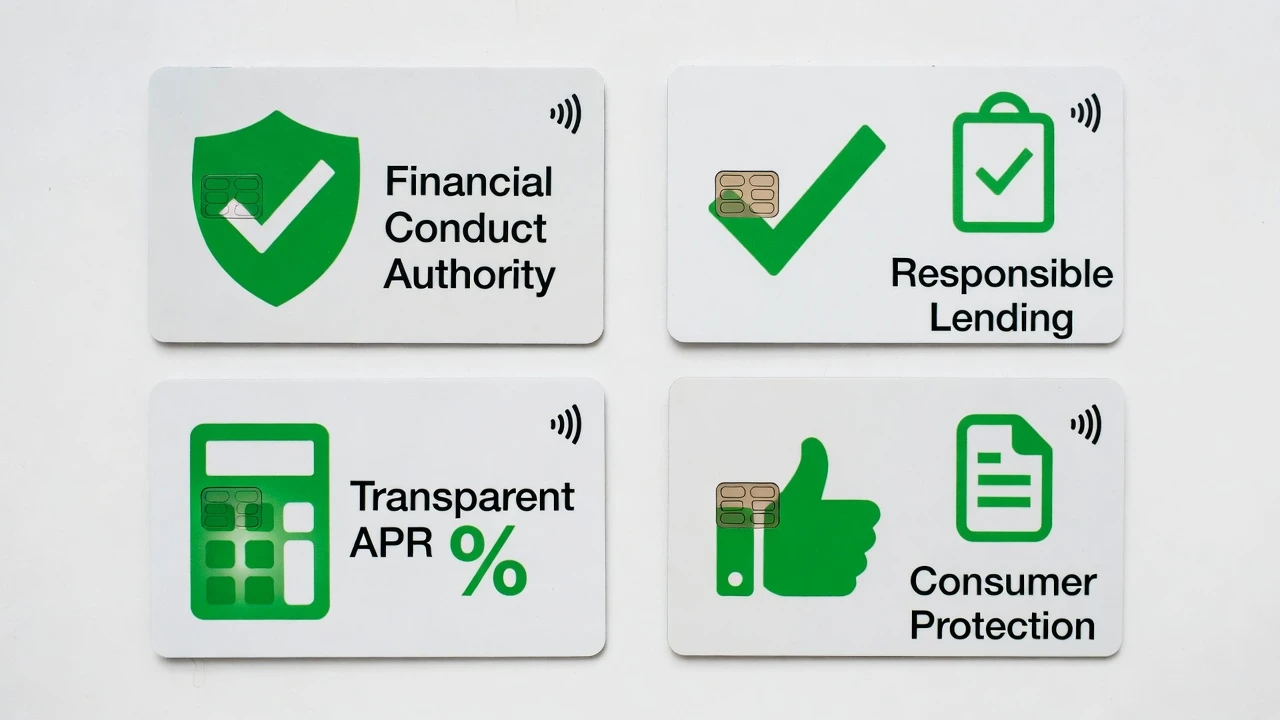
Credit cards are widely used across the United Kingdom for everyday spending, online shopping, and short-term borrowing. Because credit products involve financial risk, they are regulated to ensure consumers are treated fairly and receive clear information about costs. The main authority responsible for regulating credit card providers in the UK is the Financial Conduct Authority.
The FCA sets rules that banks and lenders must follow when offering credit cards. These rules focus on transparency, responsible lending, and consumer protection. Understanding these regulations can help cardholders make informed decisions and recognise when financial providers are not meeting required standards.
Role of the Financial Conduct Authority
The Financial Conduct Authority is responsible for supervising financial firms and protecting consumers in the UK. Credit card providers must be authorised by the FCA before they can legally offer credit services.
The regulator monitors whether lenders treat customers fairly, provide accurate product information, and assess affordability before issuing credit. If a company fails to follow FCA rules, it may face penalties, restrictions, or even lose its authorisation to operate.
Responsible lending requirements
One of the core FCA principles is responsible lending. Before approving a credit card application, lenders must assess whether the customer is likely to repay the debt without financial hardship. This typically includes checking income, existing debts, and credit history.
Credit card companies also review data from UK credit reference agencies such as Experian, Equifax, and TransUnion. These checks help determine credit limits and whether an applicant meets affordability criteria.
If a lender provides credit irresponsibly, consumers may have the right to challenge the decision through formal complaints or regulatory channels.
Transparency and disclosure rules
FCA rules require lenders to provide clear and accessible information about credit card costs. This includes the representative Annual Percentage Rate (APR), fees, interest charges, and repayment terms.
Most credit cards include a summary box that outlines key information in a standardised format. This allows consumers to compare different cards more easily and understand the long-term cost of borrowing.
Providers must also explain promotional offers, such as 0% interest periods, in a transparent way. Customers should be able to see how long the offer lasts and what interest rate will apply once it ends.
Protection for cardholders
UK credit card users also benefit from additional consumer protection measures. For example, purchases made with a credit card between £100 and £30,000 may be covered under the Consumer Credit Act through Section 75 protection. This means the card provider may share responsibility if goods or services are faulty or not delivered.
The FCA also requires firms to support customers experiencing financial difficulty. This can include offering repayment plans, reducing charges, or providing temporary payment relief when appropriate.
Key FCA principles for credit cards
The FCA’s approach to regulation is based on several core principles designed to protect consumers and ensure fair competition in financial markets.
| FCA Principle | What It Means | Why It Matters |
|---|---|---|
| Authorisation of lenders | Firms must be approved to offer credit | Protects consumers from unregulated providers |
| Responsible lending | Affordability checks before issuing credit | Reduces risk of unsustainable debt |
| Clear disclosures | Transparent APR, fees and terms | Helps consumers compare products |
| Fair treatment | Firms must treat customers fairly | Supports consumer confidence |
| Financial difficulty support | Help for struggling borrowers | Encourages responsible credit management |
These principles guide how credit card providers design products, communicate with customers, and handle complaints.
Monitoring and enforcement
The FCA regularly reviews financial firms to ensure compliance with its rules. Monitoring may include reviewing lending practices, analysing customer complaints, and investigating potential misconduct.
If the regulator finds serious breaches, it can impose fines, restrict certain activities, or require firms to compensate affected customers. These enforcement actions aim to maintain trust in the financial system and protect UK consumers.
What this means for UK consumers
For credit card users, the FCA regulation provides a framework that promotes fairness and transparency. It ensures lenders provide clear product information and assess affordability before granting credit.
However, regulation does not remove the responsibility of managing credit wisely. Consumers should still review credit agreements carefully, understand interest charges, and make payments on time to avoid unnecessary costs.
Frequently Asked Questions – credit unions & regulation
What does the FCA do in relation to credit cards?
The Financial Conduct Authority regulates lenders, sets rules for responsible lending and ensures financial firms treat customers fairly when offering credit card products.
FCA Handbook CONC applies to consumer creditAre all UK credit card providers regulated by the FCA?
Yes, companies offering credit cards in the UK must be authorised by the FCA. This helps ensure they follow consumer protection rules and operate within legal standards.
What is responsible lending under FCA rules?
Responsible lending means that lenders must check whether customers can realistically afford to repay the credit offered without experiencing financial hardship.
Can I complain if a lender breaks FCA rules?
Yes. You can raise a complaint directly with the provider and, if unresolved, escalate it to the Financial Ombudsman Service for independent review.
Do FCA rules protect me from credit card debt?
FCA regulations aim to ensure fair treatment and transparency, but managing credit responsibly remains the responsibility of the cardholder.
Always borrow within your means