





Now Reading: Deontay Wilder Heavyweight Comeback: Can the Bronze Bomber Rule Again?
-
01
Deontay Wilder Heavyweight Comeback: Can the Bronze Bomber Rule Again?

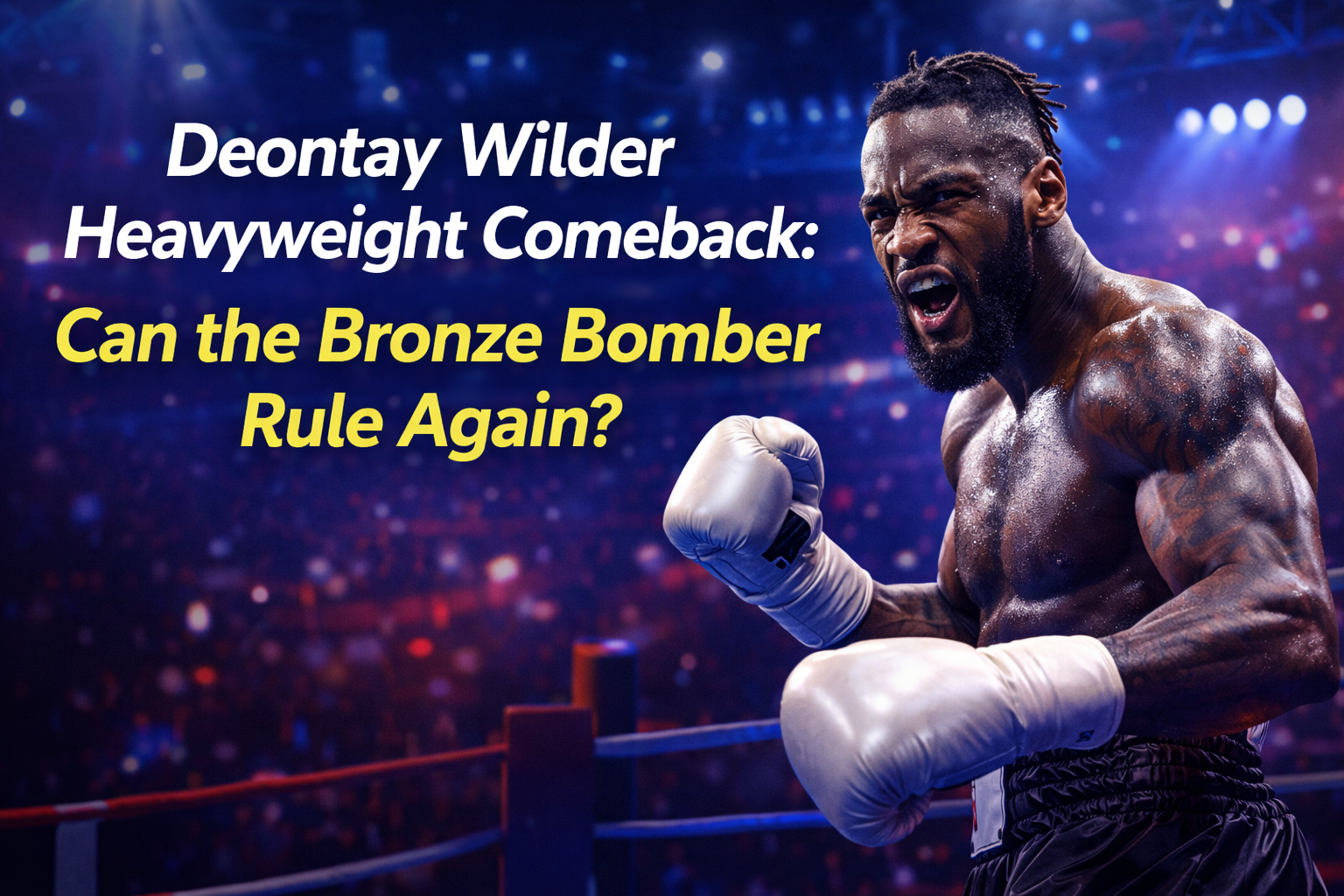
Deontay Wilder has long been one of the most electrifying figures in heavyweight boxing. Known for his devastating knockout power and fearless approach inside the ring, Wilder built a reputation as a fighter who could end a bout with a single punch. During his championship years, he thrilled fans with dramatic finishes and unforgettable performances, cementing his place among the most dangerous heavyweights of his generation.
Now, the boxing world is buzzing once again as Wilder prepares for what many see as a defining comeback. After facing setbacks and tough competition, questions remain about whether the “Bronze Bomber” can reclaim his dominance. Fans, analysts, and fighters alike are watching closely to see if Wilder still has what it takes to rule the heavyweight division.
Who Is Deontay Wilder?
Deontay Wilder is a former heavyweight champion who rose from humble beginnings to become one of boxing’s biggest stars. Originally pursuing basketball, Wilder turned to boxing later than most professionals but quickly made up for lost time with his natural athleticism and raw punching power.
Career Highlights
- Olympic bronze medalist representing the United States
- Former WBC Heavyweight Champion
- Multiple successful title defenses
- One of the highest knockout percentages in heavyweight history
Championship Reign
Wilder held the WBC heavyweight title for several years, defending it against top contenders and proving his ability to perform under pressure. His reign helped revive excitement in the heavyweight division, drawing global attention to his fights.
Reputation as One of Boxing’s Hardest Punchers
Few fighters in boxing history possess the kind of one-punch knockout ability Wilder brings to the ring. Even when trailing on the scorecards, he has repeatedly demonstrated the power to instantly change the outcome of a fight.
Why Wilder Needed a Comeback
Every great fighter faces adversity, and Wilder is no exception. Recent years have tested his resilience both physically and mentally.
Recent Defeats and Career Setbacks
Losses against elite opponents forced Wilder to reassess his strategy and training methods. These defeats highlighted areas for improvement, particularly defense and adaptability against technical fighters.
Changing Landscape of the Heavyweight Division
The heavyweight division has evolved rapidly, with new contenders emerging and established champions strengthening their positions. This shift means Wilder must not only return—but return better than ever.
Wilder’s Return to the Ring
Wilder’s comeback is more than just another fight; it represents a chance to redefine his legacy.
Fight Announcements
Rumors of major fights and high-profile matchups have fueled anticipation. Each announcement increases excitement among fans eager to witness whether Wilder can still deliver explosive performances.
Performance Updates
Training footage and reports suggest a focused and determined fighter. Observers note improvements in conditioning and preparation, signaling that Wilder is taking this chapter of his career seriously.
What This Means for His Career
A successful return could immediately place Wilder back in title contention, while a disappointing performance might narrow his path forward. The stakes could not be higher.
Key Factors That Could Shape His Comeback
Knockout Power Still Intact
Power is the last trait to fade in many fighters, and Wilder’s right hand remains legendary. If that weapon is still as dangerous as ever, he will always be a threat regardless of the opponent.
Experience Against Elite Fighters
Having shared the ring with top heavyweights, Wilder understands the pressure of big fights. This experience gives him a strategic advantage over less seasoned contenders.
Training and Motivation
Comebacks often depend on mindset. Wilder appears motivated to prove doubters wrong, and renewed dedication can transform a fighter’s performance.
Physical Conditioning
Endurance, speed, and recovery are critical in modern heavyweight boxing. Strong conditioning could allow Wilder to maintain his power deeper into fights.
Potential Opponents on the Horizon
Championship Possibilities
If Wilder strings together impressive victories, a title shot could quickly become reality. Heavyweight boxing thrives on blockbuster fights, and his name still carries significant drawing power.
Mega-Fight Rumors
Fans frequently speculate about matchups that could dominate headlines. These potential clashes promise excitement and massive global interest.
Contender Matchups
Facing rising contenders may be the most practical route back to the top. Such fights test readiness while rebuilding momentum.
Can Wilder Fight for a Title Again?
Ranking Movement
Climbing the rankings requires consistent wins against credible opponents. Wilder’s reputation may help, but performance ultimately determines position.
Promoter Interest
Promoters favor fighters who attract audiences, and Wilder has long been a fan favorite. His return could generate strong commercial opportunities.
Path Back to Championship Contention
The formula is simple but demanding: win convincingly, stay active, and seize opportunities when they arise.
Heavyweight Division in 2026: A Tough Battlefield
Rising Challengers
Young heavyweights bring speed, hunger, and modern training techniques. They represent a serious challenge for any veteran.
Established Champions
Current titleholders have proven their dominance and will not surrender their belts easily.
Increased Competition
Today’s heavyweight division is deeper than it has been in years, making every fight a potential obstacle.
Wilder vs Modern Heavyweights
Power vs Technical Skill
Many modern heavyweights rely on tactical precision, while Wilder’s style centers on explosive offense. This contrast creates compelling matchups.
Age vs Experience
While younger fighters may have physical advantages, Wilder’s experience in high-pressure bouts could balance the equation.
Fan Expectations
Supporters expect drama whenever Wilder fights. Delivering excitement will be key to sustaining his comeback narrative.
What Experts and Fans Are Saying
Predictions
Opinions are divided. Some believe Wilder remains one punch away from victory against anyone, while others question whether the division has moved beyond him.
Risks vs Rewards
A comeback carries risk, but success could elevate Wilder’s legacy to new heights.
Legacy Implications
Another title run would reinforce his status as one of the era’s defining heavyweights.
Strengths That Give Wilder an Edge
One-Punch Knockout Ability
Few fighters can match his finishing power, making him dangerous until the final bell.
Mental Resilience
Bouncing back from adversity demonstrates the mindset required for a successful return.
Big-Fight Experience
Having headlined major events, Wilder understands how to handle global attention.
Challenges He Must Overcome
Consistency
Winning once is not enough; sustained performance is essential.
Defense Improvements
Sharpening defensive skills could extend his career and reduce damage in tough fights.
Younger Competition
Emerging fighters are eager to make their mark, often targeting established names.
What a Successful Comeback Would Mean
Legacy Boost
A triumphant return could redefine Wilder’s career and secure his place among heavyweight greats.
Hall-of-Fame Conversations
Consistent success may strengthen arguments for future honors and recognition.
Global Boxing Impact
Major Wilder fights attract worldwide audiences, benefiting the sport as a whole.
Final Verdict: Can the Bronze Bomber Rule Again?
Deontay Wilder’s comeback is one of the most compelling storylines in heavyweight boxing. His unmatched knockout power, combined with experience and determination, ensures he remains a formidable presence. However, the road back to the top is filled with talented opponents and evolving challenges.
Whether Wilder can rule again depends on his ability to adapt, improve, and seize opportunities. One thing is certain—when the Bronze Bomber steps into the ring, the world watches. And as long as he carries that legendary power, the possibility of another reign cannot be counted out.
FAQs
1. Is Deontay Wilder planning a heavyweight comeback?
Yes, Wilder has shown clear intent to continue competing and pursue another run at the top of the heavyweight division.
2. What makes Deontay Wilder dangerous in the ring?
His exceptional knockout power allows him to finish fights instantly, even against elite opponents.
3. Can Wilder become heavyweight champion again?
It is possible if he secures key victories and earns a title opportunity through strong performances.
4. Who could Wilder fight next?
Potential opponents include top contenders and high-profile fighters that could position him for a championship shot.
5. How important is this comeback for Wilder’s legacy?
Extremely important. A successful return could elevate his standing in boxing history.
6. What challenges does Wilder face in today’s heavyweight division?
Younger fighters, technical champions, and intense competition make the path to a title more demanding than ever.