
- How contactless payments work
- Contactless payment limits in the UK
- Security features built into contactless cards
- What happens if your card is lost or stolen
- Practical tips for keeping your contactless card safe
- Common myths about contactless fraud
- Contactless safety features at a glance
- Why contactless payments remain widely trusted
- Frequently Asked Questions – credit unions (UK)
How contactless payments work
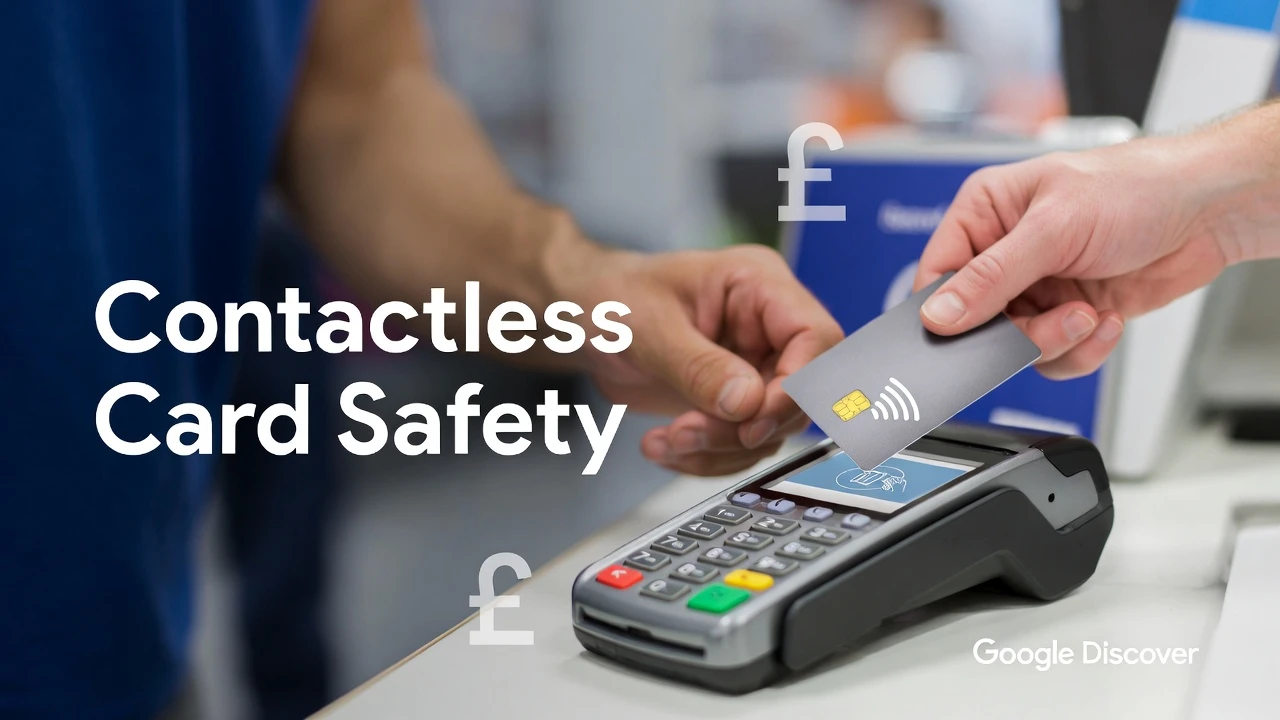
Contactless cards allow you to make quick payments by tapping your card on a payment terminal instead of inserting it and entering a PIN. The technology behind this is known as Near Field Communication (NFC), which allows secure communication between the card and the reader when they are very close together.
In the UK, contactless payments have become common in shops, supermarkets, and public transport. Card providers operate under regulations set by the Financial Conduct Authority to ensure payment systems follow security and consumer protection standards. Although the process feels simple, multiple security checks operate behind the scenes to reduce fraud risks.
Contactless payment limits in the UK
To control risk, contactless transactions usually have a spending limit. In the UK, most contactless payments are limited to a specific amount per transaction, after which the terminal may ask for a PIN verification. Banks also monitor the number of consecutive taps and may require a chip-and-PIN transaction after several payments.
These checks help confirm that the legitimate cardholder is still in control of the card. If unusual spending behaviour is detected, your bank may temporarily block the transaction until identity checks are completed.
Security features built into contactless cards
Modern contactless cards include several protection layers. The card transmits encrypted information during each payment, which means the details cannot be easily reused. In addition, every transaction generates a unique code rather than sharing the card number directly with the retailer.
Card issuers also monitor activity through automated fraud detection systems. If a transaction appears unusual, the system may trigger a security alert or request confirmation from the cardholder. These systems aim to reduce the likelihood of fraudulent activity while keeping payments convenient.
What happens if your card is lost or stolen
Losing a contactless card can feel worrying, but consumer protection rules offer safeguards. Under UK payment regulations, you may not be responsible for fraudulent spending once the card issuer has been notified.
Most banks also allow customers to freeze their cards instantly using mobile banking apps. Reporting the loss quickly helps prevent further transactions and allows the provider to issue a replacement card.
Additionally, certain purchases made with credit cards between £100 and £30,000 may be covered by protections such as Section 75 of the Consumer Credit Act 1974, which provides additional rights if goods or services are not delivered as expected.
Practical tips for keeping your contactless card safe
Although contactless cards are designed with security in mind, simple habits can reduce risks further. Keep your card in a safe place and avoid sharing it with others. Check your bank statements regularly to ensure all transactions are recognised.
Many people also enable instant transaction notifications through mobile banking apps. These alerts allow you to see purchases in real time and report anything suspicious immediately.
Common myths about contactless fraud
There is sometimes concern that criminals can easily scan contactless cards from a distance. In reality, contactless technology only works within a very short range of a few centimetres. This makes large-scale scanning extremely difficult.
Another common myth is that contactless cards have no verification system. In practice, banks regularly require chip-and-PIN verification after a certain number of contactless transactions or when spending reaches specific thresholds. These measures add another layer of security.
Contactless safety features at a glance
| Reduces the risk of large unauthorised spending | How It Works | Benefit |
|---|---|---|
| Transaction Limits | Maximum amount per contactless payment | Reduces risk of large unauthorised spending |
| Encrypted Data | Payment information is encrypted during transmission | Protects card details from interception |
| Fraud Monitoring | Banks analyse transactions in real time | Detects suspicious activity quickly |
| PIN Verification | Required after several taps or higher spending | Confirms the cardholder’s identity |
| Instant Card Freeze | Mobile banking apps allow quick card blocking | Prevents further transactions if card is lost |
Why contactless payments remain widely trusted
Despite occasional concerns, contactless technology is widely used across the UK because it balances convenience with security. The combination of transaction limits, encryption, fraud monitoring, and consumer protection rules makes the system relatively safe for everyday purchases.
However, responsible use still matters. Keeping track of your spending, protecting your card details, and reporting problems quickly all contribute to safer payments. With these precautions, contactless cards can remain a practical and secure way to pay in daily life.
Frequently Asked Questions – credit unions (UK)
Is contactless payment safe in the UK?
Yes, contactless payments are generally considered safe. Transactions are protected by encryption, spending limits and fraud monitoring systems used by banks. Payment providers also operate under rules set by the Financial Conduct Authority to ensure consumer protection and security standards are followed.
Can someone steal money by scanning my contactless card?
Contactless cards work only at a very short distance, usually a few centimetres from the reader. This makes unauthorised scanning difficult in real-world situations. Banks also monitor transactions for unusual activity and may block suspicious payments automatically.
What should I do if my contactless card is lost?
If your card is lost or stolen, contact your bank immediately or freeze the card using your banking app. Once the provider is notified, you are usually protected from further unauthorised transactions under UK payment rules.
Is there a limit for contactless payments in the UK?
Yes, most contactless payments have a maximum limit per transaction (currently £100). After several contactless purchases or once a spending threshold is reached, the terminal may ask you to enter your PIN to confirm your identity.
Do contactless payments affect credit card protection rights?
If you use a credit card, purchases between £100 and £30,000 may still be protected under Section 75 of the Consumer Credit Act 1974, which gives consumers additional rights if a product or service is not delivered as promised. Paying by contactless does not remove that protection.