20WaystoStyleBraceletsWithYourOutfitsin2026
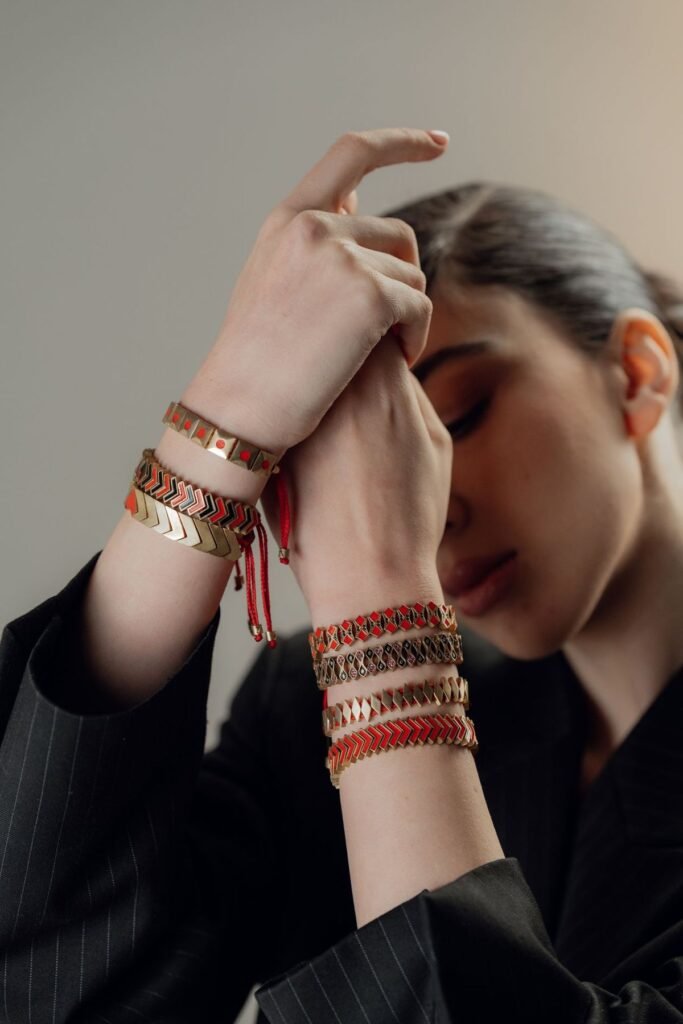
Table of Contents
A bracelet is the smallest piece of jewellery you own — and the one that does the most work. It catches the light every time you move your hand, it finishes a short sleeve, and it can make a plain outfit look considered in seconds. In 2026 the bracelet is having a proper moment: layered stacks, sculptural cuffs, tennis bracelets worn daily rather than saved for occasions, and bangles in every colour.
This guide covers 20 ways to style bracelets with your outfits — for work, weekends and evenings — plus how to build a stack that looks intentional, how to match bracelets with your other jewellery, and the mistakes that make a wrist look cluttered instead of chic.
In This Article
- Everyday Bracelet Outfits
- Bracelets for Work
- Evening and Party Bracelets
- Bracelets by Type: Bangles, Cuffs, Tennis and Charms
- How to Build a Bracelet Stack
- Mistakes to Avoid With Bracelets
- FAQs
Key Takeaways
- One bracelet is enough for work; three to five make a stack for weekends and evenings.
- Keep bracelets in the same metal tone for a cohesive look, or mix deliberately with one unifying element.
- A bracelet should sit at the wrist bone, not slide to the elbow — size matters as much as style.
- Match the bracelet to the occasion: delicate chains for the office, bold cuffs for evenings, colourful bangles for weekends.
- If your earrings are statement pieces, keep the bracelet simple — and vice versa.
Everyday Bracelet Outfits
1. The single gold bangle with jeans. A plain gold bangle with jeans, a white T-shirt and a denim jacket is the easiest bracelet outfit there is. The bangle adds a warm metallic note to a neutral outfit without any effort. Our guide to the gold bracelet covers the best styles to start a collection with.
2. The delicate chain with a linen dress. A fine gold chain bracelet with a white linen dress and leather sandals is a light, summery combination. The bracelet should be thin enough to sit flat against the wrist — a chunky chain would fight with the softness of the linen. Add a matching fine necklace for a coordinated finish.
3. The beaded bracelet with a casual top. A beaded bracelet in a soft colour — rose quartz pink, pale jade or warm amber — with jeans and a simple top adds a relaxed, personal touch. Beaded bracelets suit weekends, holidays and creative workplaces, and they are the easiest bracelet to wear if you do not usually wear jewellery.
4. The leather wrap bracelet with a knit. A leather wrap bracelet in tan or black with a chunky knit jumper and straight-leg jeans is a cosy, textured combination. The leather echoes the warmth of the knit, and the wrap style adds interest without shine. Keep the rest of your jewellery minimal — small studs are enough.
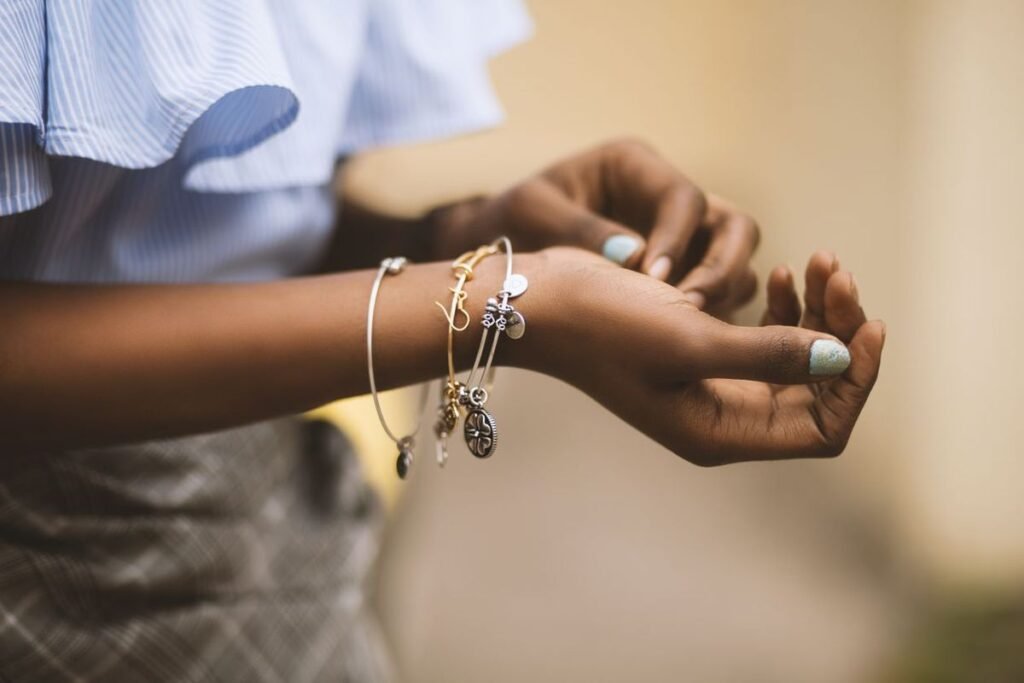
5. The charm bracelet with a sundress. A charm bracelet with a floral sundress and sandals is a nostalgic, feminine combination. Choose charms that mean something to you rather than filling the bracelet for the sake of it — a charm bracelet should tell a story, not just sparkle. If you are building one, start with three charms and add one at a time.
Bracelets for Work
6. The slim tennis bracelet with a shirt. A slim tennis bracelet with a white shirt, tailored trousers and loafers is the most polished work bracelet there is. The line of small stones catches the light without distracting anyone, and it works with a watch on the other wrist. This is the bracelet to wear to interviews, presentations and client meetings.
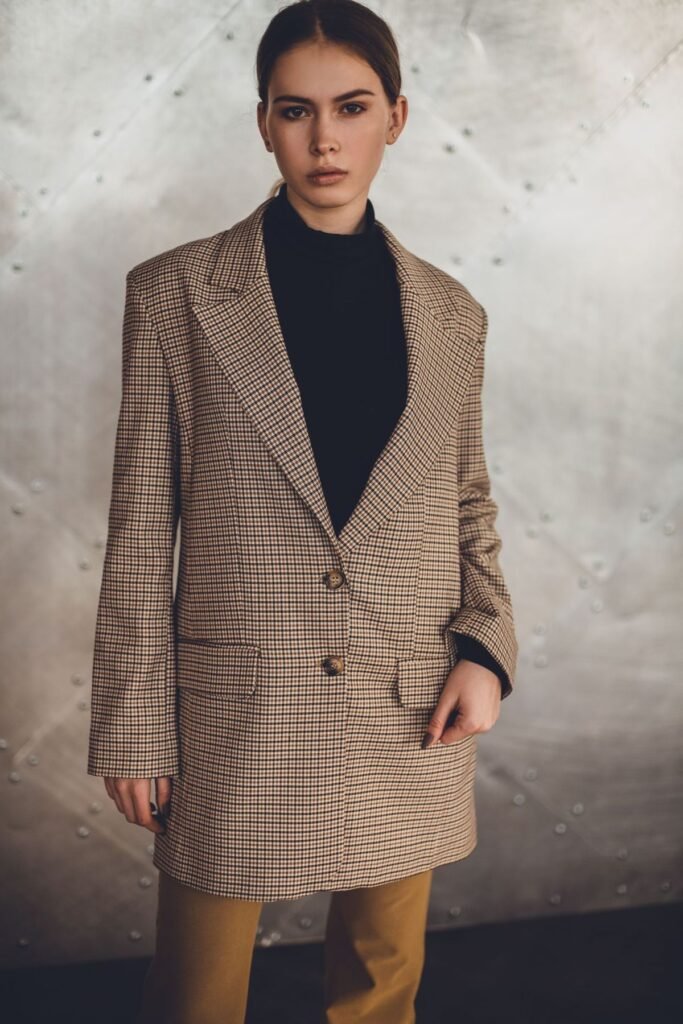
7. The plain cuff with a blazer. A plain gold or silver cuff with a blazer, a silk camisole and tailored pants is a confident work look. The cuff should be smooth and simple — no stones, no engraving — so it reads as architecture rather than decoration. Wear it on the wrist without the watch so it has room to show.
8. The minimal chain with a knit dress. A thin chain bracelet with a fine-knit midi dress and ankle boots is a quiet, professional combination for the office. The bracelet is barely there, which is the point — it adds a finished edge to a simple dress without drawing attention in a meeting.
9. The watch-and-bracelet pairing. A slim bracelet worn next to your watch — on the same wrist, sitting just above it — is the classic work styling trick. Keep the bracelet in the same metal as the watch case, and keep it thin so it does not compete. A gold watch with a thin gold chain is the safest combination; a silver watch with a silver bangle works the same way.
10. The two-bangle rule for the office. Two slim bangles in the same metal, worn together on one wrist with a shirt and smart trousers, is the maximum for most offices. They should be quiet when you move — if they clatter against your desk, they are too loose or too many. Save the full stack for the weekend.
Evening and Party Bracelets
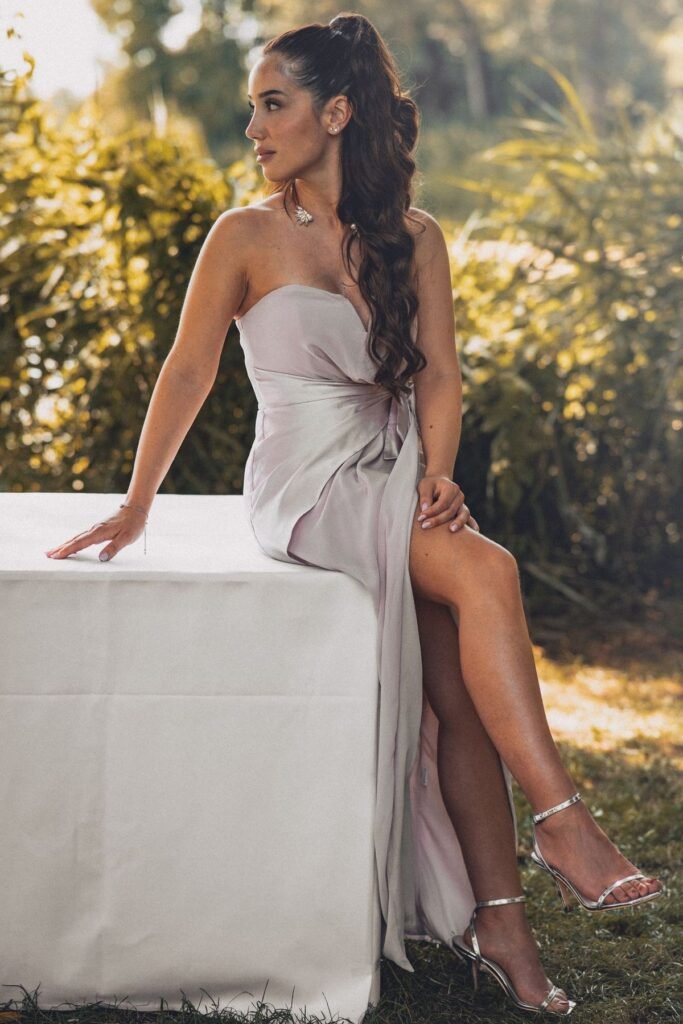
11. The statement cuff with a black dress. A wide sculptural cuff with a black dress and heeled sandals is the evening bracelet at its best. The cuff is the jewellery — skip the necklace, keep the earrings small, and let the wrist do the talking. Silver cuffs suit black dresses best; gold cuffs suit jewel tones.
12. The pearl bracelet with a satin dress. A pearl disc or pearl strand bracelet with a satin dress is a soft, romantic evening combination. Pearls catch candlelight beautifully and suit every skin tone. Our gold jewellery outfits guide shows how to pair pearls with gold for a warmer evening look.
13. The stacked bangles for a celebration. A stack of red and gold bangles with a black top or a festive dress is a joyful, celebratory combination — the kind of bracelet styling that suits Diwali parties, weddings and big birthdays. Mix widths and textures, but keep the colours to two or three so the stack looks deliberate.
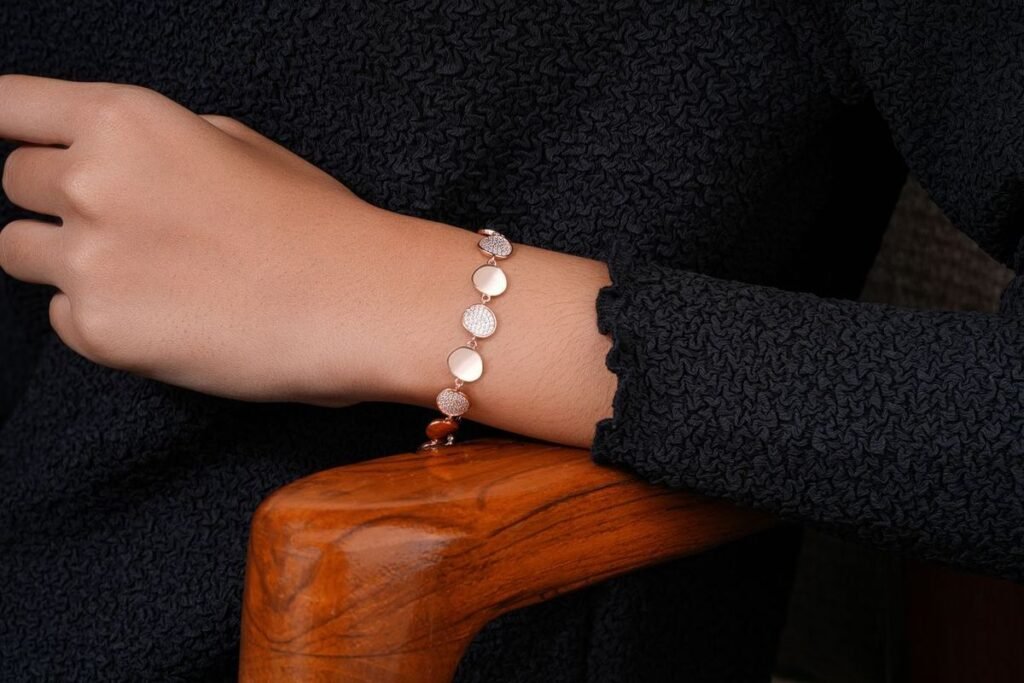
14. The crystal bracelet with a cocktail dress. A crystal or pavé bracelet with a cocktail dress and strappy heels is the party-ready option. Choose one bracelet, not a stack, so the stones can catch the light on their own. Match the crystal colour to your dress — clear crystals with anything, coloured crystals with a matching shade.
15. The layered stack for a night out. A layered stack of mixed bracelets — a chain, a bangle and a beaded strand — with a slip dress and heeled mules is a modern evening look. The mix of textures is what makes it interesting: smooth metal, beads and chain together. Keep the metals in one family (all gold or all silver) so the mix looks intentional.
Related: gold earrings — the earrings to pair with your bracelet stack.
Bracelets by Type: Bangles, Cuffs, Tennis and Charms
16. Bangles: the everyday stack. Bangles are the most versatile bracelet — they come in every metal, colour and price, and they stack easily. Start with one plain gold bangle, add a coloured enamel bangle for weekends, and a thin diamond-cut bangle for evenings. Three bangles in graduated widths look better than three identical ones. Wear bangles on the wrist that does not carry your watch, and check they fit over your hand without being so loose they slide to your elbow.
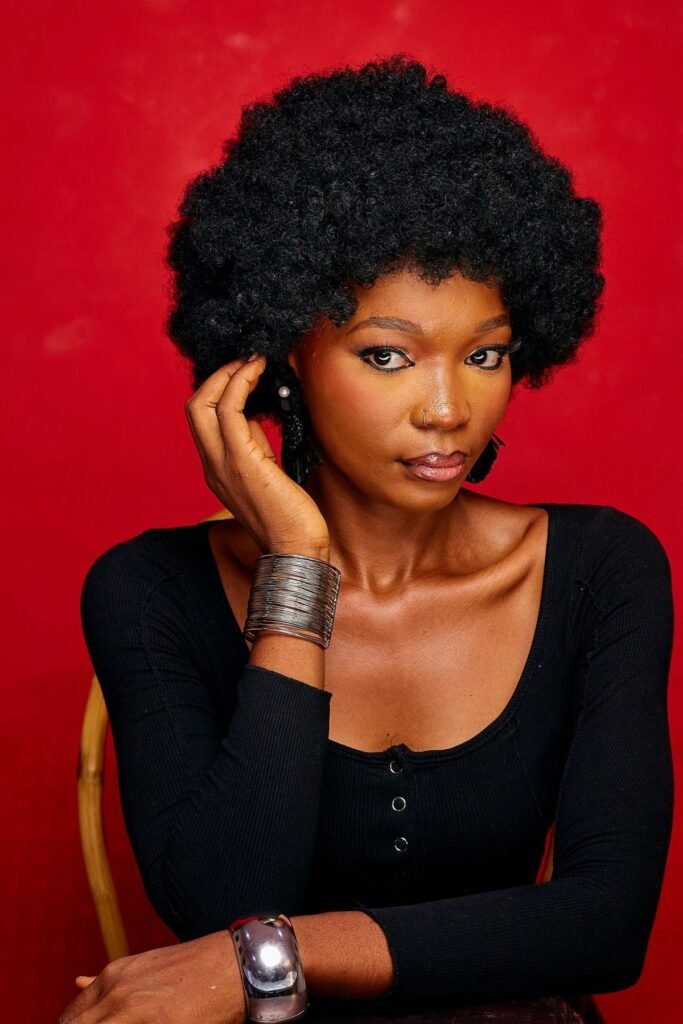
17. Cuffs: the sculptural statement. A cuff is a rigid, open bracelet that makes a statement on its own. Wide cuffs suit evening and special occasions; slim cuffs suit work and daytime. Silver cuffs look modern and cool, gold cuffs look warm and classic. A cuff should sit at the wrist bone and stay put — if it rotates freely, it is too big. Our gold bracelet guide includes cuff styles alongside bangles and chains.
18. Tennis bracelets: the daily sparkle. A tennis bracelet — a single line of small, evenly set stones — is the bracelet to wear every day if you want quiet luxury. It works with jeans, with workwear and with evening dresses, and it is the easiest bracelet to pair with other jewellery because it is so simple. Choose a slim setting for everyday wear and a larger stone size for occasions. If you buy one good bracelet this year, make it a tennis bracelet.
19. Charm bracelets: the personal one. A charm bracelet is the most personal bracelet you can own, and the styling rule is simple: let the charms be the story. Wear it with plain outfits so the charms show — a white shirt, a simple dress, a knit — and avoid wearing it with a busy print or a statement necklace that competes. Add charms slowly, one at a time, and the bracelet will become more meaningful every year.
20. Colourful bangles: the mood-lifter. Green, turquoise, coral or enamel bangles with a plain outfit — a white shirt, a black dress, a neutral knit — add colour exactly where you want it: at the wrist, where it catches the light with every gesture. One bright bangle is a detail; five bright bangles is a statement. Match one bangle to a colour in your outfit for a pulled-together look, or wear a contrasting colour for a deliberate pop.

How to Build a Bracelet Stack
A good stack looks intentional, not accidental. Start with a base — a plain bangle or a tennis bracelet — then add one piece with texture (a beaded strand or a twisted bangle) and one with a different shape (a cuff or a chain). Keep the metals in the same family: all gold tones together, or all silver tones together. Mixing metals can work, but only if one metal clearly dominates — a gold stack with a single silver piece looks like a mistake, while a gold stack with a deliberate silver-and-gold mixed bracelet looks designed. Vary the widths: a wide cuff, a medium bangle and a thin chain sit better together than three identical bangles. And always leave one wrist bare, or wear only your watch on it — two full stacks cancel each other out. For a step-by-step approach to building a stack, the adjustable bracelet styling guide from Mia by Tanishq covers stacking with textures, mixing modern and traditional designs, and styling bracelets over long sleeves — all useful if your stack includes an adjustable piece.
Balance with the rest of your jewellery matters just as much. The rule is simple: if your earrings are a statement, keep the bracelet simple; if your bracelet is the statement, keep the earrings small. A necklace and a bracelet can work together if one is delicate and the other is bold, but two bold pieces will fight. And a bracelet should never compete with a watch — wear the bracelet above the watch on the same wrist, or on the opposite wrist, never stacked over the watch face. For shopping inspiration, the gold bracelets collection from Tyaani shows how layering works in practice, from plain bangles to dual-tone and Polki designs.
Mistakes to Avoid With Bracelets
The most common mistake is wearing too many bracelets at once — a full stack on both wrists, plus a watch, plus rings on every finger, looks cluttered rather than chic. Pick one wrist for the stack and keep the other simple. The second mistake is the wrong size: a bracelet that slides to your elbow will catch on sleeves and desks, while one that is too tight will pinch and leave marks. It should sit at the wrist bone and move slightly, not freely. The third is mixing metals without a plan — gold and silver together need a deliberate bridge piece, such as a two-tone bracelet, or they look accidental. Finally, do not wear noisy bracelets to work: if your bangles clatter every time you type, they are too loose or too many for the office.
FAQs
How many bracelets should I wear at once?
One for work, two to three for smart daytime outfits, and three to five for evenings and celebrations. The exact number depends on the bracelet type — five thin chains look lighter than five wide cuffs. If in doubt, remove one before you leave the house.
Can I mix gold and silver bracelets?
Yes, if you do it deliberately. Use a two-tone bracelet as a bridge, keep one metal dominant, or mix them in a stack where the shapes and widths are consistent. Random mixing of one gold and one silver piece usually looks accidental rather than styled.
What bracelet goes with a watch?
A slim bracelet in the same metal as the watch case, worn just above the watch on the same wrist. A gold watch pairs with a thin gold chain or bangle; a silver watch pairs with a silver chain. Avoid wide cuffs next to a watch — they compete for the same space.
Are tennis bracelets still in fashion in 2026?
Yes — tennis bracelets are a classic that never goes out of fashion, and in 2026 they are being worn daily rather than saved for occasions. A slim tennis bracelet is the most versatile bracelet you can own, working with jeans, workwear and evening dresses alike.
How do I stop my bracelets from sliding down my arm?
Choose the right size — a bracelet should fit over your hand but sit at the wrist bone. Adjustable bracelets with a sliding clasp solve the problem, as do cuffs, which hold their shape. If a bangle is too loose, a small silicone bracelet sizer worn underneath will keep it in place.
Can I wear bracelets with long sleeves?
Yes — wear the bracelet over the sleeve for a deliberate, styled look, or push the sleeve up to the forearm so the bracelet shows at the wrist. A cuff or a wide bangle works best over a sleeve; a delicate chain will disappear under one, so save it for short sleeves.
What is the difference between a bangle and a bracelet?
A bangle is a rigid, circular bracelet with no clasp — it slips over the hand. “Bracelet” is the general term covering bangles, cuffs, chains, tennis bracelets and charm bracelets. All bangles are bracelets, but not all bracelets are bangles.
How much should I spend on a good bracelet?
A good everyday bracelet costs roughly £20–£60 on the high street (Astrid & Miyu, Monica Vinader, & Other Stories) and £100–£300 for solid gold or diamond pieces from a jeweller. Start with one versatile piece — a plain gold bangle or a slim tennis bracelet — and build your collection from there.
About Business Outstanders
Written by the Business Outstanders editorial team. We cover women’s fashion, beauty and wedding style for readers in the UK, US and Canada, testing trends and outfit ideas so you can wear them with confidence.