
- Eligibility Requirements for Student Credit Cards
- Age Limits and Legal Considerations
- Benefits of Student Credit Cards
- Choosing the Right Student Credit Card
- Managing a Student Credit Card Responsibly
- Common Mistakes to Avoid
- Real UK Examples
- Bottom Line
- 📌 Frequently Asked Questions (student credit cards UK)
Credit cards can be a useful financial tool for students, helping to manage spending, build credit history, and gain access to short-term credit. However, in the UK, there are specific age restrictions and eligibility criteria that students must meet before applying. Understanding these rules ensures responsible borrowing and prevents issues with credit applications.
Being a student does not automatically guarantee a credit card. Lenders consider income, credit history, and repayment ability alongside age. Most UK credit card providers require applicants to be at least 18 years old, though some cards for students are specifically designed for those aged 18–24. These cards typically have lower credit limits and manageable interest rates to reduce the risk of debt accumulation.
Eligibility Requirements for Student Credit Cards
Student credit cards are designed to balance accessibility with responsible lending. To apply, students usually need to provide:
- Proof of student status (university or college ID)
- UK residency
- Some form of income, such as part-time work, student loans, or parental support
Even with these criteria, the lender will evaluate your creditworthiness. For students with no prior credit history, credit builder student cards can be an effective way to establish a positive record without incurring high risk. These cards encourage timely repayment and educate users on credit management.
Age Limits and Legal Considerations
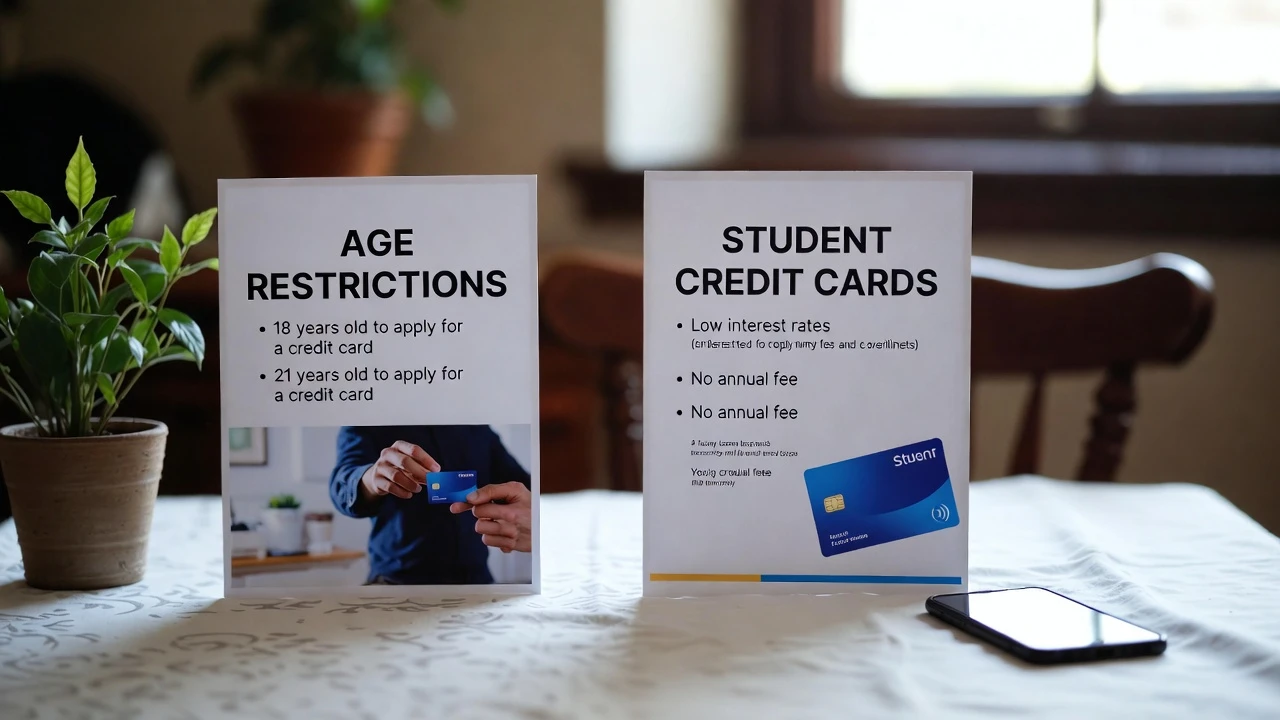
In the UK, it’s illegal for lenders to offer a credit card to someone under 18. This rule ensures that young people cannot incur debt before they have the legal capacity to manage it. Additionally, banks must comply with FCA regulations, which require responsible lending checks and transparent disclosure of interest rates, fees, and repayment obligations.
For students aged 18–24, credit limits are usually modest, often £250–£1,000, to avoid overextension. Lenders also set higher APRs for student cards compared to regular low-rate credit cards, reflecting the perceived risk of lending to individuals with limited income and minimal credit history.
Benefits of Student Credit Cards
Despite restrictions, student credit cards offer several advantages:
- Building Credit History: Making timely repayments improves your credit score, which is crucial for future loans or mortgages.
- Financial Independence: Enables responsible spending without relying entirely on cash or debit accounts.
- Rewards Programs: Some student cards offer cashback, discounts, or loyalty points for everyday purchases, providing additional incentives to use the card responsibly.
It’s important to note that these benefits are maximised only if balances are paid in full each month. Carrying debt can lead to high-interest charges and negatively affect your credit score.
Choosing the Right Student Credit Card
When evaluating options, students should consider several factors:
- APR and Interest Rates: Look for low rates, especially if there’s a chance you won’t pay off your balance monthly.
- Credit Limit: Ensure the limit matches your monthly budget to avoid overspending.
- Additional Fees: Check annual fees, cash withdrawal charges, and foreign transaction fees if you travel.
- Rewards and Perks: Some cards provide cashback, discounts, or loyalty rewards, but these should not override financial responsibility.
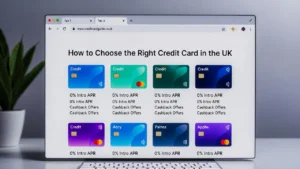
Comparison websites can help students compare multiple cards at a glance, showing APR, credit limits, fees, and introductory offers in a single table. Using an eligibility checker is also recommended to see which cards are most likely to approve your application without affecting your credit score.
Managing a Student Credit Card Responsibly
Even with small limits, mismanaging a credit card can harm your financial future. Key points include:
- Always pay at least the minimum payment by the due date.
- Avoid unnecessary cash withdrawals, which carry high fees.
- Keep track of promotional periods for 0% APR offers.
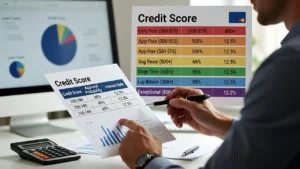
- Monitor your credit score regularly through UK credit reference agencies such as Experian, Equifax, and TransUnion.
Building good habits now helps students maintain a strong financial foundation into their 20s and 30s.
Common Mistakes to Avoid
Students frequently make errors such as:
- Applying for multiple cards at once, which can affect your credit file.
- Spending beyond their budget because of perceived “available credit.”
- Ignoring the impact of missed payments on credit scores.
Avoiding these mistakes ensures that the student credit card serves as a learning tool rather than a source of debt stress.
Real UK Examples
- Sarah, 19, London: Uses a £500 student credit card to pay for textbooks and part-time expenses. She repays in full each month, building her credit score for a future car loan.
- James, 21, Manchester: Applied for a 0% interest student card to cover living costs during term time. He carefully tracks spending to avoid high-interest charges when the introductory period ends.
These scenarios show that student credit cards, when used responsibly, can offer financial flexibility and credit-building benefits.
Bottom Line
Student credit cards in the UK provide a structured way to learn credit management while building a positive credit history. Age restrictions and eligibility requirements are in place to protect young borrowers, and careful selection ensures the card aligns with personal spending habits. By understanding APR, fees, credit limits, and repayment strategies, students can enjoy financial independence without risking debt accumulation.
📌 Frequently Asked Questions (student credit cards UK)
At what age can I apply for a student credit card in the UK?
You must be at least 18 years old. Most student credit cards target ages 18–24, with lower credit limits for responsible lending.
Can I get a student credit card with no income?
Some lenders accept student loans or parental support as proof of income, but having a regular income increases approval chances.
Are student credit cards high-interest?
APR can be higher than standard credit cards, but paying the balance in full each month avoids interest charges.
⏱️ typical purchase APR for student cards: 18.9% – 29.9% representative (variable).
How do I check which student cards I can get?
Use an online eligibility checker. It performs a soft credit search and won’t affect your credit score.
Can using a student credit card improve my credit score?
Yes, making timely payments and keeping balances low helps build a positive credit history for future borrowing.