25BIABNailsIdeasforStrong,BeautifulNailsin2026
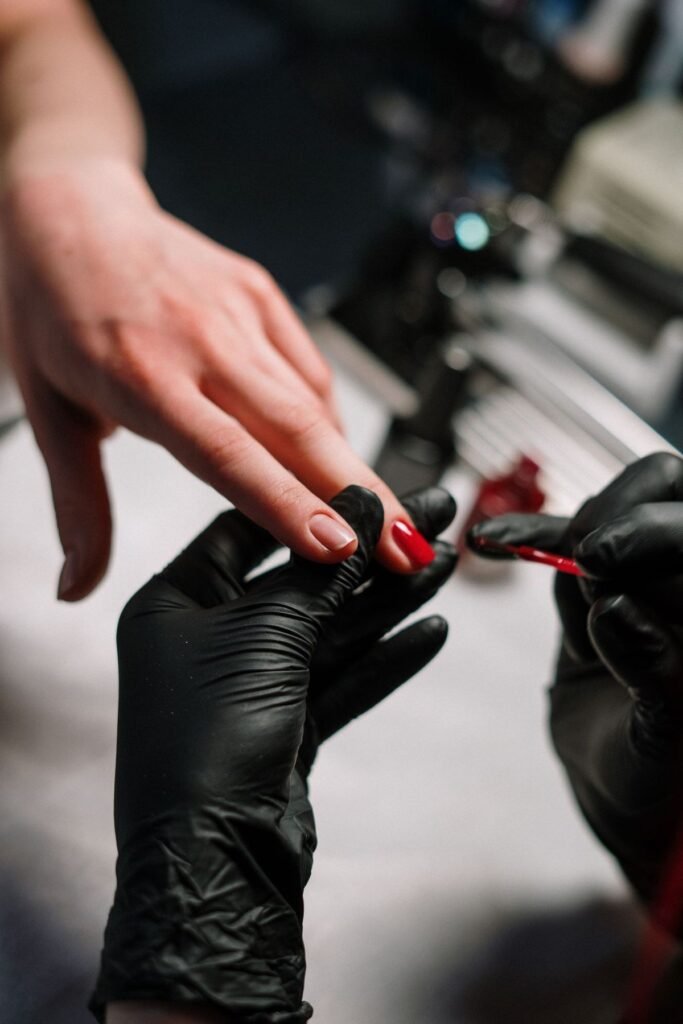
Table of Contents
If your natural nails keep splitting, peeling or snapping just as they reach a decent length, BIAB could be the treatment that finally breaks the cycle. Short for builder in a bottle, BIAB is a strengthening gel applied over your natural nail that adds a protective, flexible layer, helping nails grow longer and stronger without extensions. It has become one of the most requested manicures in UK salons: the finish looks like a polished natural nail, only better.
In this guide, we explain what BIAB is, who it suits, what it costs in the UK, how to look after it, and share 25 BIAB nails ideas for 2026 — from barely-there nudes and classic French tips to chrome glamour and seasonal colour.
Key Takeaways
- BIAB (builder in a bottle) is a soak-off builder gel brushed over your natural nails to add strength and help them grow without extensions.
- A BIAB manicure typically costs £30–£50 in a UK salon, with infills every 3–4 weeks costing around £30–£45.
- BIAB usually lasts 3–4 weeks with minimal chipping when applied and removed correctly.
- It suits weak, brittle or slow-growing nails best, but it is not ideal if you want dramatic length — extensions are better for that.
- Never peel or force BIAB off: soak-off removal by a trained nail technician protects the natural nail underneath.
In This Article
- What Is BIAB?
- Who Does BIAB Suit?
- BIAB at the Salon vs At Home
- Natural and Nude BIAB Ideas
- French and Classic BIAB Ideas
- BIAB Colour Ideas
- Glamour and Occasion BIAB Ideas
- Seasonal and Fun BIAB Ideas
- How Much Does BIAB Cost in the UK?
- BIAB Maintenance and Removal
- BIAB Mistakes to Avoid
- Frequently Asked Questions
What Is BIAB?
BIAB stands for builder in a bottle. It is a thick, soak-off gel that comes in a polish-style bottle and is painted onto the natural nail in layers, then cured under a UV or LED lamp. Unlike regular gel polish, which is thin and mainly decorative, builder gel has real structure: it builds a slightly thicker, stronger layer over the nail plate that flexes a little rather than cracking.
The original BIAB was created by The Gel Bottle, but the term is now used generically for builder gels from many professional brands. Most come in nude, pink and milky shades, so they can be worn alone for a natural look or as a strengthening base under gel colour, French tips or nail art. A full appointment usually takes 60–90 minutes: prep, a base coat, two or so layers of builder gel shaped into a slightly domed apex for strength, then a top coat.
Who Does BIAB Suit?
BIAB is ideal if your nails are weak, thin, bendy or prone to splitting, or if you struggle to grow them past a certain length. Because the builder layer protects the free edge, nails that would normally snap get the chance to grow underneath. It works on short nails as well as longer ones, and on most shapes, from rounded and oval to squoval and almond.
BIAB is less suitable if you want instant dramatic length — builder gel adds strength, not length, so extensions are the better route for that. It may also not suit you if you have a known allergy to gel products (HEMA is a common allergen, though HEMA-free builder gels are now widely available). If your nails are damaged or infected, let them recover first and ask a professional for advice.
BIAB at the Salon vs At Home
A salon BIAB manicure is the safest starting point, especially for your first few appointments. A trained technician preps the nail plate correctly, builds the apex in the right place, and removes the product safely at infill time. Look for a salon with strong reviews and hygienic practices, and ask which builder brand they use.
At-home BIAB kits are now widely sold in the UK and can work well if you already know gel application basics. You will need a UV/LED lamp, builder gel, base and top coats, a file and buffer, cuticle oil and acetone for removal. The learning curve is real: too-thick application looks bulky, and poor prep causes lifting. Never cure gel on skin, and follow the manufacturer’s instructions carefully.
Related: If you love a natural-looking finish, explore our naked nails ideas for sheer, barely-there inspiration.
Natural and Nude BIAB Ideas
Natural BIAB is where the treatment shines. These looks enhance your own nails rather than disguising them, and they pair with everything in your wardrobe.
1. Milky Nude BIAB
A soft milky nude evens out the nail bed, hides ridges and looks polished without trying. Choose a warm nude for yellow undertones, or a cooler milky tone for pink undertones.
2. Sheer Pink BIAB
Sheer pink gives the classic my nails but better effect. Regrowth is barely visible, so you can stretch appointments to a full four weeks.
3. Classic Bare Nude
A nude BIAB shade matched to your skin tone with a high-gloss top coat reads as groomed and professional, and suits every dress code from the office to a wedding.
4. Milky White BIAB
Milky white is softer than stark white polish and more flattering on natural nails. It brightens the hands, looks fresh in summer, and works beautifully on short nails.
5. Soft Beige BIAB
A muted beige sits between nude and taupe and is a chic neutral for autumn and winter. Pair it with a short squoval shape for a clean, modern finish.
French and Classic BIAB Ideas
BIAB makes an excellent base for French manicures because the builder layer creates a smooth, even canvas and the tips last far longer than with regular polish.
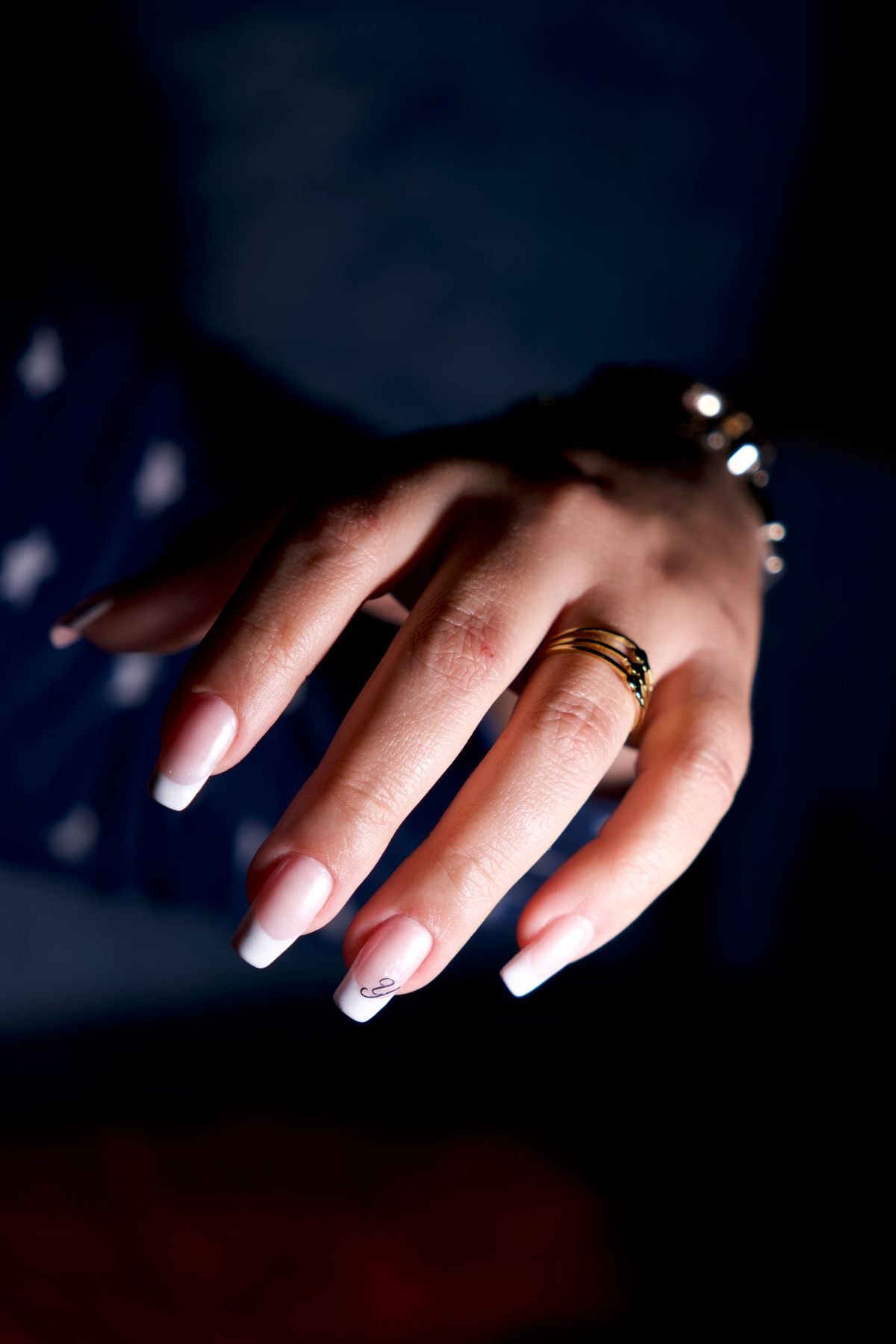
6. Classic French BIAB
A sheer pink BIAB base with crisp white tips is timeless. On BIAB, the smile line stays sharp for weeks, making this the go-to for weddings and special occasions.
7. Micro French BIAB
The micro French — a very thin white line along the tip — is the modern, minimalist version of the classic. Subtle, elegant and ideal for short nails.
8. French Ombre BIAB
Also called a baby boomer, this blends a soft pink base into a white tip with no harsh line. Flattering on every skin tone and a favourite for brides.
BIAB Colour Ideas
Builder gel does not mean boring. Once the BIAB base is in place, any gel colour can go over it, so you can change your shade at every infill without losing the strengthening benefits.
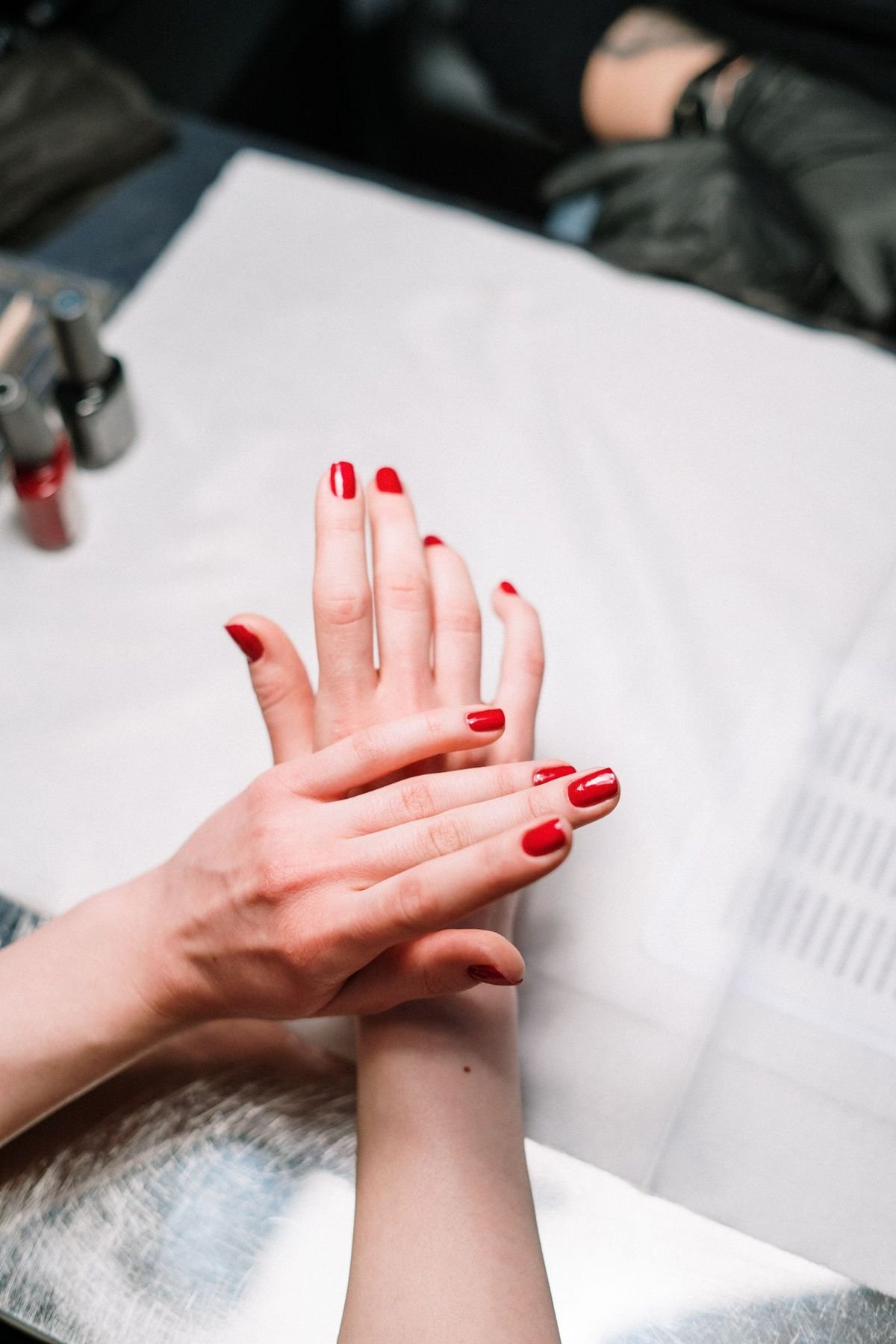
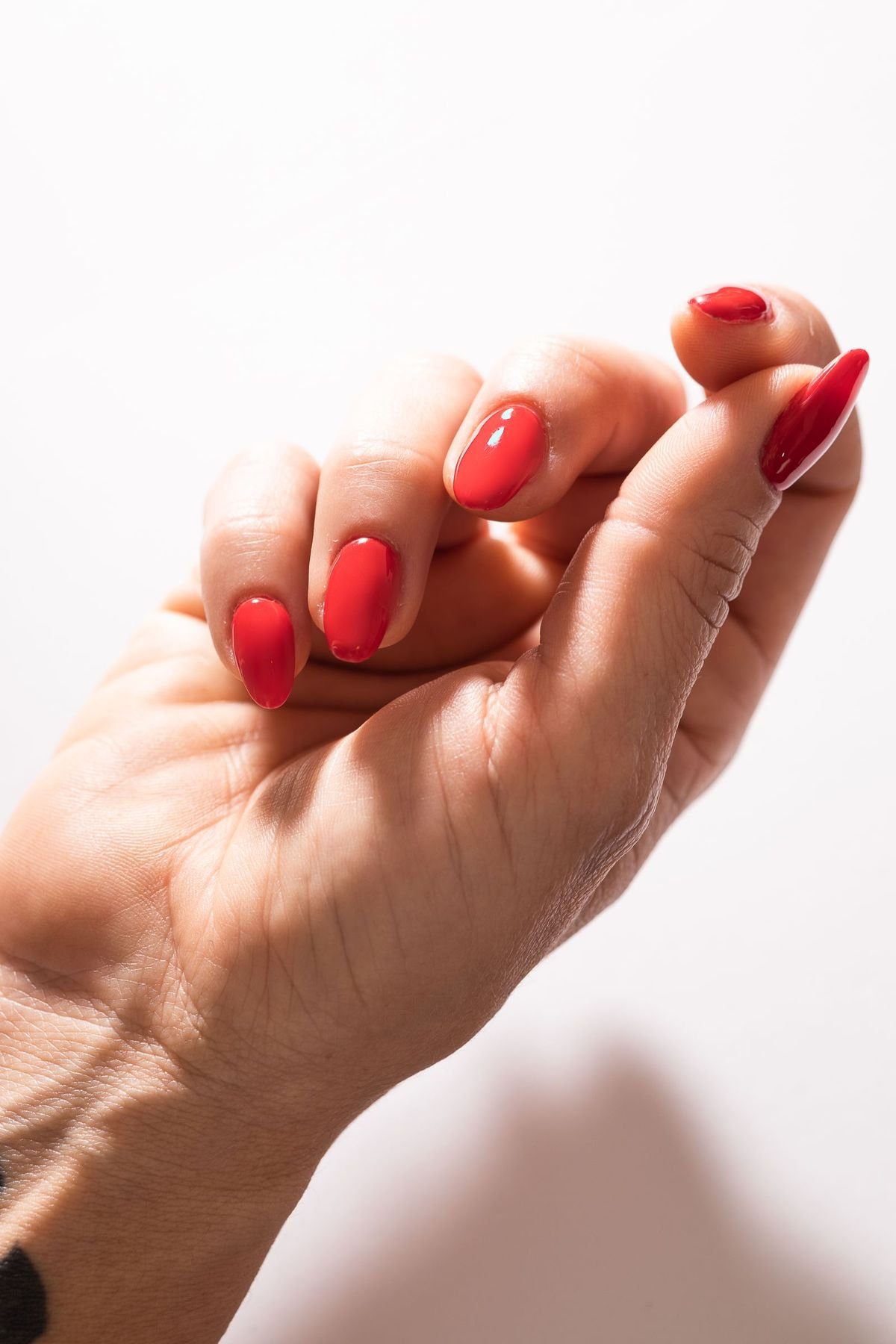
9. Deep Red BIAB
A classic deep red over BIAB is glamorous and endlessly wearable. Shades like oxblood and cherry red suit autumn and winter, and the glossy finish makes the colour look expensive.
10. Chocolate Brown BIAB
Chocolate brown is one of 2026’s biggest nail colours and looks especially rich over a BIAB base. Try glossy for a polished look or a matte top coat for something more modern.
11. Sage Green BIAB
Soft sage green is calm, contemporary and surprisingly versatile. It pairs well with denim, cream knitwear and gold jewellery, making it a great everyday colour.
12. Navy BIAB
Navy is the sophisticated alternative to black: deep, glossy and flattering on all skin tones. A smart choice for evening events and the colder months.
13. Burgundy BIAB
Burgundy is a salon staple — rich, elegant and flattering on short and long nails alike. For more wine-toned inspiration, see our velvet nails ideas for a similar plush, dimensional finish.
Glamour and Occasion BIAB Ideas
For parties, weddings and festive occasions, BIAB’s smooth surface is the perfect base for shimmer, chrome and embellishment.
14. Chrome Glaze BIAB
Chrome powder over a nude or pink BIAB base creates the glazed-doughnut effect that dominated recent nail trends. It catches the light beautifully and instantly elevates a simple manicure. See our chrome nails ideas for more ways to wear the look.
15. Gold Foil Accent BIAB
Delicate flakes of gold foil on one or two accent nails add luxury without overwhelming a natural base. Keep the rest of the nails nude for balance.
16. Pearl Shimmer BIAB
A pearlescent top coat or sheer pearl powder gives BIAB a soft, iridescent glow, perfect for weddings and formal events. Our pearl nails ideas show how versatile this finish can be.
17. Glitter Accent BIAB
A single glitter accent nail — or glitter just on the tips — adds sparkle while keeping the look grown-up. Rose gold and champagne glitters work best over nude BIAB.
Seasonal and Fun BIAB Ideas
BIAB is a year-round treatment, so your design can change with the seasons while the strengthening base stays the same.
18. Autumn Tortoiseshell BIAB
Tortoiseshell tips or accent nails in amber, brown and caramel are a classic autumn choice. The warm, mottled pattern pairs perfectly with knitwear and trench coats.
19. Winter Sparkle BIAB
For the festive season, add fine silver or gold sparkle over a nude or deep red BIAB base. Keep it to the tips or a single accent nail for an elegant finish. If you love festive designs, our snowflake nail designs are full of winter inspiration.
20. Spring Pastel BIAB
Soft lilac, butter yellow and baby blue over a BIAB base feel fresh and light for spring. Pastels look best on short to medium nails with a rounded shape.
21. Summer Coral BIAB
A bright coral or warm peach is the perfect summer shade over BIAB. It flatters tanned skin and looks great with sandals, linen and holiday outfits.
22. Minimal Dot Detail BIAB
Tiny dots — a single dot at the cuticle, or a delicate line along one nail — are the easiest nail art to wear, adding personality to a nude BIAB base without any fuss.
23. Negative Space BIAB
Leaving part of the nail bare, with a stripe, half-moon or geometric shape in colour, creates a modern, graphic look. Because BIAB strengthens the whole nail, the bare sections still look healthy and glossy.
24. Short and Square BIAB
Short, neatly filed square nails with a nude or sheer pink BIAB finish are practical, chic and very 2026. The best shape if you type all day or prefer low-maintenance nails.
25. Almond BIAB
An almond shape elongates the fingers and gives BIAB a more glamorous feel, especially in deeper colours or with a French tip. It suits medium-length nails best.
How Much Does BIAB Cost in the UK?
A BIAB manicure in the UK typically costs £30–£50, depending on your location and whether gel colour or nail art is included. London salons tend to charge at the higher end (£40–£55), while salons elsewhere usually charge £30–£45. Adding gel colour, French tips or detailed nail art adds £5–£15.
Infills, where the grown-out area is filled and the nails are rebalanced, usually cost £30–£45 and are needed every 3–4 weeks. Full removal costs around £10–£20, and many salons remove BIAB free if you are having a new set applied. An at-home BIAB kit costs roughly £30–£60 to start, plus a lamp if you do not already own one. Beauty editors at ELLE regularly cover builder gel trends and new BIAB shades.
BIAB Maintenance and Removal
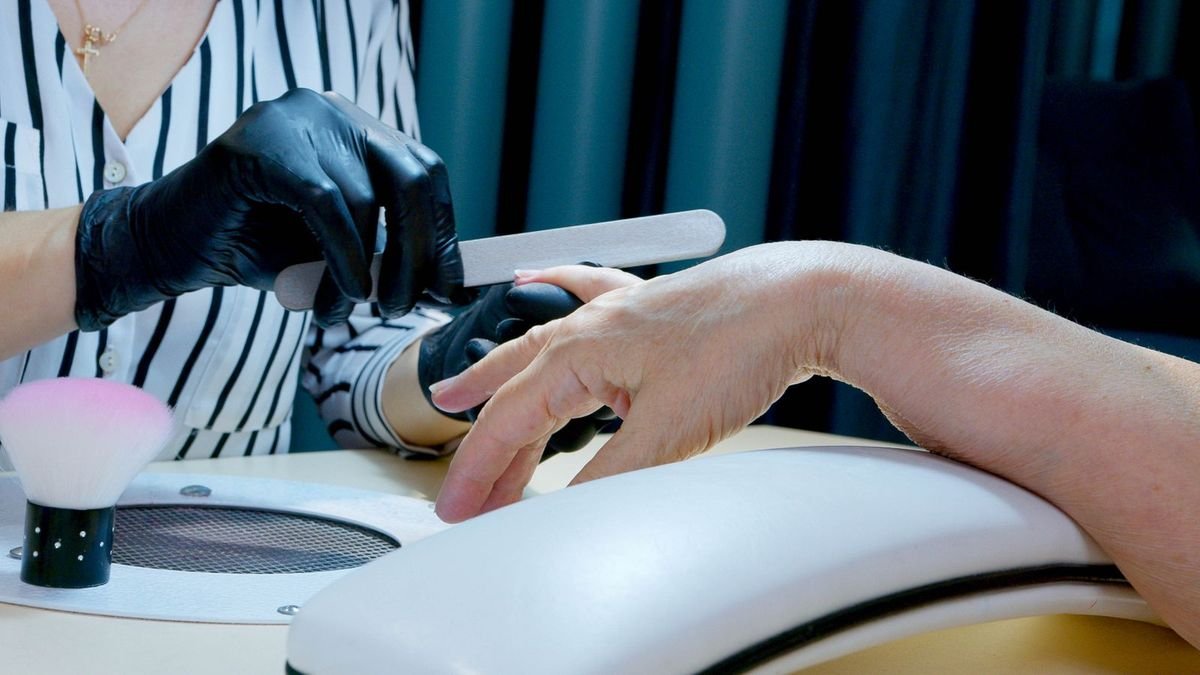
BIAB needs surprisingly little day-to-day care. Apply cuticle oil daily, wear gloves for cleaning and washing up, and avoid using your nails as tools. Book infills every 3–4 weeks: leaving BIAB on for much longer increases the risk of lifting, and lifted gel can trap moisture against the nail. Between appointments, file only the free edge if a nail snags — do not file the surface of the builder gel, as this weakens the structure.
BIAB must be soaked off, never peeled or forced off. Your technician will file down the top coat, wrap the nails in acetone-soaked cotton and foil for 10–15 minutes, then gently push the softened gel away. The natural nail underneath should look healthy, if a little dry. Peeling BIAB off takes layers of your natural nail with it, which is the main cause of the damage people blame on builder gel.
BIAB Mistakes to Avoid
- Peeling or picking BIAB off. This strips the top layers of the natural nail and leaves it thin and weak for weeks.
- Skipping infills for too long. After 4–5 weeks, the apex has grown out, the nail is unbalanced, and breakage becomes much more likely.
- Applying gel onto the skin. Builder gel cured on the cuticle or surrounding skin can cause irritation and, over time, allergic reactions. Keep application on the nail plate only.
- Filing the natural nail too aggressively. Over-filing before application thins the nail and makes lifting more likely, so prep should be gentle.
- Expecting instant length. BIAB strengthens what you have; it does not extend the nail. Give it two or three infill cycles to see real growth.
- Ignoring lifting. If an edge lifts, moisture can get underneath. Book a repair promptly rather than waiting for your next infill.
- Using cheap, unregulated products. Stick to reputable professional brands designed for nail use, not craft gels.
For more on how leading beauty editors cover builder gel and nail trends, Vogue is another reliable source for what is new in nails.
Frequently Asked Questions
What does BIAB stand for?
BIAB stands for builder in a bottle. It is a thick, soak-off builder gel sold in a polish-style bottle, applied over the natural nail to add strength and help nails grow.
How long does BIAB last?
BIAB typically lasts 3–4 weeks before an infill is needed. With good application and daily cuticle oil, many people get a full four weeks with minimal chipping.
How much does BIAB cost in the UK?
A BIAB manicure costs around £30–£50 in a UK salon, with infills costing roughly £30–£45 every 3–4 weeks. London prices tend to be higher, and nail art or French tips add £5–£15.
Is BIAB better than gel polish?
For weak or slow-growing nails, yes. BIAB is thicker and stronger than regular gel polish, so it protects the natural nail and helps it grow. For already strong nails that just need colour, regular gel polish is cheaper and perfectly fine.
Can BIAB damage your nails?
BIAB itself does not damage healthy nails when applied and removed correctly. Most damage comes from peeling it off, over-filing during prep, or leaving it on too long between infills.
Can you do BIAB at home?
Yes, at-home BIAB kits are available, but you need a UV/LED lamp and some gel experience. Beginners should start with a salon appointment, and always follow the product instructions to avoid skin contact.
How do you remove BIAB safely?
Soak it off: file the top coat, wrap nails in acetone-soaked cotton and foil for 10–15 minutes, then gently push the softened gel away. Never peel or force it off.
About Business Outstanders
The Business Outstanders editorial team covers women’s fashion, beauty and nail trends for readers in the UK, US and Canada, researching current salon techniques, seasonal styles and real product options so every guide is practical and up to date.