CanadianSupermodels:TheStyleofLindaEvangelista,CocoRochaandWinnieHarlow
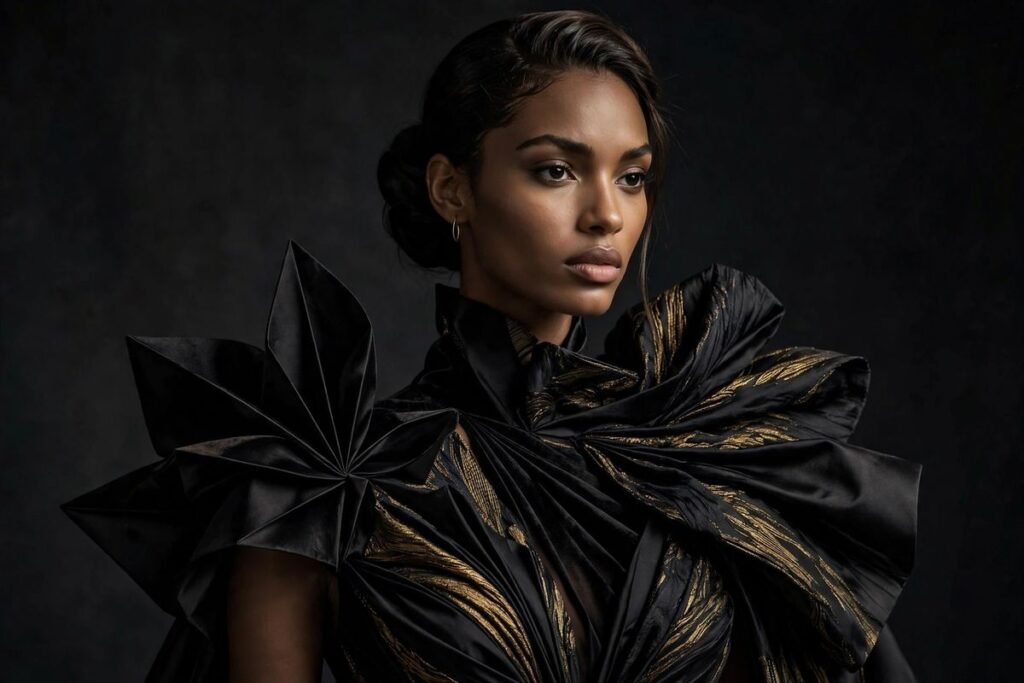
Table of Contents
Canadian supermodels have shaped fashion for more than three decades, and their styles could hardly be more different. Linda Evangelista brought chameleon-like transformation to the 1990s runway, Coco Rocha brought theatrical movement and a new kind of digital career, and Winnie Harlow brought bold red-carpet confidence and a powerful message about visibility. Together, they show that there is no single way to look like a supermodel — only a strong point of view, worn with conviction.
The image used with this article is a generic model in a high-fashion editorial look, not a photograph of any of the women discussed. Use the ideas below as inspiration, then adapt the silhouettes, colours and prices to your own wardrobe.
Why Canadian Supermodels Matter
Canada has produced models who did more than wear clothes well. They changed how the industry worked: Evangelista helped define the original supermodel era, when a model’s name alone could sell a magazine cover; Rocha was among the first models to build a large online following and to treat social media as a professional tool; Harlow has used high-profile campaigns and red carpets to broaden ideas of beauty in mainstream fashion.
For readers, that history is useful because each woman offers a different, copyable lesson. Evangelista teaches transformation through hair, makeup and tailoring. Rocha teaches presence — how posture, movement and posing change a photograph. Harlow teaches colour and confidence, and how to let one bold choice carry an outfit.
Linda Evangelista: The Chameleon
Linda Evangelista, born in St Catharines, Ontario, became famous in the late 1980s and 1990s for her ability to transform completely from one shoot to the next. Short hair one season, long the next; minimal makeup, then dramatic colour — her look was never fixed, and that versatility made her a favourite of photographers and designers alike.
Her off-runway style, as seen in well-known photographs of the era, often leaned on sharp tailoring, simple black pieces and strong accessories. To borrow the formula today, start with a well-cut blazer or coat, a plain top and straight trousers or a pencil skirt, then change one element dramatically: a new hairstyle, a bold lip or a statement earring. The lesson is that a small, confident change can refresh a whole wardrobe without buying everything new.
Try it with a monochrome base — black trousers, a black knit and a camel coat — and vary your hair and makeup instead of your clothes. A sleek bob, a soft wave or a scraped-back bun each gives the same outfit a different mood, just as Evangelista’s transformations did.
Coco Rocha: Movement and Modern Modelling
Coco Rocha, born in Toronto and raised in Richmond, British Columbia, is known for her expressive, dance-influenced posing. Her background in Irish dance gave her runway walks and photographs an unusual energy: strong lines, clear shapes and a sense of motion that made still images feel alive. She later became known for embracing technology and online platforms early in her career, building a direct relationship with audiences beyond the catwalk.
What can readers borrow? First, posture. Stand tall, relax your shoulders down and back, and let your arms hang naturally rather than stiffly at your sides. Second, movement in photographs: a slight turn of the shoulders, a step forward or a hand on the waist creates a more interesting shape than standing square to the camera. Third, a willingness to try new formats — whether that is a new silhouette, a brighter colour or a different way of styling a familiar piece.
For everyday style, Rocha’s lesson translates into clothes that move well: a swishy midi skirt, wide-leg trousers, a coat with a good swing or a dress that holds its shape when you walk. Choose fabrics with some structure and movement, and test an outfit by walking in it, not just standing in front of a mirror.
Winnie Harlow: Bold Colour and Red-Carpet Confidence
Winnie Harlow, born in Mississauga, Ontario, rose to prominence after appearing on a modelling competition television series and has since become known for striking red-carpet looks and major fashion campaigns. Living with vitiligo, she has spoken publicly about representation in fashion, and her career has helped broaden the range of faces seen in high-profile modelling.
Her style lesson is confidence through colour and silhouette. She often wears vivid shades, sculpted gowns and strong, clean shapes that photograph beautifully. To borrow the idea without a red-carpet budget, pick one bold element per outfit: a bright dress, a coloured coat or a pair of statement shoes, and keep the rest simple. A single vivid piece looks deliberate; several competing brights can look chaotic.
For a special occasion, try a well-fitting dress in a colour that suits your skin tone, minimal jewellery and a confident shoe you can actually walk in. Let the colour do the talking, and keep hair and makeup polished but simple so the outfit remains the focus.
Three Lessons to Borrow Today
From Evangelista, borrow transformation: change your hair, makeup or one accessory to give a familiar outfit a new character. From Rocha, borrow movement: choose clothes that look good in motion and practise posture that makes you feel taller and calmer. From Harlow, borrow boldness: wear one strong colour or silhouette with confidence, and resist the urge to add more.
These lessons also work together. A sharp blazer and straight trousers (Evangelista) in a vivid colour (Harlow), worn with relaxed, confident posture (Rocha), is a complete outfit formula for work, dinners and events. For more ideas on polished evening dressing, our Naomi Campbell style guide shows how strong tailoring and gowns work for special occasions.
Shopping the Looks in Canada, the UK and the US
You do not need designer pieces to try these styles. For Evangelista-inspired tailoring, look for a structured blazer and straight trousers in the same neutral family. For Rocha-inspired movement, try a midi skirt or wide-leg trousers in a fabric that swings. For Harlow-inspired colour, invest in one dress or coat in a shade you love and wear it often.
For seasonal fashion context, browse British Vogue fashion coverage and note the proportions and colours that recur across editorials, rather than focusing on labels. And for relaxed, everyday versions of model style, our Gigi Hadid street style guide offers practical off-duty formulas.
Frequently Asked Questions
Who are the most famous Canadian supermodels?
Linda Evangelista, Coco Rocha and Winnie Harlow are among the best known, each famous for a different era and a different kind of modelling career.
What is Linda Evangelista known for?
Her chameleon-like ability to transform her hair, makeup and look from shoot to shoot during the 1990s supermodel era.
What makes Coco Rocha’s modelling distinctive?
Her theatrical, dance-influenced posing and movement, plus an early embrace of social media and technology in modelling.
What is Winnie Harlow known for?
Bold red-carpet style, major fashion campaigns, and helping broaden representation in mainstream fashion as a model with vitiligo.
How can I copy Canadian supermodel style on a budget?
Focus on one lesson at a time: sharp tailoring, clothes that move well, or one bold colour, using high-street pieces that fit beautifully.
Final Thoughts
Canadian supermodels prove that great style is not about copying one person. It is about finding the lesson that suits you — transformation, movement or bold colour — and wearing it with confidence. Borrow one idea from Evangelista, Rocha and Harlow, make it your own, and you will have a wardrobe that feels both inspired and entirely personal.