LongBouncyLayers:TheBlowoutHairstyle
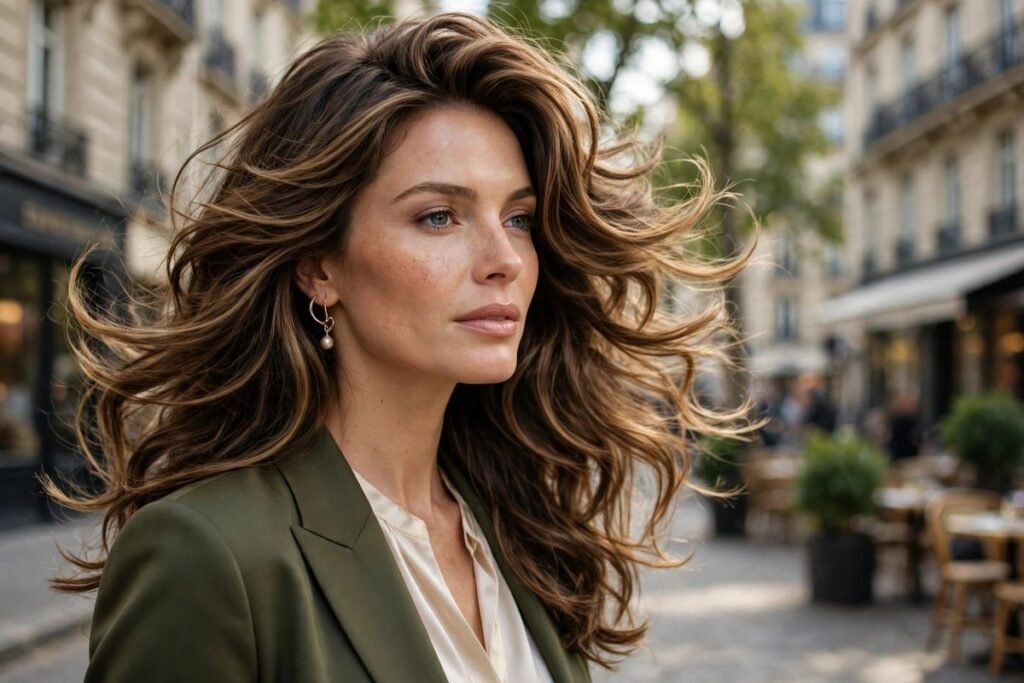
Table of Contents
Few hairstyles are as universally flattering as long, bouncy layers. They keep the length you have worked hard to grow, while adding the movement, volume and softness that one-length hair often lacks. Blow-dried with flicked ends and face-framing pieces, they create that polished, salon-fresh blowout look that never seems to go out of fashion.
In this guide, we explain what a long layers hairstyle really is, the variations worth asking for, who it suits best, and how to blow-dry it at home so it stays bouncy for days rather than falling flat by lunchtime.
What Is a Long Layers Hairstyle?
A long layers hairstyle is a cut in which the hair is layered at different lengths while the overall length stays long, usually past the shoulders. The shortest layers typically start around the cheekbones or chin, then cascade downwards, so the hair moves in sections rather than hanging as one heavy sheet.
Unlike a blunt cut, which can look thick at the ends and flat at the roots, long layers remove weight where it is not needed and create shape throughout. The result is hair that swings when you walk, holds a curl or wave more easily, and looks fuller at the crown without losing length.
Why Bouncy Layers Are So Popular
The blowout effect is the main reason long layers keep trending. When layered hair is blow-dried with a round brush, each layer flips and curves slightly differently, creating natural-looking volume and bounce. It is the same principle behind the classic salon blow-dry, and it works on straight, wavy and gently curled hair alike.
Long layers are also practical. They grow out gracefully, because the layers simply get longer together, and they suit both everyday wear and special occasions: wear them smooth for work, tousled for the weekend, or curled for an evening out, all without changing the cut.
Long Layers Variations to Try
Classic long layers
The classic version has evenly blended layers from the mid-lengths downwards, with soft face-framing pieces at the front. It is the safest choice if you are trying layers for the first time, and it suits almost every hair type.
Butterfly layers
Butterfly layers feature short, face-framing layers on top that cascade into longer layers below, mimicking butterfly wings. They give maximum movement around the face while keeping the back long, and they are especially flattering blown out with a flick.
Face-framing and curtain layers
These layers concentrate around the front, starting at the cheekbones and blending into the rest of the hair. Paired with curtain bangs, they open up the face beautifully — see our guide on how to style curtain bangs for the full effect.
V-cut and U-cut layers
In a V-cut, the back is shaped into a subtle point, while a U-cut gives a softer, rounded outline. Both keep the length while adding shape from behind, and they look particularly good worn straight or in a low ponytail.
Ghost layers
Ghost layers are cut internally, so they remove bulk and add movement without any obvious steps on the surface. They are ideal for thick hair that needs lightness, or for anyone who wants the benefits of layers with a smoother finish.
Who Does a Long Layers Hairstyle Suit?
Hair types
Fine hair gains volume and lift from long layers, because the shorter pieces stop the hair from hanging flat. Thick hair benefits in the opposite way: layers remove bulk and stop the shape from becoming triangular. Wavy and curly hair looks more defined with layers, as long as they are cut dry or with the natural curl pattern in mind, so the shape does not spring up unevenly.
Face shapes
Long layers suit most face shapes because the face-framing pieces can be adjusted. Longer layers that start below the chin flatter round faces, while shorter, cheekbone-length pieces soften square jawlines. Oval faces can wear almost any layer placement, and heart-shaped faces look balanced with layers that add width around the jaw.
Layers can also make long hair look younger and fresher, because movement around the face draws attention upwards and stops very long hair from dragging the features down. If you are comparing lengths, our guide to bob hairstyles shows how shorter cuts achieve a similar lift in a different way.
What to Ask Your Stylist For
Bring photos that show both the front and the back of the cut, and be specific about where you want the shortest layer to start. Ask for blended, not choppy, layers if you want a smooth blowout, and mention whether you usually wear your hair straight, wavy or curly, because layers behave differently on each texture.
Agree on how much length you are willing to lose: a good long-layers cut should only take off split ends and shape, not several inches. Ask how the layers will grow out, and how often you will need a trim to keep them looking intentional.
How to Blow-Dry Long Bouncy Layers
- Start with towel-dried hair, apply a volumising mousse at the roots and a heat protectant through the mid-lengths and ends.
- Rough-dry until the hair is about 80 percent dry, lifting the roots with your fingers for volume.
- Section the hair and blow-dry each section with a large round brush, rolling the brush under at the ends to create the signature flick.
- Direct the face-framing layers away from the face, then curl the very front pieces back for a soft, open finish.
- Set each section with a cool shot from the dryer, which locks in the bounce and adds shine.
- Finish with a light-hold spray and a drop of serum on the ends only, so the layers stay soft rather than stiff.
For extra bounce on day two, re-roll the front sections with heated rollers or a large-barrel tong, then brush through gently. For current blowout inspiration, browse the hair coverage on Vogue fashion and ELLE fashion before your appointment.
How to Maintain Long Layers
Most long-layered cuts need a trim every eight to twelve weeks to keep the ends healthy and the shape defined. Between appointments, use a moisturising shampoo and conditioner, avoid over-washing, which strips volume, and treat the ends to a weekly mask if you heat-style often.
Sleeping with hair loosely plaited or in a silk scrunchie helps preserve the blowout, and dry shampoo at the roots on day two or three will revive volume without a full wash.
Common Mistakes to Avoid
The most common mistake is cutting the shortest layer too short, which can leave a disconnected, shelf-like step around the face. Another is over-layering fine hair, which thins the ends rather than adding volume. Finally, avoid heavy oils and butters at the roots: they flatten the very bounce that layers are meant to create.
Practical Tips
- Use a large round brush for blow-drying; small brushes create curls rather than bounce.
- Always finish with the cool shot, as it sets the shape and adds shine.
- Change your parting occasionally to keep the roots from lying flat.
- Trim little and often, rather than waiting until the layers lose their shape entirely.
- Ask for invisible or ghost layers if your hair is thick but you want a sleek finish.
Frequently Asked Questions
Which layer cut is best for long hair?
Classic long layers are the safest all-round choice, while butterfly layers suit those who want maximum face-framing movement and ghost layers suit thick hair that needs lightness without visible steps.
What are butterfly layers?
Butterfly layers combine short, face-framing layers on top with longer layers below, so the hair opens out around the face like butterfly wings while the overall length stays long.
Does layered hair make you look older or younger?
Well-blended layers usually make you look younger, because movement and volume around the face lift the features, whereas very long, one-length hair can drag them down.
How often should long layers be trimmed?
Every eight to twelve weeks is usually enough to keep the shape and remove split ends, unless you heat-style daily, in which case ten weeks is a safer interval.
Can long layers work for fine hair?
Yes. Carefully placed layers add lift and the appearance of thickness, provided the ends are not over-layered, which can make fine hair look thinner.
Long, bouncy layers are popular for a simple reason: they give you the best of both worlds, the length you love and the movement that makes hair look healthy, styled and full of life. With the right layer placement and a confident blow-dry routine, the salon blowout becomes an everyday hairstyle.