WeddingHairstylesforBrides:ElegantUpdos,WavesandHalf-UpLooksforEveryDress
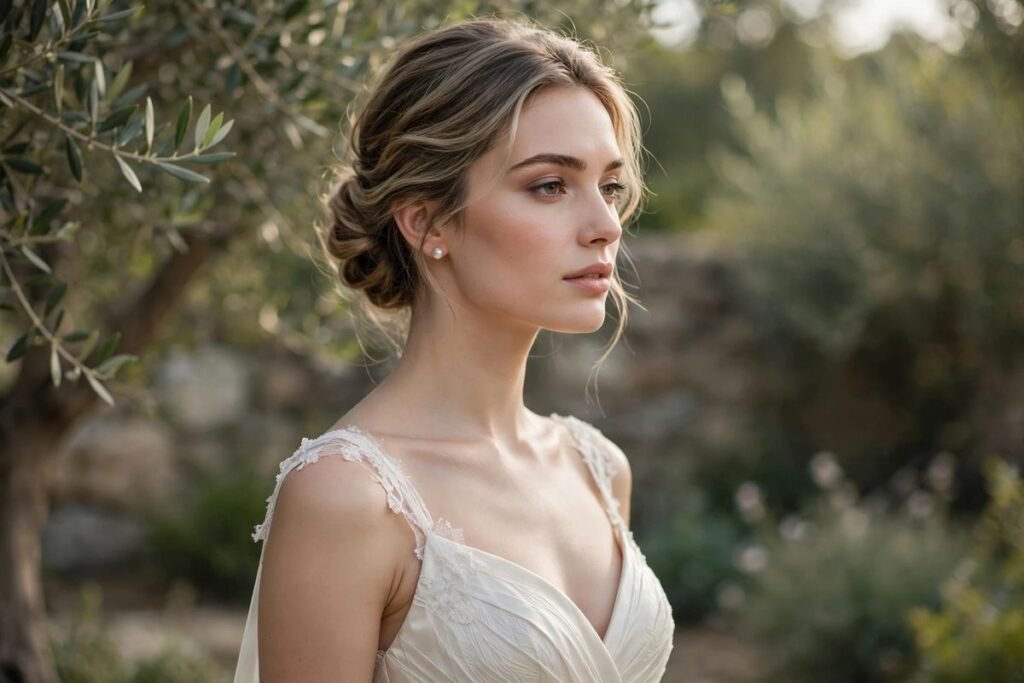
Table of Contents
Wedding hairstyles are about far more than a pretty photograph. Your hair frames your face, balances your dress, holds a veil or headpiece, and must last through happy tears, hugs, dancing and hours of celebration. The best bridal hairstyle feels like you on your most polished day, not a disguise. This guide brings together the most flattering wedding hairstyles for brides, how to match them to your dress neckline and hair type, and the practical trial tips that prevent last-minute stress.
Start with three decisions: your dress, your veil or accessories, and how you normally wear your hair. A bride who never wears her hair up may feel uncomfortable in a severe bun, however elegant it looks. Likewise, a very detailed dress back deserves a style that shows it off. Bring photographs of your dress, veil and jewellery to your trial, and wear a top with a similar neckline so you can judge the whole look together.
How to Choose Wedding Hairstyles That Suit You
Your dress neckline is the most useful guide. A strapless or sweetheart neckline pairs beautifully with almost anything, from a low chignon to soft waves, because the shoulders and collarbones are already on show. A high neckline or illusion bodice often looks best with hair swept up or to one side, so the dress detail is not hidden. A deep V-neckline is flattered by face-framing layers and a little volume at the crown, while an off-the-shoulder dress works well with a romantic low bun or loose curls that do not compete with the neckline.
Consider your face shape lightly, without treating it as a strict rule. Soft layers and gentle face-framing pieces suit most brides and prevent an updo from looking severe. A little height at the crown can elongate a round face, while side-swept styles soften a strong jawline. The most important test is simple: when you look in the mirror, do you see yourself first, or only the hairstyle?
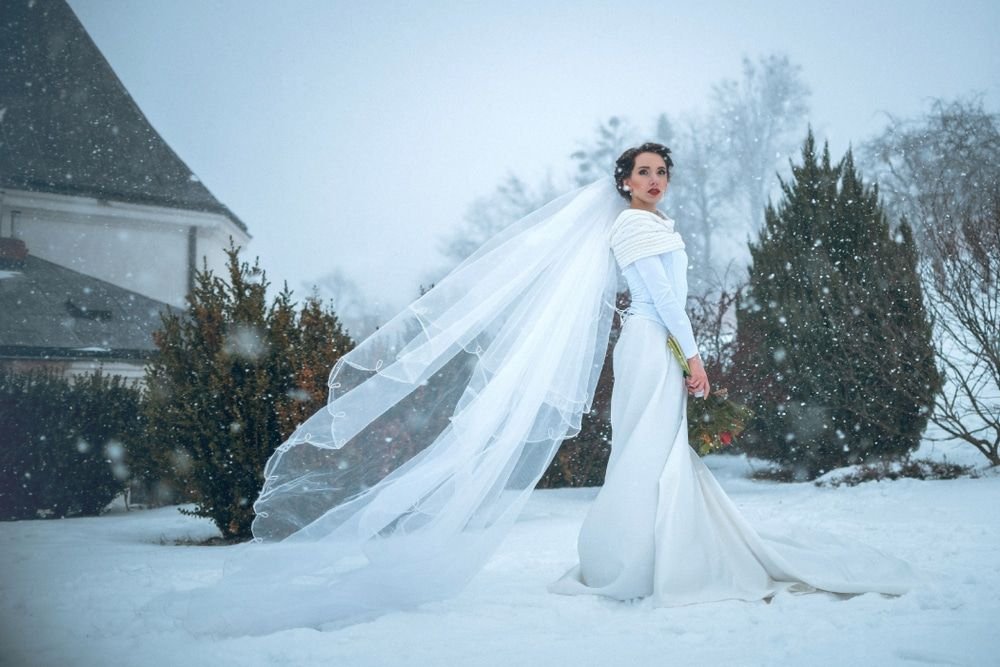
Weather and venue matter too. For a summer or beach wedding, choose a style with staying power: a textured updo, braided detail or half-up look will survive humidity better than perfectly straight hair. For a winter wedding, a polished chignon or glamorous waves pair beautifully with heavier fabrics and long sleeves. If you are getting married outdoors, ask your stylist about wind-resistant pins, anti-humidity products and a second-day refresh plan.
Classic Wedding Updos
The low chignon remains the most timeless bridal updo. It sits at the nape, works with a veil placed above or below it, and suits formal, romantic and minimalist weddings alike. A sleek chignon looks modern and editorial, while a textured, slightly loosened version feels softer and more romantic. Add a pearl comb, delicate pins or a small floral detail rather than overloading the style.
A high bun is a confident choice for brides who want height, drama and a clear view of earrings and a statement neckline. It works particularly well for tall brides and for dresses with an open back. A French twist offers similar polish with a vintage feel, and it photographs beautifully from every angle. For a softer take, a messy bun with loose tendrils is ideal for bohemian, garden and rustic weddings, but ask your stylist to secure it firmly so the softness looks intentional, not unfinished.
Half-Up Wedding Hairstyles
Half-up wedding hairstyles are the perfect compromise: they keep hair away from your face while showing off length and movement. A twisted or braided crown with soft curls is romantic and works beautifully with a veil. A half-up style with volume at the crown suits brides who want height without a full updo, and it is an excellent choice for dresses with detailed backs, because the hair falls away from the shoulders.
Half-up styles also suit many hair textures. For fine hair, a stylist can add discreet padding or extensions for volume. For thick hair, soft layers and a little texturising spray prevent the style from looking heavy. If you are choosing between up and down, a half-up trial is often the most revealing: it shows how much face-framing you like and how your hair behaves after several hours.
Down Wedding Hairstyles: Waves, Curls and Sleek Styles
Old Hollywood waves are the ultimate glamorous down style. They suit long and medium hair, pair beautifully with a vintage-inspired dress, and look stunning in photographs. The key is a strong setting technique and a flexible-hold spray, so the waves keep their shape without looking stiff. For a more relaxed celebration, soft beach waves with a centre or side parting feel modern and effortless, especially for destination and outdoor weddings.
A sleek, straight style can be strikingly elegant, particularly with a minimalist dress and statement earrings. It requires healthy, well-prepared hair and a good smoothing product, and it works best for brides who already love straight hair. A side-swept style, with curls swept over one shoulder, is another flattering down option, especially for one-shoulder dresses or asymmetrical necklines.
Wedding Hairstyles by Hair Length and Texture
Short hair
Short wedding hairstyles can be just as bridal as long ones. A polished pixie with a sparkling clip, a sleek bob with a deep side parting, or soft finger waves all look intentional and elegant. Accessories do much of the work: a birdcage veil, a pearl headband or a delicate comb can transform a familiar cut into a wedding look. Our guide to bob hairstyles offers further inspiration for shorter lengths.
Medium and long hair
Medium and long hair offer the widest choice, from chignons and braids to cascading curls. If your hair is very long, consider the weight: a heavy style can loosen over time, so ask your stylist about hidden support, strong pins and a trial that lasts several hours. Layers can help a long style move beautifully, but very short layers may escape from an updo, so discuss this at your trial.
Curly, coily and textured hair
Natural texture is a beautiful bridal feature, not a problem to solve. A defined twist-out, a high puff with a decorative headpiece, a braided crown or a voluminous updo can all look spectacular. Book a stylist experienced with your hair type, bring your usual products, and avoid a drastic chemical or heat change close to the wedding. A trial is especially important for textured hair, so you can test definition, volume and longevity together.
Veils, Headpieces and Accessories
Your veil placement changes everything. A cathedral veil usually sits higher on the head and suits an updo or half-up style, while a fingertip or birdcage veil can work with almost any style. Bring your veil to the trial and practise removing it for the reception if you plan to do so. Your hairstyle should still look complete without it.
Choose one statement accessory rather than several competing ones. A tiara suits a polished updo, a floral crown suits a relaxed outdoor wedding, and pearl pins suit almost every bridal style. If your dress is heavily embellished, keep hair accessories simple. If your dress is minimalist, you have more freedom to add sparkle. For more wedding planning inspiration, explore Vogue Weddings and our guide to how to choose a wedding dress.
Your Bridal Hair Trial: A Practical Checklist
- Book your trial four to six weeks before the wedding, once your dress and veil are finalised.
- Bring photographs, your veil, headpiece, earrings and a top with a similar neckline to your dress.
- Arrive with clean, dry hair unless your stylist advises otherwise, and tell them how your hair normally behaves.
- Photograph the style from the front, side and back, in daylight and indoors, and wear it for several hours.
- Ask what products, pins and touch-up tools you will need, and practise removing the veil without disturbing the style.
- On the day, allow extra time, keep a small kit of pins and spray nearby, and ask a bridesmaid to check the back before photographs.
A good trial should leave you feeling calm, not more uncertain. If a style does not feel like you, say so early. A skilled stylist would rather adjust the look than send you down the aisle feeling uncomfortable. The best wedding hairstyles are the ones you forget about, because they stay in place and let you enjoy every moment.
Frequently Asked Questions
Should a bride wear her hair up or down?
Choose up for a formal look, a detailed dress back or hot weather, and down for a romantic, relaxed look. Half-up styles offer the best of both.
What is the most popular wedding hairstyle?
The low chignon, soft waves and half-up styles are consistently popular because they suit many dress styles, hair types and venues.
When should I have my bridal hair trial?
Four to six weeks before the wedding, once your dress, veil and accessories are finalised.
Can I wear a veil with short hair?
Yes. A birdcage veil, a headband veil or a comb veil can be secured to short hair with pins and a little styling product.
How do I make my wedding hairstyle last all day?
Choose a style suited to your hair type and weather, use a strong setting technique, secure it with quality pins, and carry a small touch-up kit.
Final Thoughts
The most beautiful wedding hairstyles for brides are not the most complicated. They are the ones that complement your dress, suit your hair, survive the day and make you feel confident. Use your trial to test, photograph and refine, then trust your choice. On the day, your hair should be the last thing on your mind and the first thing people notice in the photographs, for all the right reasons.