HowtoWearaScarfThisWinter:14WarmandStylishIdeas
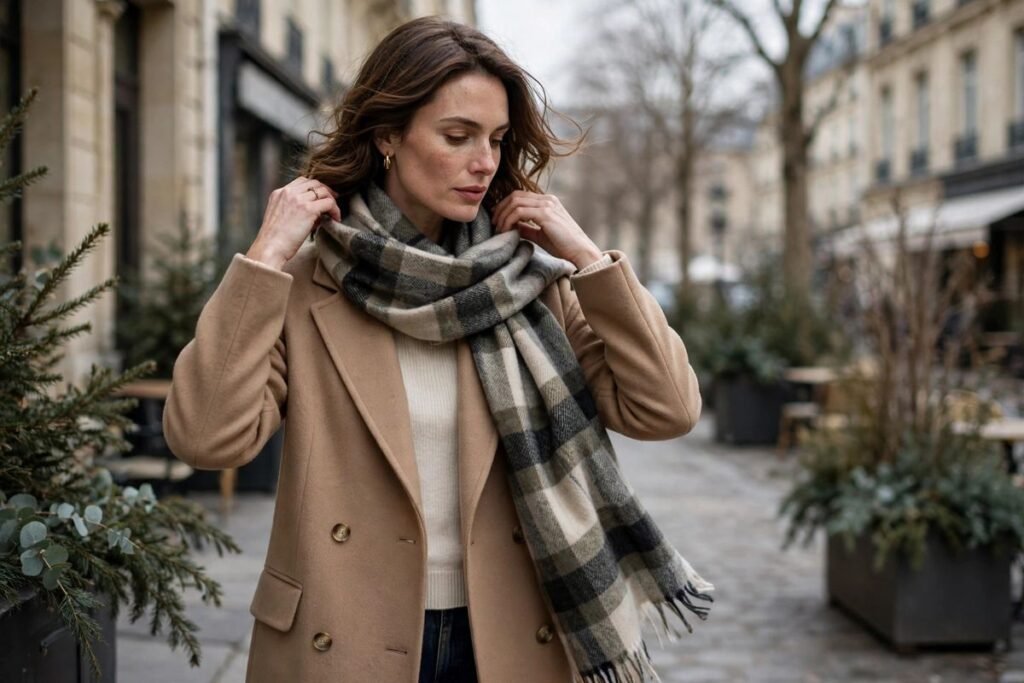
Table of Contents
Learning how to wear a scarf this winter is about more than staying warm. A well-chosen scarf can turn a plain coat and jeans into a finished outfit, add colour to a dark wardrobe, and make the coldest days feel far more comfortable. The trick is to match the weight, length and fabric to your coat, and to choose a tying method that stays in place without feeling bulky around the neck.
This guide covers the easiest winter scarf styles, from the classic loop to the blanket wrap, plus how to pair scarves with different coats, which colours work hardest, and the mistakes that make an outfit look untidy. Whether you love chunky knits or prefer a slim wool scarf, you will find a method that suits your wardrobe and your daily routine.
Choose the Right Scarf for Winter
Before you learn how to wear a scarf, check that the scarf itself is right for winter. A good winter scarf should be long enough to wrap at least twice around the neck, wide enough to cover your chest when needed, and warm enough to block wind at the collar. Very short or thin scarves look pretty indoors, but they rarely keep you warm on a frosty walk.
Wool, Cashmere or Fleece? Pick Your Fabric
Wool is the most practical winter choice because it is warm, breathable and holds its shape well. Cashmere feels softer and lighter, which makes it ideal for work outfits and smarter coats, although it needs gentler care. Fleece and brushed acrylic scarves are excellent for very cold days, dog walks and commuting, because they are warm, easy to wash and less likely to feel scratchy against the skin.
As a starting point, own one neutral chunky knit in camel, grey or black, and one brighter or patterned scarf that lifts plain coats. That pair alone will cover most winter outfits. If you wear a lot of black, a cream, burgundy or checked scarf will stop your outfits from looking flat, while a grey scarf softens navy, brown and olive coats beautifully.
Seven Easy Ways to Wear a Scarf This Winter
1. The Classic Loop
Fold a long scarf in half, drape it around your neck, and pull the loose ends through the loop. This is the fastest way to wear a scarf, and it stays neat under a coat because the bulk sits at the front rather than around the back of the neck. It works best with medium-weight wool scarves and is a reliable choice for commuting and school runs.
2. The Simple Drape
For milder winter days, simply drape the scarf evenly around your neck and let both ends hang down the front. Wear it inside an open coat so the scarf becomes part of the outfit, rather than just a layer of warmth. This method suits silk-wool blends, lighter knits and patterned scarves you want to show off.
3. The Parisian Knot
Wrap the scarf once around your neck, then tie the two ends in a loose knot at the front or slightly to one side. The Parisian knot looks polished with a tailored coat and is especially flattering with a shirt collar or a crew-neck jumper underneath. Keep the knot soft rather than tight, so the scarf still moves naturally when you walk.
4. The Blanket Wrap
On the coldest days, a large blanket scarf can double as an extra layer. Drape it over your shoulders like a shawl, cross the ends at the front, and tuck them under a belted coat or wrap them once around the neck. This style is wonderfully warm, looks relaxed rather than fussy, and works well with jeans, boots and a simple knit, as Vogue’s guide to wearing a scarf all year round also shows.
5. The Tucked-In Wrap
Wrap a long scarf twice around your neck, then tuck the ends neatly into the wrap or under your coat collar. This keeps out draughts, stops the scarf from blowing in the wind, and creates a clean line that suits puffer jackets and high-neck coats. It is the best option for cycling, walking in strong wind, or waiting at a cold bus stop.
6. The Belted Scarf
For a more fashion-forward look, drape a wide scarf over your shoulders and belt it at the waist over a coat. This turns the scarf into a cape-like layer and gives shape to oversized outerwear. Choose a scarf with enough width and structure to sit smoothly, and keep the rest of the outfit simple so the scarf remains the focus.
7. The Hooded Wrap
When rain or snow is forecast, wrap a large scarf once around your neck, then pull the back section up over your head like a hood. Tuck the sides behind your ears and secure the ends under your coat. It is not a replacement for a proper hat in heavy rain, but it is a stylish emergency option that also protects your hair and ears from wind.
How to Wear a Scarf With Different Coats
With a wool coat, a slim or medium scarf worn inside the collar looks smartest, because a very chunky knit can make the neckline look crowded. With a puffer jacket, a tucked-in wrap works best, since it fills the gap at the neck without adding bulk over the jacket. With a trench coat, try a lighter wool scarf in the simple drape, which keeps the outfit elegant rather than heavy.
Faux fur and teddy coats already add plenty of texture, so choose a smooth wool scarf in a single colour rather than another fluffy knit. For more outerwear inspiration, see our trench coat outfits and faux fur coat outfits guides, which show how coats and accessories can work together without competing for attention.
Colour, Pattern and Proportion
Colour is where a scarf earns its place in a winter wardrobe. If your coats are mostly black, navy or grey, a checked, striped or brightly coloured scarf adds instant interest for very little effort. If you already wear bold coats, a neutral scarf in cream, camel or charcoal will balance the outfit and make it easier to repeat.
Proportion matters too. Petite wearers usually suit medium-width scarves that do not overwhelm the frame, while taller wearers can carry oversized blanket scarves with ease. As a general rule, the scarf should not be wider than your shoulders when draped, unless you are deliberately wearing it as a shawl or cape layer.
Scarf Styling for Work, Weekends and Evenings
For work, choose a fine wool or cashmere scarf in a neutral colour, worn in a classic loop or Parisian knot. It should sit neatly under a tailored coat and not slip when you sit at a desk. For weekends, a chunky knit in a relaxed drape or blanket wrap feels cosy with jeans, trainers and a parka, and it does not need to be perfect to look good.
For evenings, a softer scarf in a rich colour, such as burgundy, forest green or deep navy, adds warmth without ruining a smarter outfit. Drape it over a dress coat rather than wrapping it tightly, and remove it indoors if it competes with jewellery or a statement neckline. A scarf should finish an evening outfit, not hide it completely.
Common Scarf Mistakes to Avoid
- Wearing a scarf so bulky that it hides your coat collar and shortens the neck.
- Mixing a busy patterned scarf with a busy patterned coat in clashing colours.
- Letting long scarf ends trail near zips, bag straps or car doors.
- Choosing a scratchy fabric you will avoid wearing on cold days.
- Forgetting to check the scarf in a mirror after putting on your coat.
The best way to wear a scarf this winter is the method you will actually use. Start with one warm, versatile scarf, practise two or three ties at home, and build from there. Once the basics feel natural, experimenting with colour, texture and proportion becomes easy, and winter dressing feels far less repetitive.
Frequently Asked Questions
What is the easiest way to wear a scarf in winter?
The classic loop is easiest. Fold the scarf in half, drape it around your neck, and pull the ends through the loop for a neat, warm finish that stays in place.
How do you wear a scarf with a coat that has a hood?
Wear a slim or medium scarf inside the coat and let the hood sit behind it. Avoid very chunky wraps, which can push the hood forward and feel uncomfortable.
Should a scarf match your coat or contrast with it?
Either works. A matching scarf looks polished and elongating, while a contrasting scarf adds interest to plain coats. Choose contrast if your wardrobe is mostly dark neutrals.
Can you wear a blanket scarf to work?
Yes, if it is neatly draped and not too bulky. A refined blanket scarf in a solid colour works with a tailored coat, but save very oversized, fringed styles for weekends.
How do you stop a scarf from slipping?
Use the loop or tucked-in wrap, tuck the ends under your coat collar, and choose a knit with some texture. Smooth silk blends slip more easily than wool knits.