
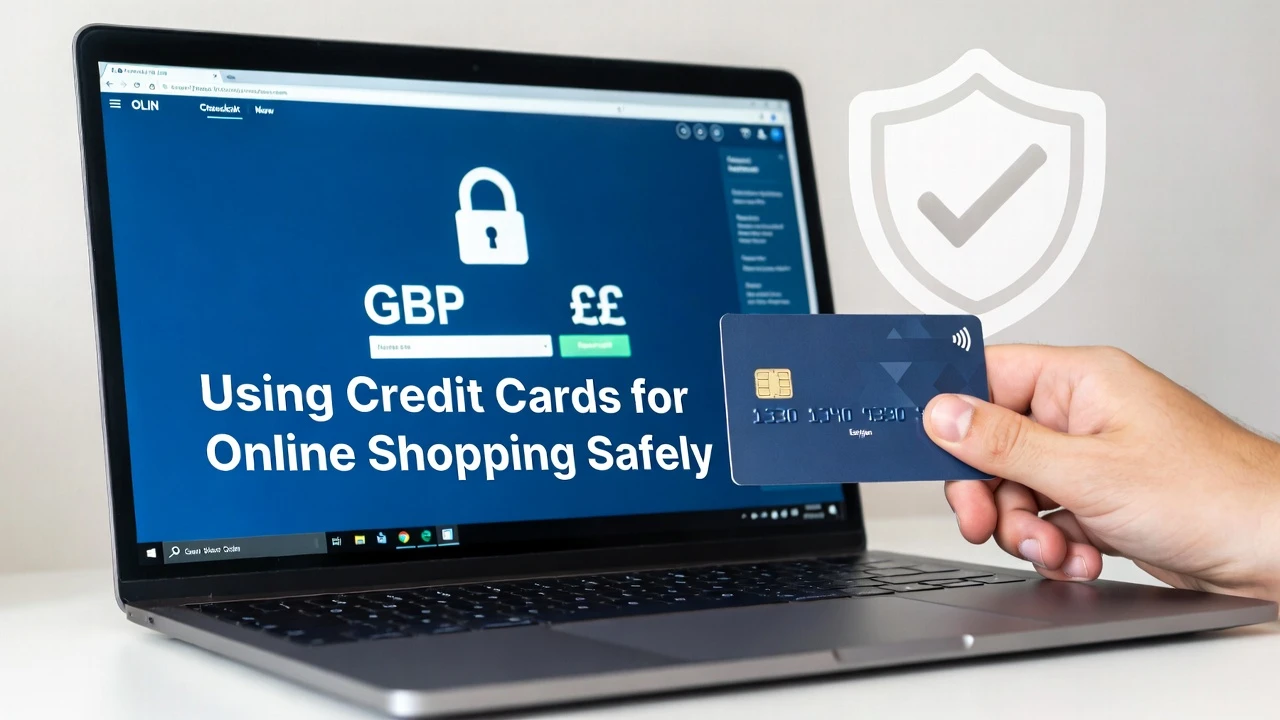
Online shopping is part of everyday life in the UK, from groceries to electronics and travel bookings. Credit cards are widely used for these purchases because they offer convenience and added protection. When used correctly, they can help reduce the risk of fraud and provide a safer payment method compared to some alternatives.
However, safety depends on how you use the card. Understanding secure payment practices, recognising trusted websites and knowing your rights as a UK cardholder can make a significant difference. Credit card providers operate under rules set by the Financial Conduct Authority, which aim to protect consumers and ensure transparency.
Why credit cards are safer for online shopping
Credit cards offer built-in protections that are particularly useful for online transactions. One of the most important is Section 75 protection under the Consumer Credit Act. This applies to purchases between £100 and £30,000 and allows you to claim a refund if something goes wrong, such as goods not arriving or being misrepresented.
In addition, many providers include fraud monitoring systems that detect unusual activity and may temporarily block suspicious transactions. This layer of protection can reduce financial risk if your card details are compromised.
How to shop safely online with a credit card
Using a credit card safely involves a few simple but important habits. Always check that the website uses secure encryption. A padlock symbol in the browser and a URL starting with “https” indicate a secure connection. loan-eligibility-checker.
Avoid saving your card details on unfamiliar websites. While it may be convenient, it increases the risk if the site is compromised. Instead, enter your details manually or use trusted payment gateways.
It is also a good idea to enable two-factor authentication where available. Many UK banks now require an additional verification step for online payments, adding another layer of security.
Common risks to watch for
Online fraud can take different forms. Phishing emails may try to trick you into entering card details on fake websites. Some scams imitate well-known retailers, making them harder to detect.
Public Wi-Fi networks can also pose a risk. Avoid entering card details when connected to unsecured networks, as data may be intercepted. Using a secure home or mobile connection is generally safer.
Monitoring your account regularly helps you identify any unauthorised transactions early. Quick action can limit potential losses. budget-planner.
Key safety practices at a glance
| Practice | Why It Matters | Risk If Ignored |
|---|---|---|
| Use secure websites (HTTPS) | Protects your payment data | Data could be intercepted |
| Avoid public Wi-Fi for payments | Reduces exposure to hackers | Higher risk of data theft |
| Enable transaction alerts | Detects suspicious activity early | Fraud may go unnoticed |
| Do not store card details widely | Limits exposure if a site is breached | Increased fraud risk |
| Check statements regularly | Helps identify unauthorised charges | Delayed response to fraud |
Understanding chargeback and refunds
In addition to Section 75 protection, credit cards may offer chargeback rights. Chargeback allows you to request a refund through your card provider if a transaction goes wrong, such as receiving faulty goods or not receiving an item at all.
Unlike Section 75, chargeback is not a legal requirement but is widely supported by card networks. It can apply to lower-value purchases and may provide an extra route for resolving disputes.
Practical UK example
Imagine you order a laptop online for £800 using a credit card, but the item never arrives. You contact the retailer but receive no response. In this situation, you may be able to claim a refund through Section 75 protection, as the purchase falls within the qualifying range.
If the purchase was under £100, you might still be able to request a chargeback through your card provider. Acting quickly and keeping records of communication can improve your chances of a successful claim.
Responsible usage habits
Using a credit card safely is not just about avoiding fraud. It also involves managing repayments. Always aim to pay your balance in full each month to avoid interest charges. This ensures that the convenience and protection benefits are not offset by borrowing costs.
Setting up transaction alerts and reviewing your monthly statement can help maintain control over your spending and identify any issues early.
Frequently Asked Questions
Is it safe to use a credit card for online shopping in the UK?
Yes, it is generally safe when used on secure websites. Credit cards offer protections such as fraud monitoring and Section 75, which can help recover funds if something goes wrong.
What is Section 75 protection?
Section 75 is a legal protection that allows you to claim a refund for purchases between £100 and £30,000 if the retailer fails to deliver or misrepresents the product.
Should I save my card details on shopping websites?
It is safer to avoid saving card details on unfamiliar sites. Using trusted platforms or entering details manually reduces the risk of data exposure.
Can I get my money back if I am scammed online?
In many cases, yes. You may be able to use Section 75 or chargeback to recover funds, depending on the transaction and circumstances.
Does online shopping affect my credit score?
Simply using your credit card for purchases does not affect your score. However, missed payments or high balances may impact your credit profile.