
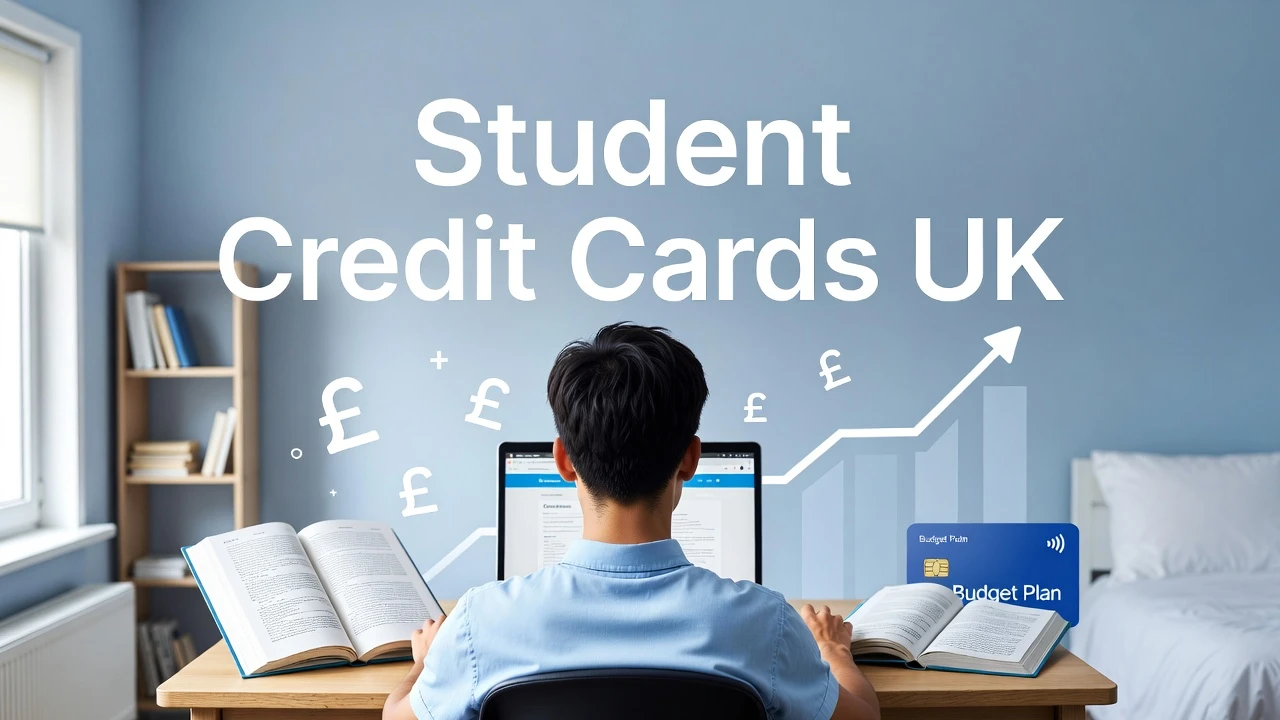
Student credit cards in the UK are designed for people who are studying at university or college and may not yet have a long credit history. These cards usually offer smaller credit limits and simplified eligibility requirements compared to standard credit cards. The aim is to give students an opportunity to learn how credit works while gradually building a positive financial record.
In the United Kingdom, credit card providers must follow rules set by the Financial Conduct Authority. These regulations require lenders to clearly explain interest rates, fees and repayment obligations. While student credit cards can provide flexibility, they are most effective when used responsibly and repaid on time each month.
How Student Credit Cards Work
A student credit card works in a similar way to any other credit card. You are given a credit limit, which is the maximum amount you can borrow. Each month, you receive a statement showing the purchases you have made, the minimum payment required, and the payment deadline.
Students can choose to repay the full balance or make the minimum payment. However, interest is charged on unpaid balances. For this reason, many financial guides recommend paying the full amount each month whenever possible. loan-eligibility-checker.
Lenders may review factors such as your age, student status, and income from part-time work or student loans when assessing an application. Because many students are new to credit, the limits are often lower than those offered on mainstream cards.
Typical Features of UK Student Credit Cards
Student credit cards often include features designed to encourage responsible spending. These may include spending alerts, low initial credit limits, and access to mobile banking tools.
Some cards also provide small rewards or cashback for everyday spending. However, these benefits tend to be modest compared with premium rewards cards. The focus is usually on credit building rather than earning perks.
Eligibility normally requires the applicant to be at least 18 years old and studying at a recognised UK educational institution. Proof of student status may be requested during the application process.
Benefits for Students
Using a credit card responsibly can help students build a credit history. This record may later support applications for financial products such as personal loans, car finance, or mortgages.
Another advantage is flexibility. A credit card can help cover unexpected expenses during term time, such as textbooks, travel, or emergency purchases. The key is to keep spending within a realistic budget and avoid relying on credit for everyday living costs.
Learning to manage repayments while studying can also improve financial awareness. Students who develop good habits early often find it easier to manage credit later in life.
Costs and Risks to Consider
Although student cards are easier to access, they still involve borrowing money. Interest rates on student cards may be higher than those on standard low-interest credit cards. If a balance is carried for several months, interest can accumulate quickly. budget-planner.
Late payments may also result in fees and could be recorded on your credit file. UK credit reference agencies such as Experian, Equifax, and TransUnion maintain these records, which lenders may review when assessing future applications.
For this reason, students should only borrow what they can realistically repay.
Key Features at a Glance
| Feature | What It Means | Why It Matters |
|---|---|---|
| Lower Credit Limits | Limits often start around a few hundred pounds | Helps prevent overspending |
| Credit Building | Payment activity reported to credit agencies | Can support future borrowing |
| Mobile Banking Tools | Apps help track spending and payments | Encourages better budgeting |
| Higher APR | Interest may be higher than standard cards | Carrying a balance can be costly |
| Basic Rewards | Some cards offer small cashback or points | Benefits are usually modest |
Tips for Responsible Use
Students can benefit most from a credit card by treating it as a payment tool rather than a long-term borrowing option. Paying the full statement balance each month avoids interest and demonstrates reliable financial behaviour.
Setting up a direct debit for at least the minimum payment can help avoid missed deadlines. It is also helpful to monitor your spending regularly through online banking or mobile apps.
Keeping the balance relatively low compared with the credit limit can also support a healthy credit profile.
When a Student Credit Card May Not Be Suitable
A student credit card may not be appropriate if you already struggle to manage a tight budget or rely on borrowing for essential living costs. In these situations, it may be better to focus on budgeting and saving rather than taking on additional credit.
Credit cards should be used carefully, particularly when income is limited. Understanding the terms before applying can help avoid financial stress later.
Frequently Asked Questions
Can international students get a credit card in the UK?
Some lenders may offer credit cards to international students who have a UK bank account and proof of address. Approval depends on the lender’s criteria and the applicant’s financial situation.
💡 Many UK credit unions also offer affordable options – check eligibility first.
What credit limit do student cards usually offer?
Limits are often lower than standard cards and may start between £250 and £1,000 depending on the provider and your financial profile.
Do student credit cards affect credit scores?
Yes. Responsible use, such as paying on time and maintaining low balances, can help build a positive credit history. Missed payments may have the opposite effect.
🏦 Building a credit history through a credit union loan or save-as-you-borrow product can also help.
Are student credit cards different from regular credit cards?
They function in the same way but usually have lower limits and simplified eligibility requirements. They are designed for people with limited credit experience.
Is it necessary to have a part-time job to apply?
Some lenders accept student loans or other income sources, but having a regular income may improve the chances of approval.