
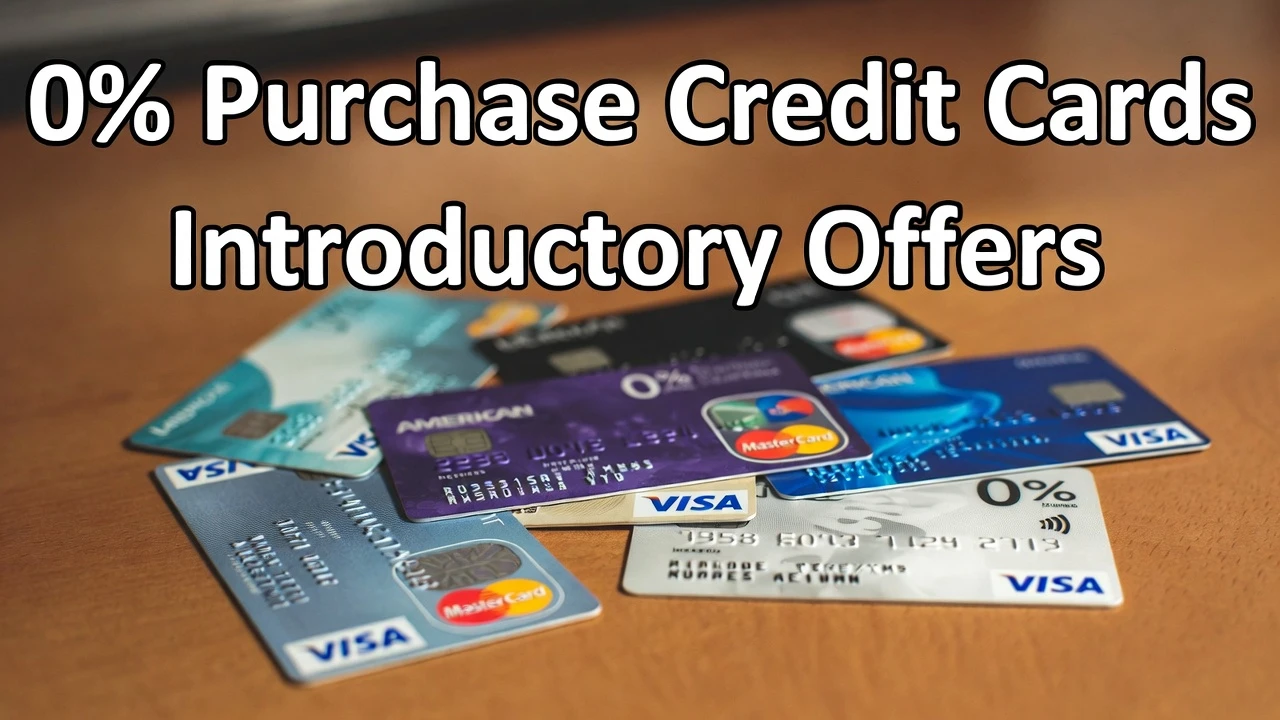
0% purchase credit card allows you to buy goods or services without paying interest for a fixed introductory period. In the UK, these offers are commonly used to spread the cost of larger purchases in GBP, such as furniture, home appliances, or travel bookings. The key point is that the 0% rate is temporary. After it ends, the standard Annual Percentage Rate (APR) applies to any remaining balance.
Understanding how introductory offers work can help you decide whether this type of credit card suits your situation. These cards are regulated by the Financial Conduct Authority, meaning lenders must clearly explain interest rates, fees, and repayment terms before you agree to the credit agreement.
How 0% Purchase Credit Cards Work
When you are approved for a 0% purchase credit card, you are given a credit limit based on your income, credit history, and overall financial profile. During the promotional period, purchases made on the card do not accrue interest.
However, you must still:
Pay at least the minimum payment each month
Stay within your agreed credit limit
Avoid missing payment deadlines
If you fail to meet these conditions, the lender may withdraw the promotional rate. Once the introductory period ends, interest is charged on any remaining balance at the card’s standard variable APR.
Understanding the Introductory Period
Introductory offers in the UK typically last between 6 and 24 months, though the exact term depends on the provider and your credit profile. The length of the offer is important, but so is what happens afterwards.
Before choosing a card, consider:
How long the 0% period lasts
What the standard purchase APR will be
Whether the offer applies only to new purchases
If there are any annual or account fees
Some cards offer longer 0% periods but come with higher standard APRs later. Others may offer shorter promotional terms but lower long-term interest rates.
When a 0% Purchase Card May Be Suitable
This type of card can be useful if you are planning a specific purchase and already know how you will repay it within the interest-free period. For example, if you buy a £1,200 sofa and repay £100 per month, you could clear the balance within 12 months without paying interest, provided the promotional period covers that timeframe. Credit Card Eligibility Checker.
It may also suit people who want predictable repayment planning without applying for a personal loan. However, it requires discipline. If you continue spending on the card without a repayment plan, the balance can grow quickly once interest applies.
Comparing 0% Purchase Cards
Below is a simple comparison table to help understand key differences between typical 0% purchase credit cards in the UK.
| Adds to the overall borrowing cost | What It Means | Why It Matters |
|---|---|---|
| 0% Purchase Period | Length of interest-free term | Longer periods give more time to repay |
| Standard APR | Interest rate after promo ends | Affects cost if balance remains |
| Credit Limit | Maximum borrowing amount | Determines how much you can spend |
| Minimum Payment | Smallest required monthly repayment | Missing this can end the offer |
| Fees | Annual or late fees | Adds to overall borrowing cost |
This structure helps you focus on total cost rather than just the headline 0% offer.
Risks to Consider
A 0% purchase credit card does not remove the obligation to repay. If you only pay the minimum each month, you may still owe a large balance when the promotional rate ends. Interest will then apply to the remaining amount.
Another risk is using the card for additional spending beyond the original purchase. This can make repayment more difficult and increase your credit utilisation ratio, which may affect your credit score.
Late payments can also result in fees and may be recorded on your credit file with UK credit reference agencies such as Experian, Equifax and TransUnion.
How It Affects Your Credit Profile
Applying for a 0% purchase credit card usually involves a hard credit search. This is recorded on your credit file. Multiple applications within a short period may reduce your chances of approval elsewhere.
If managed responsibly, however, making payments on time and keeping balances low relative to your limit can support a positive credit history over time.
Practical UK Example
Imagine you purchase a laptop for £900 using a 0% purchase card with a 15-month introductory offer. If you repay £60 per month, you would clear the balance in exactly 15 months and avoid interest. But if you repay only £30 per month, you would still owe £450 when the 0% period ends, and interest would begin to apply to that remaining balance.
Frequently Asked Questions
What happens when the 0% period ends?
Once the introductory period finishes, the remaining balance is charged at the card’s standard variable APR. This rate is clearly stated in your credit agreement and the summary box you received when you opened the account.
Tip: mark the end date in your calendar and plan to clear the balance before then.
Do I still have to make monthly payments during a 0% offer?
Yes, absolutely. You must make at least the minimum payment every month. Missing a payment can cancel the promotional rate, trigger late fees, and harm your credit score.
Is a 0% purchase card better than a loan?
It depends on your situation. A 0% card may cost less if you repay the full amount within the promotional period. A personal loan may offer fixed repayments and longer-term certainty, which can help with budgeting.
Can I get a 0% purchase card with bad credit?
Approval depends on your credit history, income, and overall profile. Applicants with lower credit scores may still be accepted, but they are often offered shorter 0% periods, lower credit limits, or higher standard APRs. It’s worth checking eligibility using a soft-search tool first.
Does using a 0% purchase card affect my credit score?
Yes, it can. Responsible use — keeping balances low and paying on time — may support your credit profile. However, missed payments, high utilisation, or multiple applications in a short period can negatively impact your score.