

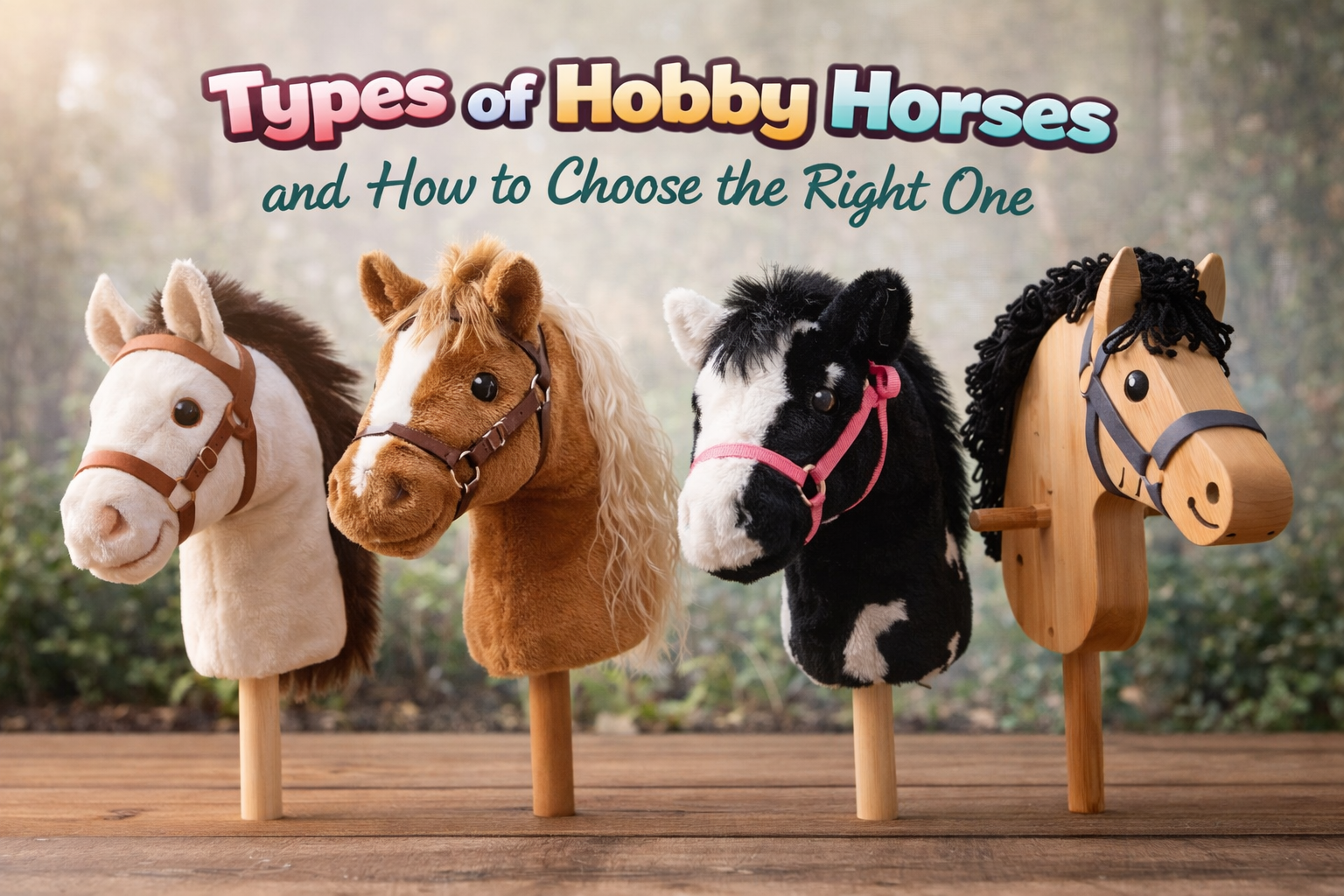
A hobby horse is a classic toy that has entertained children for generations while recently gaining attention as part of a growing sport known as hobby horsing. Traditionally, it consists of a horse-shaped head attached to a stick, allowing riders to simulate horseback riding through imaginative play. Today, hobby horses are no longer seen as just toys—they are also used in competitions, creative activities, and fitness routines.
The renewed popularity of hobby horses comes from their ability to combine fun, exercise, and creativity. Both children and adults are discovering the joy of this simple yet engaging activity.
The History of the Hobby Horse
The hobby horse dates back several centuries and was originally a handmade toy designed to inspire imaginative play. Early versions were often crafted from wood or fabric and decorated to resemble real horses. Children would pretend to ride them through fields and homes, creating their own adventures.
Over time, hobby horsing evolved into more than just pretend play. In some countries, organized hobby horse competitions now include jumping courses and dressage-style routines. This transformation has helped the hobby horse move from a traditional toy to a recognized recreational activity.
Types of Hobby Horses
Traditional Stick Hobby Horses
These are the most recognizable type. They feature a simple horse head mounted on a sturdy stick and are ideal for younger children. Lightweight and easy to handle, they are perfect for beginners.
Plush Hobby Horses
Plush hobby horses are made with soft materials that give them a realistic and cuddly appearance. Many include detailed features such as yarn manes, embroidered eyes, and decorative bridles, making them popular among hobby horse enthusiasts.
Wooden Hobby Horses
Known for their durability, wooden hobby horses often have a timeless design. They are built to last and can sometimes become keepsakes passed down through generations.
Handmade vs. Store-Bought Hobby Horses
Handmade hobby horses often stand out for their craftsmanship and customization. Store-bought options, however, provide convenience and consistent quality, making them a practical choice for many families.
Competition Hobby Horses
Designed for performance, competition hobby horses are carefully balanced and crafted to look realistic. They are commonly used in hobby horsing events where participants demonstrate agility and coordination.
Key Features to Look for in a Hobby Horse
Size and Height
Choosing the right size ensures comfort and safety. A hobby horse should match the rider’s height so it is easy to carry and ride without strain.
Material and Durability
Look for strong materials that can withstand active play. Whether plush or wooden, the construction should feel secure and reliable.
Safety Features
Smooth edges, non-toxic materials, and sturdy assembly are essential—especially for younger riders. Safety should always be a top priority.
Design and Realistic Appearance
Many riders enjoy hobby horses that resemble real horses. Details such as color, mane style, and accessories can enhance the overall experience.
How to Choose the Right Hobby Horse
Consider the Rider’s Age and Skill Level
Younger children may benefit from lightweight models, while older riders might prefer more detailed designs suited for advanced activities.
Choose the Right Weight
A hobby horse should be easy to hold and maneuver. Heavier models may look impressive but can be tiring for extended play.
Set Your Budget
Hobby horses come in a wide price range. Decide on a budget that balances affordability with quality to ensure long-term value.
Check Quality and Comfort
Inspect the stitching, structure, and grip before purchasing. A well-made hobby horse will provide a more enjoyable and lasting experience.
Benefits of Hobby Horsing
Encourages Physical Activity
Hobby horsing keeps riders moving through running, jumping, and practicing routines. It’s a fun way to stay active without feeling like exercise.
Boosts Creativity and Imagination
Riders often create stories, competitions, and challenges, helping develop creativity and problem-solving skills.
Improves Balance and Coordination
Maintaining rhythm and posture while riding strengthens coordination and motor skills.
Builds Social Skills
Group activities and events allow participants to connect with others who share similar interests, fostering teamwork and friendships.
Hobby Horsing as a Growing Trend
Hobby horsing has gained visibility through online communities and social platforms, where riders showcase their skills and creativity. Competitions and local clubs continue to attract participants, proving that this activity appeals to a wide audience.
Its blend of nostalgia and modern creativity makes hobby horsing unique. What was once seen as child’s play is now appreciated as a hobby that promotes fitness, expression, and community.
Tips for Beginners
How to Start Hobby Horsing
Begin with a comfortable hobby horse and practice simple movements such as walking, trotting, and small jumps. Confidence builds quickly with regular practice.
Basic Moves to Learn
Focus on posture, rhythm, and control. Setting up small obstacle courses can make learning more enjoyable.
Practicing Safely
Always choose a safe environment with plenty of space. Wearing supportive footwear can help prevent slips and falls.
Final Thoughts
A hobby horse is more than just a toy—it is a gateway to creativity, physical activity, and personal expression. With various types available, finding the right one depends on the rider’s needs, preferences, and experience level. Whether used for imaginative play or competitive sport, hobby horses continue to bring joy to people of all ages.
As this timeless activity grows in popularity, it proves that sometimes the simplest ideas can deliver the greatest fun. Choosing the right hobby horse ensures an experience that is both exciting and rewarding.
FAQ
What is a hobby horse used for?
A hobby horse is mainly used for imaginative play, exercise, and recreational activities. It allows riders to mimic real horseback riding while improving balance, coordination, and creativity.
What are the different types of hobby horses?
The most common types include traditional stick hobby horses, plush hobby horses, wooden hobby horses, handmade models, and competition hobby horses. Each type varies in design, durability, and purpose.
How do I choose the right hobby horse?
Choose a hobby horse based on the rider’s age, height, skill level, and comfort. Look for durable materials, safe construction, and a lightweight design that is easy to handle.
Are hobby horses suitable for adults?
Yes, hobby horsing has grown into a popular activity for both kids and adults. Many adults participate in hobby horse competitions and enjoy it as a creative way to stay active.
Is hobby horsing considered a real sport?
Hobby horsing is recognized as a growing recreational sport in many parts of the world. It often includes jumping courses and dressage-style routines, requiring agility, practice, and physical effort.